
















Karnataka govt reverses 2022 Hijab ban, allows all religious symbols in classroom
text_fields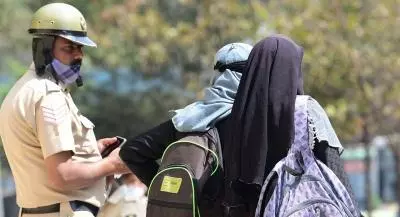

New Delhi: The Karnataka government has officially withdrawn the controversial February 2022 order issued by the then Bharatiya Janata Party government that had permitted educational institutions to prohibit hijabs inside classrooms.
Under a fresh order issued on May 13, students are now allowed to wear religious and customary symbols along with prescribed uniforms in schools and colleges.
The new directive reportedly permits “limited traditional and practice-based symbols” such as hijab, sacred thread, rudraksha, shivadhara and sharavastra in addition to uniforms. The order applies to government schools and colleges, aided institutions and private educational institutions functioning under the state’s School Education Department, the Wire reported.
The government clarified that uniforms would continue to remain compulsory, but the permitted symbols could be worn as supplementary items provided they do not interfere with discipline, safety, cleanliness or identification. It also stated that no student should be denied entry or compelled either to wear or remove such symbols.
Educational institutions have reportedly been instructed to implement the policy in accordance with constitutional principles including equality, dignity, fraternity, secularism, scientific temper, rationality and the right to education.
The decision by the Indian National Congress government came three years after it assumed power in the state. Karnataka School Education and Literacy Minister Madhu Bangarappa announced the revised order at a press conference alongside Health Minister Dinesh Gundu Rao and Shivajinagar MLA Rizwan Arshad. A clarification note outlining the decision was later issued by the government.
The hijab ban had remained controversial since its introduction and was widely criticised for affecting Muslim women’s access to education. Students reportedly faced discrimination, exclusion from classrooms and examinations, and mental distress due to the enforcement of dress-code rules.
The matter resurfaced during the Karnataka Common Entrance Test (KCET) on May 1, when several students were allegedly asked to remove hijabs and sacred threads before entering examination halls. According to reports, Minister Dinesh Gundu Rao described the incident as “inhuman”.
The controversy originally began in December 2021 in Udupi after Muslim students were prevented from attending classes while wearing hijabs. In March 2022, the Karnataka High Court upheld the ban, ruling that the hijab was not an essential religious practice in Islam. The matter later reached the Supreme Court, which delivered a split verdict.
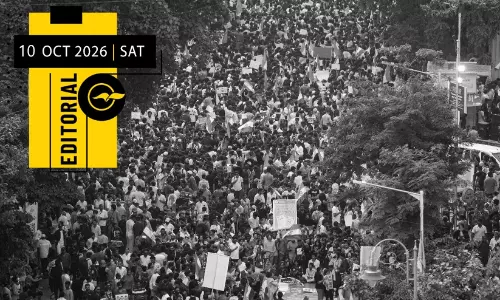
The issue subsequently triggered protests and counter-protests across Karnataka, leading to temporary closures of schools and colleges. Reports at the time indicated that many Muslim students felt alienated and betrayed by educational institutions, the government and classmates who participated in demonstrations wearing saffron shawls in opposition to hijab-wearing students.
The previous BJP government had defended the restrictions by arguing that uniforms and bans on certain clothing items were necessary to preserve equality, integrity and public order.
Muslim students, however, had argued that the restrictions caused severe mental stress, disrupted their education and subjected them to discrimination. Several students challenged the order before the Karnataka High Court and also approached the National Human Rights Commission, alleging violations of their fundamental rights.
The Karnataka government has now formally withdrawn Government Order No. 14 dated February 5, 2022, citing provisions of the Karnataka Education Act, 1983, the Karnataka Educational Institutions Rules, 1995 and constitutional principles.