















Delhi court orders immediate release of 14 JNU students arrested over protest
text_fields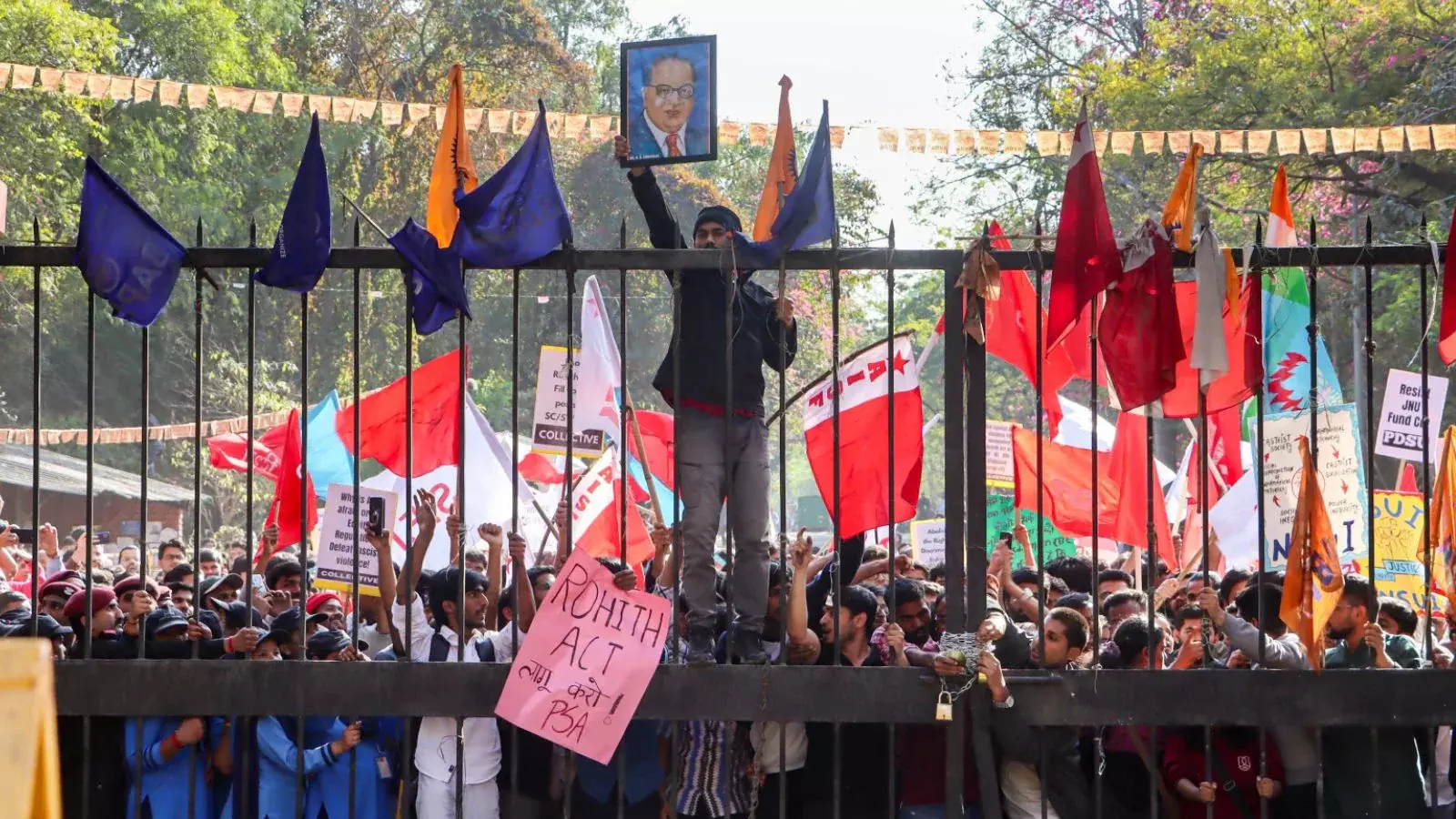

A Delhi court on Sunday ordered the immediate release of 14 students from Jawaharlal Nehru University (JNU) who were arrested on Thursday while attempting to march to the Union Ministry of Education, PTI reported.
The students had organised the march demanding the resignation of Vice Chancellor Santishree Dhulipudi Pandit over remarks they alleged were casteist. More than 50 students were reportedly detained during the protest.
Although a magistrate's court granted the 14 students bail on Friday, the court had directed that they be released only after verification of their permanent addresses, according to Bar and Bench. The court observed that several students had allegedly concealed or misstated their identities and had not nominated family members or friends to be informed about their arrests.
On Sunday, Duty Magistrate Ravi of the Patiala House Court heard a petition filed by the students challenging the earlier bail condition, The Indian Express reported.

In his order, Ravi noted that if outstation address verification were allowed to dictate continued incarceration without clear time limits or alternative safeguards, the grant of bail could become “illusory”. He observed that once a court reaches a “considered conclusion that the accused deserves bail on merits”, the verification of addresses and surety bonds — though important — is primarily meant to secure the effectiveness of the bail order and ensure future compliance.
The judge said such requirements are procedural in nature and “cannot be allowed to operate in such a manner that the accused continue to remain in custody for an unduly long period for reasons not attributable to them”. He modified the earlier bail conditions and directed that address verification would not be a precondition for release.
The protests stemmed from remarks made by Pandit in an interview with The Sunday Guardian, in which she said that progress for Dalits was not possible “by being permanently a victim of playing the victim card”. Students demanded her resignation over the statement.
Protesters also raised objections to the rustication of five JNU Students’ Union office-bearers earlier this month for allegedly damaging surveillance equipment at the Ambedkar Library. In addition, they called for the enactment of a Rohith Act — a proposed central law named after University of Hyderabad PhD scholar Rohith Vemula — aimed at preventing caste-based discrimination on campuses.

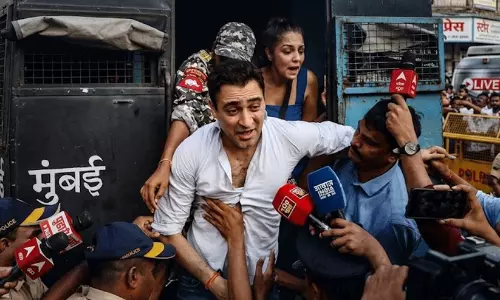
During the February 23 march, clashes broke out between students and police. Police alleged that officers were assaulted by demonstrators, while students accused authorities of using excessive force. Several protesters claimed they were injured during the confrontation, PTI reported.
Police subsequently registered a first information report under provisions of the Bharatiya Nyaya Sanhita relating to voluntarily obstructing a public servant, voluntarily causing hurt to deter a public servant from performing official duties, and assault or use of criminal force to prevent a public servant from carrying out official work.
Among those arrested were three office-bearers of the JNU Students’ Association — President Aditi Mishra, Vice President Gopika and Joint Secretary Danis — as well as former union president Nitish Kumar.