













Out of seething resentment, woman says she would kill Netanyahu, Trump if permitted
text_fields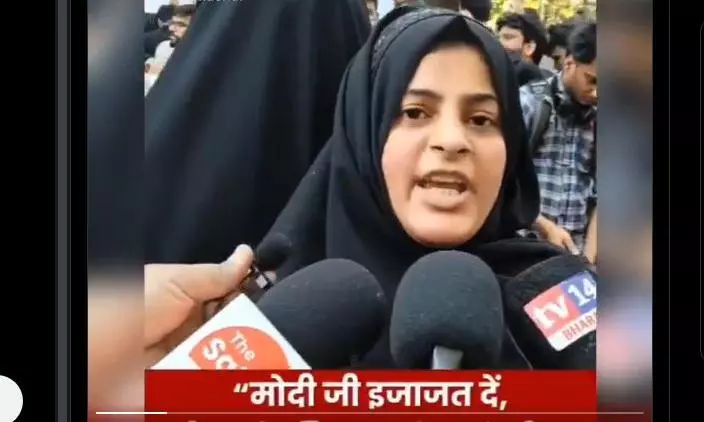

The targeted annihilation of Iran’s Supreme Leader—a pre-eminent figurehead for the global Shia collective—via a calculated bombardment of salvos by the Zionist coalition of the United States and Israel has unleashed a global barrage of diplomatic and civil repercussions.
Amid the swelling crowds in Seelampur, a video clip that has since gone viral on social media captured a young woman, visibly agitated and incandescent with rage.
In the footage, recorded while she was being interviewed by a journalist during the protest, she declared in a raised and unflinching voice that she feared no one, and asserted that if Prime Minister Narendra Modi were to grant her permission, she would travel to Iran and personally assassinate Israeli Prime Minister Benjamin Netanyahu and US President Donald Trump.
Her rhetoric, steeped in the vocabulary of historical grievance, underscored a narrative of systemic marginalisation, as she vociferously claimed her community had been "struggling for years" under the weight of external oppression.
This individual outburst mirrored the broader sentiment at Jantar Mantar, where members of the All India Shia Council congregated in funereal black to denounce the assassination as a grievous affront to their spiritual and political identity.
Her words, uttered in a febrile atmosphere thick with indignation, appeared to distil the anguish and resentment felt by sections of the community, as she lamented that her people had been struggling for years, and as she alluded to what she described as a protracted history of marginalisation and suffering.
The rhetoric, incendiary in tone and unrestrained in its tenor, has prompted calls for restraint from civil society observers, even as it underscores the emotive potency of the developments in Iran.
The protests in Delhi followed circulating reports that Khamenei had been killed in a coordinated strike, a claim that has yet to be independently verified by multiple international agencies, but which nevertheless galvanised demonstrators into public displays of mourning and defiance.
At Jantar Mantar, members of the All India Shia Council gathered beneath sombre banners, while clerics addressed the assemblage from an elevated platform and invoked themes of martyrdom, sovereignty and resistance.
As slogans condemning America and Netanyahu reverberated through the protest site, the episode served as a stark reminder that conflicts in West Asia possess an uncanny capacity to inflame passions far beyond their immediate theatres, and that the assassination of a religious and political figure of such stature can ignite volatile expressions of solidarity and fury in distant capitals.