












Assault on journalists in Delhi spotlights shrinking space for media in India
text_fields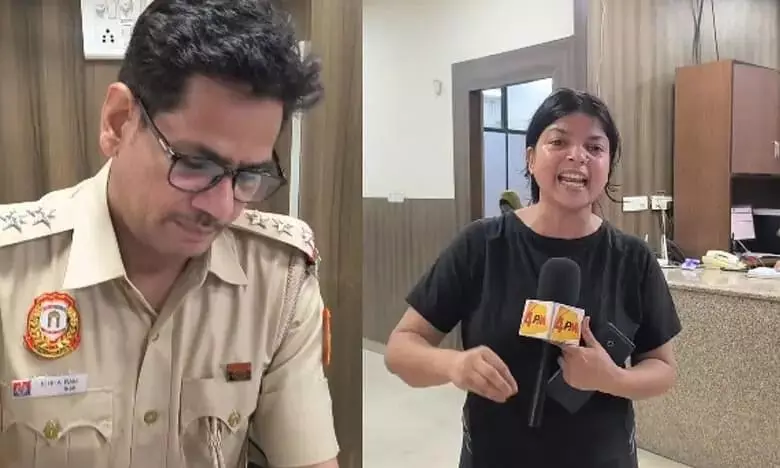

The alleged assault on two women journalists at a Delhi police station has reignited debate over the safety, dignity and professional autonomy of reporters in India, with particular concern for Muslim journalists who face repeated targeting by state and non-state actors.
Shaheen Khan and Nafisa Khan, freelance journalists working for 4PM News Network, say they were detained and physically assaulted by Delhi Police personnel inside Saket police station on 3 September while covering the inauguration of a new wing at Max Hospital in Saket, an event attended by Delhi Chief Minister Rekha Gupta and Union Home Minister Amit Shah. The journalists allege they were dragged out of the venue by women police officers, taken to the nearby police station and beaten there, with the abuse intensifying after the officers learned they were Muslim.
Delhi Police has denied the allegations, calling them “factually incorrect” and “misleading”, and said the journalists were removed from the event following a dispute over illegal parking and obstruction of a VVIP route before being brought to the station for questioning. No first information report has been registered against the police personnel involved so far, even as several press bodies, including the Editors Guild of India and the Press Club of India, condemned the incident and demanded an independent probe and punitive action.
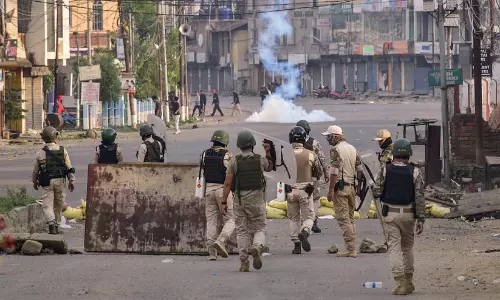
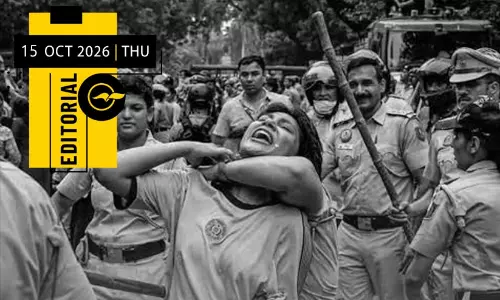
The Saket case comes amid wider criticism of police conduct during public protests, including the NEET paper leak agitation at Jantar Mantar, and has drawn sharp reactions from opposition leaders. Trinamool Congress MP Mahua Moitra, among others, accused the Delhi Police of abusing and assaulting the journalists for questioning the government and warned that those responsible must be held accountable.
Rights groups and press freedom advocates say the incident fits a broader pattern of targeted state action, legal harassment and physical intimidation against Muslim journalists in India. Mohammed Zubair, co-founder of Alt News, was arrested by Delhi Police over a 2018 social media post after his work repeatedly exposed hate speech by Hindu nationalist groups, drawing condemnation from international press freedom organisations. Siddique Kappan, a reporter for Malayalam portals, was arrested by Uttar Pradesh Police under stringent anti-terror and sedition laws while travelling to cover the Hathras sexual assault case and spent more than two years in detention before being granted bail.
In Jammu and Kashmir, journalists Asif Sultan and Sajad Gul have been repeatedly booked under laws such as the Unlawful Activities (Prevention) Act and the Public Safety Act over critical reporting or social media posts on local security operations. Reporters covering events organised by Hindu nationalist groups have said they were singled out, physically accosted and forced to disclose their religious identity. Shahid Tantray, photo editor at The Caravan, was beaten by a mob while reporting on communal violence in Delhi in 2020 after attackers demanded his identity card and learned his faith.
Muslim women journalists critical of government policies have also been subjected to coordinated online abuse, including doxxing, deepfakes, trolling and death threats. High-profile figures such as columnist Rana Ayyub and Arfa Khanum Sherwani have repeatedly faced such campaigns, while fabricated online “auction” applications have been used to degrade and silence several Muslim women reporters.
Independent surveys and international reports suggest Muslims remain severely under-represented in Indian newsrooms, with one study putting their share at around 3 per cent. Critics argue that mainstream media has increasingly aligned with the Bharatiya Janata Party and Hindutva forces, leaving independent journalism, particularly by Muslims, a high-risk activity.
Beyond community-specific targeting, Indian journalists face arbitrary arrests, digital censorship, physical assaults and legal harassment under strict laws. Section 152 of the Bharatiya Nyaya Sanhita is increasingly used to prosecute independent editors and critics, while the government has invoked the Information Technology Act to force platforms to restrict or remove critical news reports and social media posts. Reporters covering street protests or public events frequently face beatings and detention by police.
Independent bodies such as the Press Club of India regularly protest such acts and demand action against abusive officials, but journalists say little changes in practice. India has slipped six places to rank 157 out of 180 countries in the 2026 World Press Freedom Index, with Reporters Without Borders highlighting growing legal pressure, judicial harassment and the expanded use of national security laws to restrain journalists. According to RSF, press freedom in India has fallen to its lowest level in the 25-year history of the index, a development described by critics as a national shame.