







US election: those told they don't belong are now helping shape America
text_fields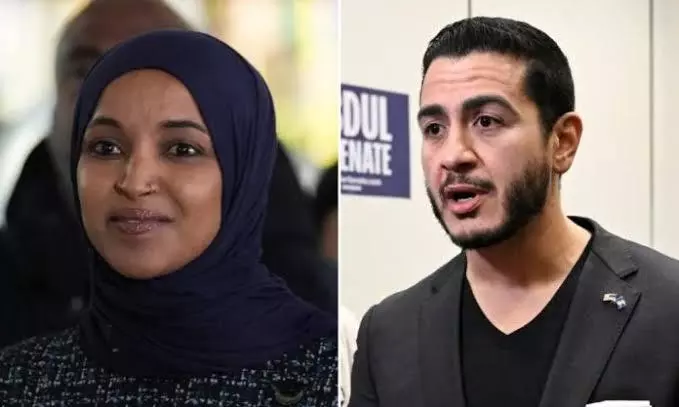
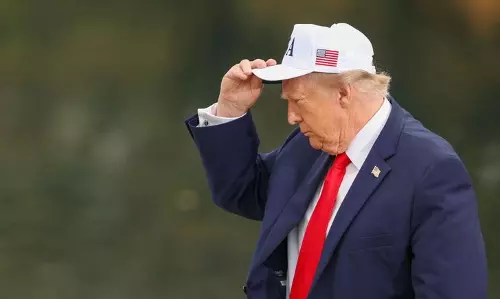
For years, Donald Trump and his MAGA movement have sought to portray immigrants and religious minorities as outsiders to American society. Few communities have experienced this rhetoric as relentlessly as Somali Americans, particularly in Minnesota.
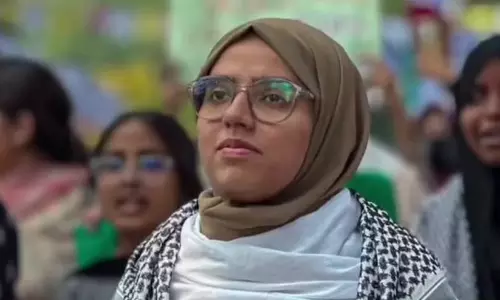
They have been vilified, subjected to racist and Islamophobic attacks, and told to "go back" where they came from. Their loyalty and belonging have repeatedly been questioned, despite the fact that they are Americans who have built lives, raised families and contributed to their communities.
And how did America respond?
By electing and re-electing Somali Americans to public office.
Ilhan Omar won a fifth term in the US House of Representatives. Abdi Daisane made history by becoming the first Somali American state legislator from the St. Cloud area in Minnesota. Somali American legislators Omar Fateh and Zaynab Mohamed retained their state Senate seats, while several others secured further terms in the Minnesota and Ohio legislatures.
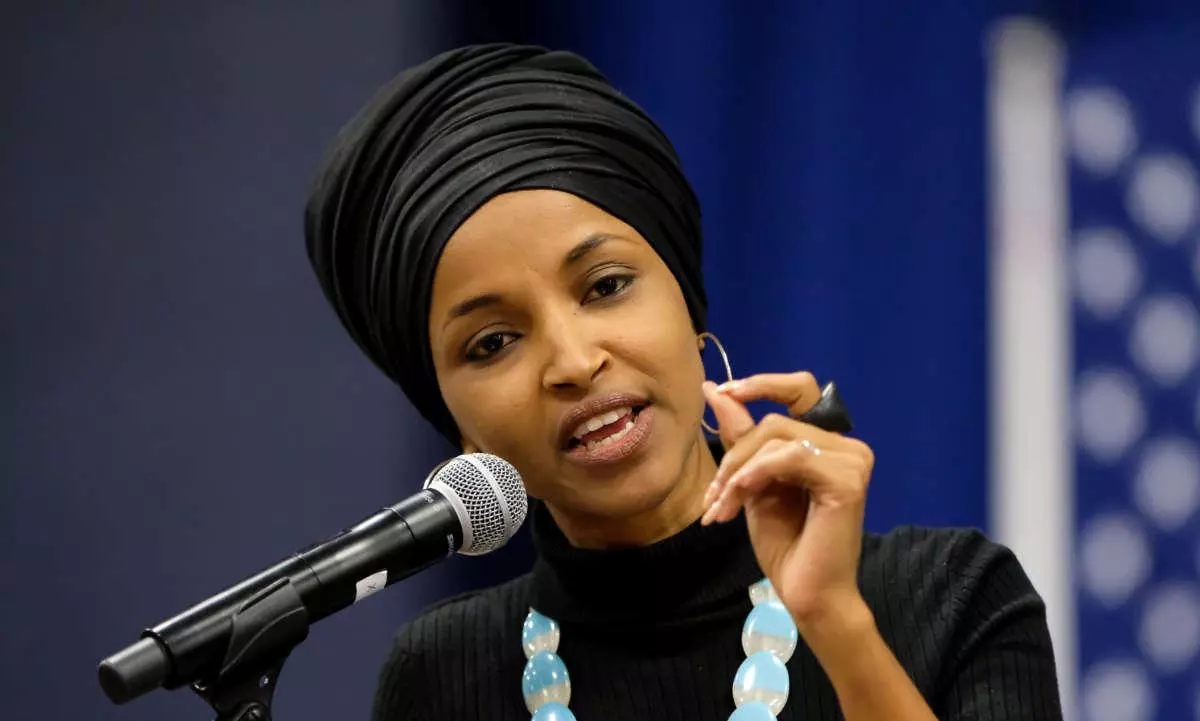
These victories are more than electoral successes. They are a testament to a community that refused to be intimidated, silenced or excluded. The children of refugees and immigrants are not outsiders to the American story. They are part of it.
The wider election results reinforced that message.
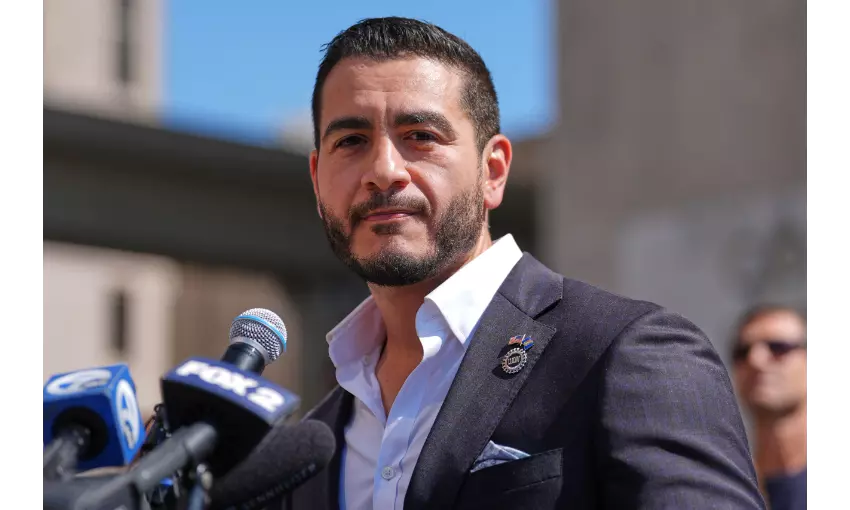
Abdul El-Sayed became the first Muslim elected to the United States Senate, winning in Michigan. In New York, Zohran Mamdani's election as mayor had already demonstrated the possibilities of Muslim political participation in one of the world's most prominent cities. James Talarico's victory in Texas also offered a different understanding of the relationship between religion and politics.
Talarico, a Christian and Presbyterian seminarian, has spoken about the common ground between religious traditions. "Christians and Muslims and Jews all worship the same God," he said. Muslims, after all, revere Jesus as one of God's great messengers, alongside Moses and Abraham.
His message challenges the notion that religious identity must become a dividing line in public life. Religious differences need not prevent mutual respect or solidarity.
These victories are particularly significant in a political climate in which Muslim identity has too often been treated as a liability. They demonstrate that democratic participation cannot legitimately be conditioned on religion, ethnicity or ancestry.
But representation is not the same as transformation.
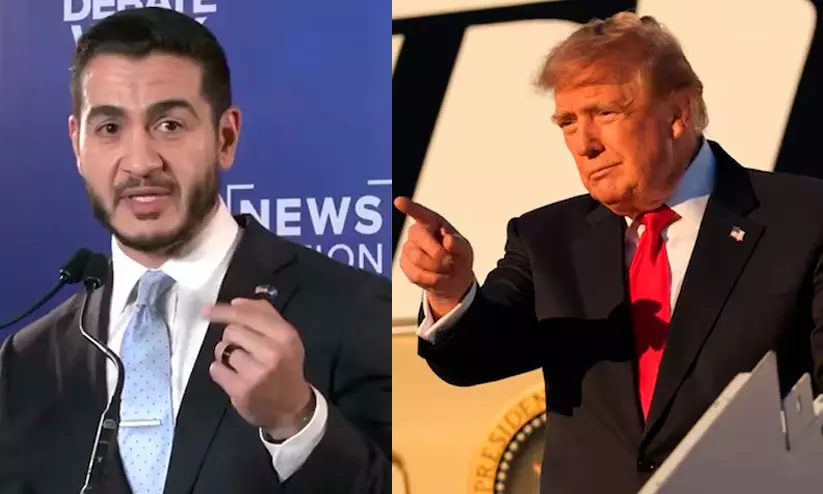
Trump did not invent America's economic insecurity, political alienation or distrust of institutions. Nor did he invent the expansion of presidential power and the weakening of constitutional restraints. He pushed these tendencies to disturbing extremes, but they predated his presidency.
Democrats would be mistaken to interpret their electoral gains simply as an invitation to restore the pre-Trump order. They must address the economic and institutional conditions that helped make his politics possible.
There is also a question of democratic consistency. A country that celebrates freedom of expression cannot defend it only when the opinions expressed are popular. Criticism of Israeli government policies and advocacy for Palestinian rights cannot automatically be equated with antisemitism. Antisemitism must be confronted, but so must anti-Muslim prejudice and the dehumanization of Palestinians.
These principles cannot depend on political convenience.
There are lessons here for democracies everywhere, including India. Religious pluralism is not a concession to minorities. It is an essential measure of a democracy's commitment to equality. A democracy cannot claim to protect everyone while making some citizens feel that their belonging is conditional.
The Somali American experience offers a particularly powerful reminder. A community repeatedly told that it does not belong has responded by participating, organizing, voting and winning.
You can question their identity. You can attack their faith. But you cannot extinguish their determination to participate, serve and lead.
The ultimate measure of these elections will be what those elected accomplish. Electoral victories alone will not dismantle racism, Islamophobia or economic inequality.
But they have demonstrated that political exclusion is not inevitable and that communities once treated as outsiders can become the people entrusted with public responsibility.
Those who were told to go back have, instead, moved forward—and taken their place in shaping America's future.