


Visa hurdles rise as US cracks down on international students
text_fields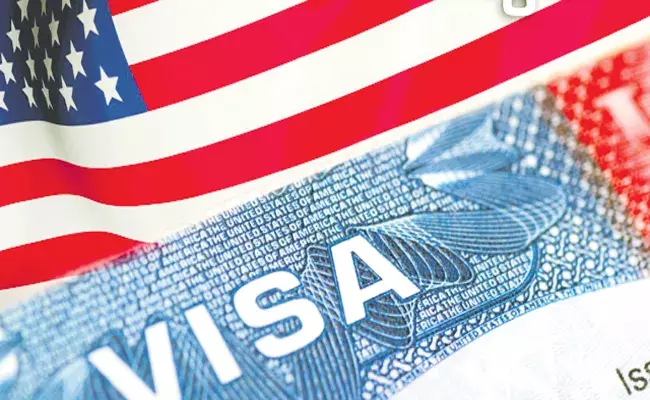

New Delhi: The United States government has tightened the rules for granting and renewing student visas, introducing stricter scrutiny of applicants’ backgrounds, ideological leanings and immigration history. Backed by fresh policy guidance from the US Citizenship and Immigration Services (USCIS) and a proposed regulation under the Trump administration, the move is expected to make it more difficult for international students, exchange visitors and foreign journalists to study, work or report from the country.
According to the new USCIS manual, officers have been instructed to thoroughly examine applicants’ conduct, immigration history, family ties and any association with anti-American or terrorist ideologies. The updated guidance specifies that any endorsement, promotion or support of anti-American or antisemitic ideologies, or links to terrorist organisations, could result in a visa being denied or revoked. Officials have also been directed to apply discretionary analysis, weighing both positive and negative factors, before approving visa applications.
Alongside this, a Trump-era proposal is seeking to introduce fixed durations for non-immigrant visas. Under the plan, F visas for international students and J visas for cultural exchange visitors would be capped at four years, while I visas for journalists would be limited to 240 days. For Chinese and Hong Kong passport holders, journalist visas could be restricted to just 90 days. At present, such visas remain valid for the length of an academic programme or US-based employment, offering holders greater flexibility. Should the regulation come into force, students, researchers, cultural workers and foreign journalists would have to apply for extensions to stay beyond the fixed terms, creating additional hurdles.
The United States currently hosts around 1.6 million international students on F visas, 3,55,000 exchange visitors on J visas and 13,000 media professionals on I visas. The Trump administration has defended the move, arguing that fixed terms are necessary to better monitor and oversee visa holders while they remain in the country.
This tightening of rules comes amid a broader Trump-led immigration crackdown. In recent years, US authorities have revoked more than 6,000 student visas for overstays and violations, while also subjecting H-1B visas to heightened scrutiny, branding the programme a scam for allegedly taking away American jobs. Officials have additionally resumed neighbourhood visits to check the “residency, moral character and commitment to American ideals” of citizenship applicants.
Immigration watchdogs and education groups, including NAFSA, which represents 4,300 global institutions, have repeatedly opposed such proposals. They warn that the measures could harm America’s reputation as a leading global education hub, making it harder to attract students and professionals from abroad.