



















UN agency, Oman plan evacuation of stranded ships and 11,000 seafarers in Strait of Hormuz
text_fields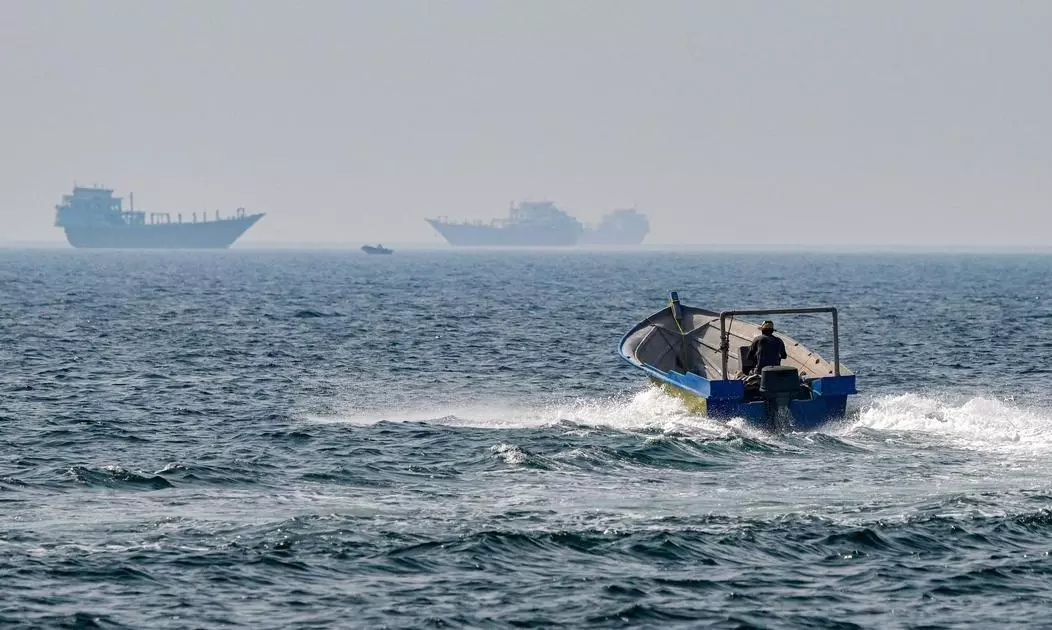

The United Nations’ International Maritime Organization (IMO) and Oman have drawn up a plan to evacuate ships and more than 11,000 seafarers stranded in the Strait of Hormuz, as maritime traffic through the strategic waterway continues to recover amid peace talks.
IMO Secretary-General Arsenio Dominguez said the operation will be carried out in close coordination with Iran, Oman, other coastal states, the United States and the maritime industry. He said the necessary safety guarantees have been secured and navigation conditions have been thoroughly verified to support the evacuation.
According to an Omani defence ministry letter cited by the IMO, the plan provides vessels with temporary maritime corridors along specified coordinates. The ministry said the traditional route-management system is currently unsafe because of elevated collision risks, and ships leaving the strait may use two temporary routes instead.
Vessels assigned to the evacuation groups will be contacted individually and given further instructions on departure schedules through IMO-coordinated channels, the letter said. Oman and the IMO have adopted a phased approach based on vessel categories to manage the operation safely.
The Strait of Hormuz, which connects the Gulf with the Arabian Sea, was effectively blocked for much of the conflict that began on February 28, triggering concern over global energy supplies. Traffic through the waterway has risen in the past week, with shipping intelligence agencies reporting record vessel movement as ceasefire and peace talks advance.
Last week, the United States and Iran held an initial round of talks in Switzerland aimed at reaching a final peace deal. Mediators Pakistan and Qatar said the two sides would establish a communication channel to avoid incidents and miscommunication and ensure safe passage for commercial vessels through the strait.
Oil markets have eased in response to the improved outlook. Brent crude was trading below $76 per barrel on Wednesday, down from $78 on February 27 before the war began, after rising as high as $114 on May 4.