












Poll shows disquiet as only a quarter of US populace backs Trump’s Iran attack
text_fields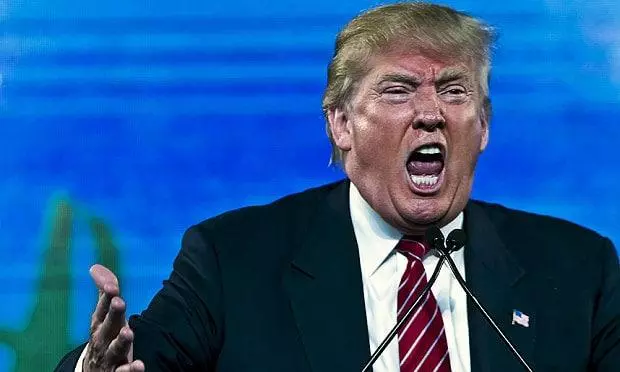

Ever since the United States ignited a devastating conflagration by bombing Iran—an offensive that claimed the lives of nearly two hundred innocent schoolgirls and numerous others, including their most revered, recalcitrant, and unswayed Supreme Leader, Ayatollah Ali Khamenei—with the strategic solace of Israel’s cooperation, a significant portion of the American populace has proven remarkably non-compliant with President Donald Trump’s errant actions.
This bellicose gambit has once again rendered the United States military susceptible to profound peril across the Middle East, yet the domestic appetite for such adventurism remains decidedly anaemic.
According to a recent Reuters-Ipsos poll, conducted in the immediate, tumultuous aftermath of the joint US-Israeli strikes, public approval for the operation is dismal, with a mere quarter of respondents deigning to support the escalation.
The survey, which opened on Saturday and closed on Sunday before the administration confirmed that the first American troops had been killed in the unfolding conflict, suggested that the early tide of sentiment was running decisively against the White House’s bellicose posture.
According to the findings, 43 per cent of respondents disapproved of the war, and 29 per cent remained unsure, thereby underscoring a well of scepticism across the electorate.
Although Republican voters proved more inclined to endorse the strikes, with 55 per cent approving, 13 per cent disapproving and 32 per cent uncertain, even within that cohort, there were discernible fissures, as approximately 42 per cent acknowledged that fatalities or injuries among US troops in the Middle East would diminish their support for the operation.
Among Democrats, opposition was overwhelming, with 74 per cent disapproving and a mere 7 per cent approving of the attacks.
This prevailing scepticism suggests a populace weary of geopolitical volatility, particularly as the administration’s rhetoric regarding a "righteous mission" clashes with the grim reality of three American servicemen killed in the burgeoning conflict.
While Republican stalwarts initially coalesced around the President's belligerent posture, their fealty is increasingly precarious; indeed, over forty per cent of the conservative base intimated that their support would evaporate should the body count of American troops continue its inexorable ascent.
The political landscape is further complicated by the looming spectre of the midterm elections, where the discrepancy between Trump’s "America First" isolationist pledges and this current interventionist zeal threatens to alienate his core MAGA constituency.
Conservative commentators have observed that while a swift, decisive victory might salvage the administration’s reputation, a protracted and bloody quagmire will undoubtedly incite a fierce domestic backlash.
Furthermore, the economic ramifications of the strife—manifested in the potential for skyrocketing petroleum prices and the disruption of arterial trade routes—have left nearly half of the electorate, including a substantial number of independents, profoundly apprehensive.
Meanwhile, the Democratic opposition has seized upon this military "war of choice" to underscore the President’s perceived hypocrisy, with figures like Senator Chris Van Hollen advocating for a war powers resolution to curb such unilateral executive aggression.
As the Trump administration frames the decapitation of the Iranian leadership as a defence of "civilisation itself," the American public appears more preoccupied with the tangible costs of war: the loss of life, the erosion of stability, and the looming financial burden.