













NATO allies refuse to join Trump’s Strait of Hormuz blockade plan
text_fields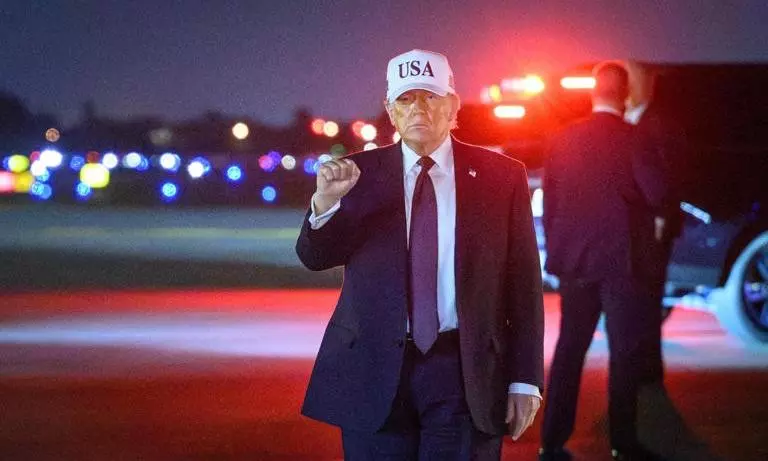

NATO allies, including Britain and France, have refused to participate in US President Donald Trump’s proposed blockade of the Strait of Hormuz, suggesting growing divisions within the alliance.
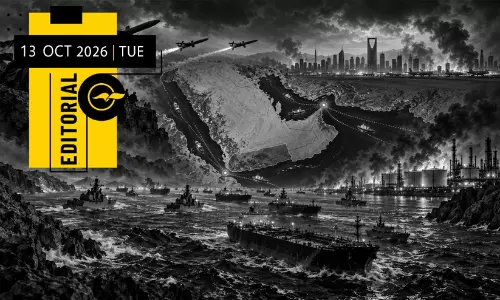
Trump said the United States would work with other countries to block maritime traffic in the waterway after talks with Iran failed to end the ongoing conflict. The US military later clarified that the blockade would target ships travelling to or from Iranian ports.
However, Britain and France said they would not be drawn into the conflict and instead stressed the need to reopen the strait, through which about one-fifth of the world’s oil passes.
British Prime Minister Keir Starmer said his government would not support the move despite pressure. “We’re not getting dragged into the war,” he said in an interview with the BBC.
NATO Secretary General Mark Rutte has urged member states to consider commitments to secure the waterway, though any joint mission would require agreement among all 32 members.
French President Emmanuel Macron said France would organise a conference with Britain and other countries to explore a separate multinational mission aimed at restoring safe navigation once conditions allow.
Several European countries indicated they could support efforts in the strait only after a durable ceasefire and assurances from Iran that vessels would not be targeted.
Meanwhile, Türkiye’s Foreign Minister Hakan Fidan called for the strait to be reopened through diplomacy, warning that forming an international force would be complex.
The standoff adds to tensions between the US and its allies, with Trump previously threatening to reconsider Washington’s role in NATO and reviewing troop deployments in Europe.