


















Iran-Israel war triggers swift surge in oil prices; might impact India
text_fields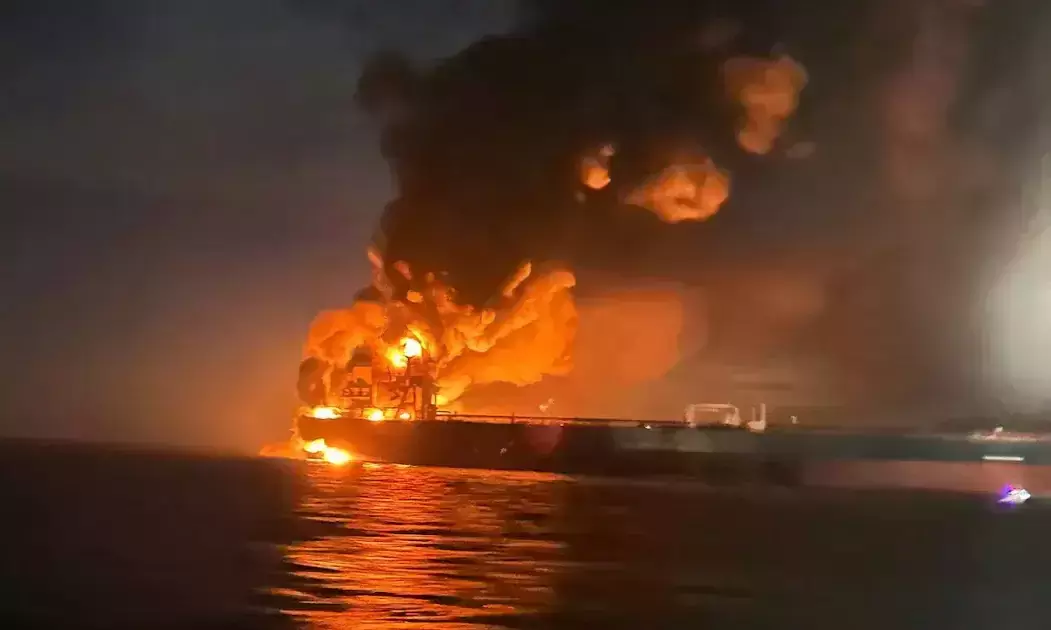

Dubai/New Delhi: Global oil prices surged 10 per cent to $80 a barrel after Iran launched missile attacks on two oil tankers off the coast of Oman, sharply escalating tensions in the Middle East and unsettling energy markets. Economists have warned that prices could cross the $100 mark in the coming days if the crisis deepens.
One of the vessels targeted was a small oil tanker identified as the Skylight, which was struck near the strategic Strait of Hormuz, a vital waterway through which roughly one-fifth of the world’s oil supply passes. The ship caught fire following the missile strike, heightening concerns over supply disruptions in one of the world’s most critical energy corridors.
As tensions escalated, major global shipping companies, including Maersk and NYK Line, temporarily suspended services through the region, citing security risks. The suspension has intensified fears of prolonged supply chain disruptions and further price volatility in global oil markets.
India faces a significant energy security challenge amid the crisis. Nearly 50 per cent of its oil imports — about 2.7 million barrels per day — transit through the Strait of Hormuz. Any sustained disruption could lead to a spike in domestic fuel prices. India also imports 80 to 85 per cent of its LPG requirements from Gulf countries, making it particularly vulnerable to supply shocks. Analysts warn that LNG prices could rise by as much as 25 per cent, affecting both households and industrial sectors.
The country reportedly holds only 10 to 15 days of commercial crude oil stocks and roughly a week’s worth of fuel reserves, limiting its ability to cushion prolonged disruptions. One potential alternative being considered is increasing oil imports from Russia, whose crude can be transported through eastern routes that bypass the Strait of Hormuz.
Leading financial institutions such as Goldman Sachs and Barclays have projected that oil prices could rise to between $100 and $110 per barrel if instability continues. Despite the recent spike, prices remain below the $139 level recorded during the early phase of the 2022 Russia-Ukraine war. Increased shale production in the United States and a potential output increase by OPEC+ countries may help moderate further price increases.
Economic experts caution that if the conflict persists for an extended period and the Strait of Hormuz is completely closed, the global economy could face a severe crisis marked by inflationary pressures, trade disruptions and slower growth.