

















Gaza’s Rafah crossing to reopen on Sunday after months-long closure
text_fields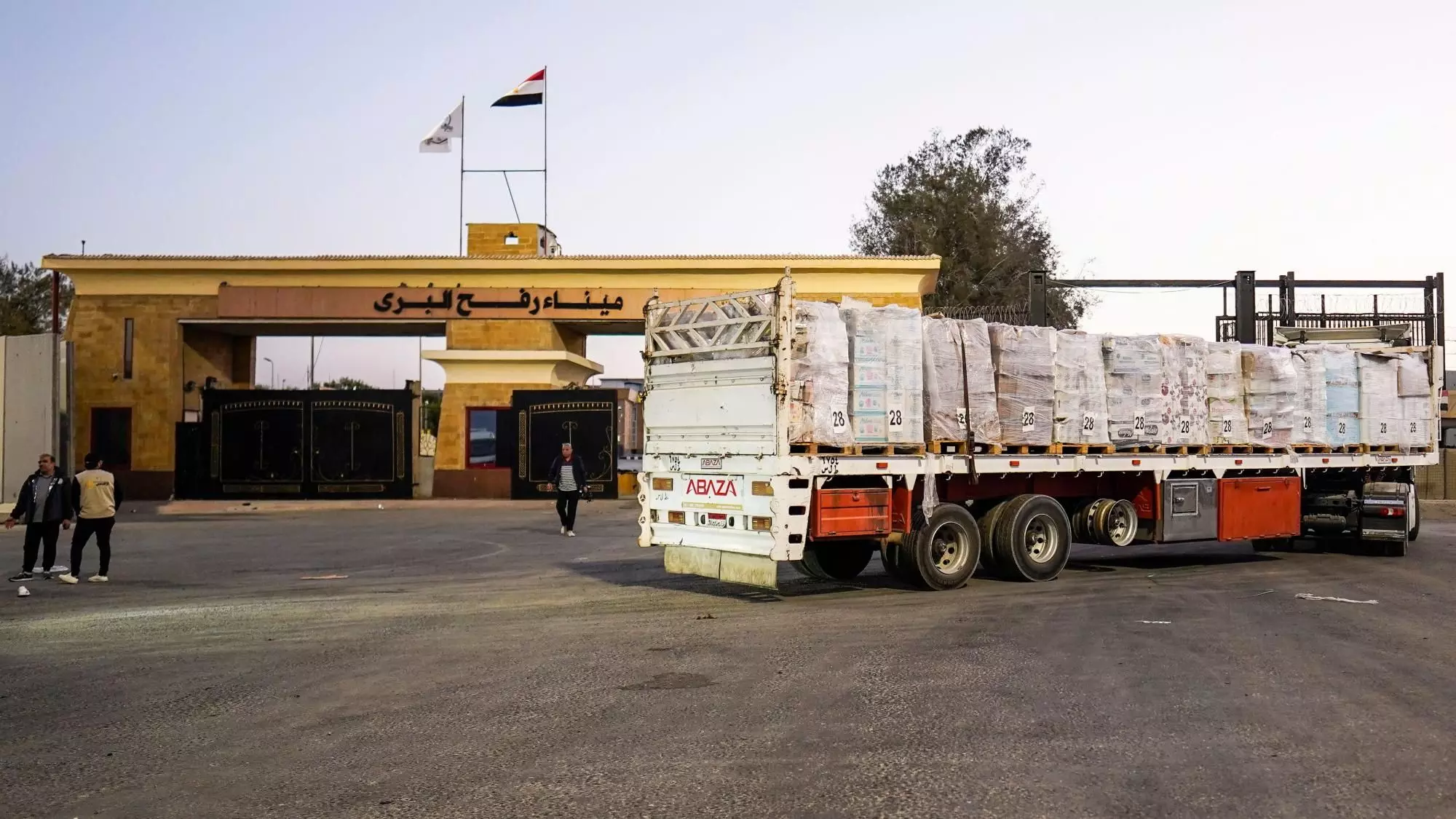

Jerusalem: Israel announced on Friday that it will reopen the pedestrian border crossing between the Gaza Strip and Egypt in both directions over the weekend, marking a significant step in implementing US President Donald Trump’s Gaza ceasefire plan.
COGAT, the Israeli military body responsible for coordinating aid to Gaza, said that starting Sunday, a “limited movement of people only” will be allowed through the Rafah crossing, Gaza’s main gateway to the outside world.
The announcement follows statements from Israeli Prime Minister Benjamin Netanyahu and Ali Shaath, newly appointed head of the Palestinian administrative committee overseeing Gaza’s daily affairs, indicating the crossing would likely open soon.
According to COGAT, both Israel and Egypt will vet individuals for exit and entry, with the process supervised by European Union border patrol agents. Palestinians leaving and returning will also be screened by Israel in the adjacent corridor, which remains under Israeli military control.
The Rafah crossing has been under near-total closure since Israel seized it in May 2024, citing a strategy to halt cross-border arms smuggling by Hamas. It was briefly opened for medical evacuations during a short-lived ceasefire in early 2025.

Israel had resisted reopening the crossing, but the recovery of the remains of the last hostage in Gaza on Monday cleared the way for controlled movement. Netanyahu subsequently said the crossing would soon open in a limited and monitored fashion.
An Israeli official, speaking anonymously in line with policy, told The Associated Press that dozens of Palestinians will initially be allowed through each way, starting with medical evacuees and those who fled during the war. Fifty medical evacuees will be permitted to exit Gaza, while 50 returnees will be allowed entry. It remains unclear whether medical evacuees will be accompanied by caretakers, as has been the case in previous evacuations.
Thousands of Palestinians inside Gaza are seeking to leave the war-battered territory, while many who fled during the heaviest fighting wish to return. Egypt is currently hosting tens of thousands of Palestinians from Gaza.
Gaza’s health system was decimated during the war, leaving advanced surgical procedures largely inaccessible. According to the territory’s health ministry, more than 18,000 Palestinians are wounded and require treatment abroad, with around 20,000 sick and injured in urgent need of care. In past evacuations, priority has been given to children, cancer patients, and those suffering severe trauma, most of whom received treatment in Egypt.
At least 30,000 Palestinians have registered with the Palestinian Embassy in Cairo for return to Gaza, an embassy official said, speaking anonymously as details of the reopening are still being finalised.
The reopening represents one of the first steps in the second phase of last year’s US-brokered ceasefire agreement, which also addresses sensitive issues such as demilitarising Gaza and establishing an alternative government to oversee reconstruction of the mostly destroyed enclave.
Before the war, Rafah faced heavy restrictions but remained the main crossing for people and trade between Egypt and Gaza. In 2022, the United Nations recorded more than 133,000 entries and 144,000 exits through Rafah, with over 32,000 trucks of goods entering the territory. Egypt allowed imports on 150 days that year.
Gaza has four other border crossings, but the rest connect only with Israel; Rafah is the only crossing linking Gaza to another country.
Netanyahu has emphasised that Israel’s priority remains disarming Hamas and destroying its remaining tunnels, warning that reconstruction will not proceed without these measures. This stance gives Israel significant leverage over Rafah, underscoring its role in the peace and rebuilding process.

With PTI inputs