













Australia grants asylum to 5 players from Iran’s women’s soccer team
text_fields

Gold Coast: Australia has granted asylum to five members of Iran’s women’s national football team who were in the country for a tournament when the war in Iran began, a government minister said on Tuesday.
The decision follows several days of appeals from Iranian community groups in Australia and from United States President Donald Trump, urging the Australian government to allow the players to remain. The athletes themselves had not publicly expressed a wish to seek asylum.
The team drew widespread attention in Australia after several players did not sing the Iranian national anthem before their opening match, sparking speculation about their stance.
Early on Tuesday, police transported five players from their hotel on the Gold Coast to a safe location after they submitted asylum requests. At the location, Home Affairs Minister Tony Burke met the athletes and finalised the processing of their humanitarian visas, he told reporters in Brisbane.
“I don’t want to begin to imagine how difficult that decision is for each of the individual women, but certainly last night it was joy, it was relief,” Burke said. He also shared photos on social media showing the players smiling and applauding as he signed the documents.
According to Burke, the players were comfortable with their names and photographs being published and emphasised that they did not consider themselves “political activists.”
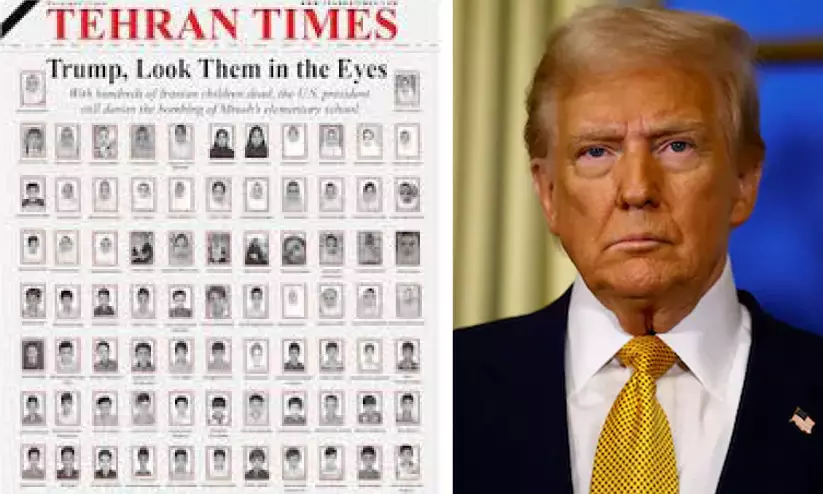
Iranian state television reported that the country’s football federation has asked international football authorities to review what it called Trump’s “direct political interference in football,” warning that such remarks could disrupt the 2026 World Cup scheduled to begin in North America in June.
Migration agent and Iranian-Australian community member Naghmeh Danai said she visited the players at their hotel on Monday night to explain the opportunities available to them in Australia.
“I told them that if you accept this offer, you will have a great future here. You will have more respect. You won’t be under the level of suppression you have experienced in your country,” Danai said, adding that the players were pleased but found the decision emotionally difficult because of family members in Iran.
The Iranian team had travelled to Australia last month to participate in the Women’s Asian Cup before the war in Iran began on February 28. The team was eliminated from the tournament over the weekend and faced the prospect of returning to a country currently under bombardment.
On Sunday, Iran’s head coach Marziyeh Jafari said the players “want to come back to Iran as soon as we can.” An official squad list includes 26 players along with Jafari and other coaching staff. Burke said the offer of asylum had been extended to the entire squad.
“These women are tremendously popular in Australia, but we realise they are in a terribly difficult situation with the decisions they’re making,” Burke said, adding that Australian officials remain available to speak with any other team members who may wish to discuss their options.
It was not immediately clear when the remaining players would leave Australia. On Tuesday afternoon, a commotion erupted outside the team’s hotel when members of the public knelt or lay down in front of a white bus with tinted windows believed to be carrying the rest of the squad.
The identities of those on the bus and its destination were not immediately confirmed. Similar vehicles have previously transported players to and from their matches.
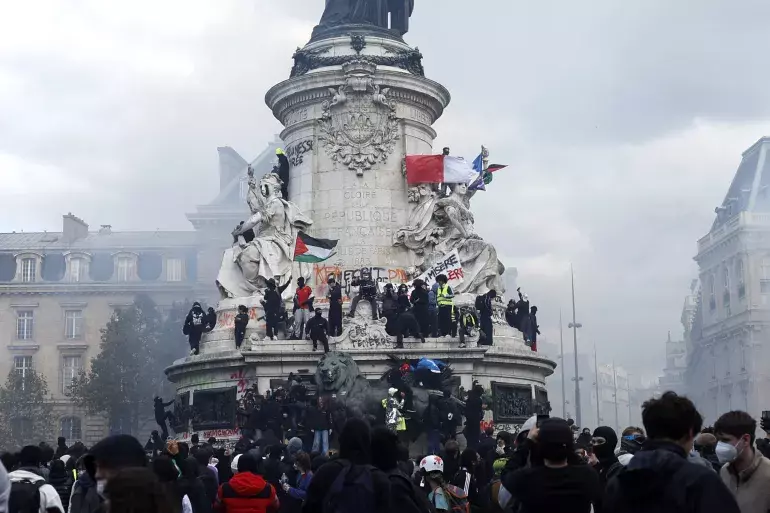
Some protesters, wearing red, white and green clothing or holding pre-Revolution Iranian flags, attempted to block the bus from departing the hotel. Although the vehicle was delayed for several minutes, it eventually left the area. Demonstrators chanted slogans including “Save our girls” and “Please act now.”
Burke did not elaborate on the specific threats the players might face if they returned to Iran.
Throughout the tournament, the team largely avoided commenting on the situation in their home country. However, Iran forward Sara Didar became emotional during a news conference last week, expressing concern for her family and for people in Iran.
The players’ silence during the national anthem before their opening loss to South Korea last week drew national media attention in Australia. Some observers interpreted it as a form of protest, while others believed it reflected mourning over the situation in Iran. The team did not clarify the gesture and later sang the anthem before their remaining matches.
Australian Prime Minister Anthony Albanese said the country had been moved by the situation facing the players.
“Australians have been moved by the plight of these brave women,” Albanese told reporters. “They’re safe here and they should feel at home here.”
He added that Australian authorities had made offers of assistance clear to the athletes.

Australia’s decision came after Trump publicly called on the country to grant asylum to any member of the team who requested it.
Earlier on Monday, Trump criticised Australia on social media, accusing it of “making a terrible humanitarian mistake by allowing the team to be forced back to Iran, where they will most likely be killed.” He added that the United States would accept them if Australia did not.
Less than two hours later, Trump posted again praising Albanese, writing: “He’s on it! Five have already been taken care of, and the rest are on their way.”
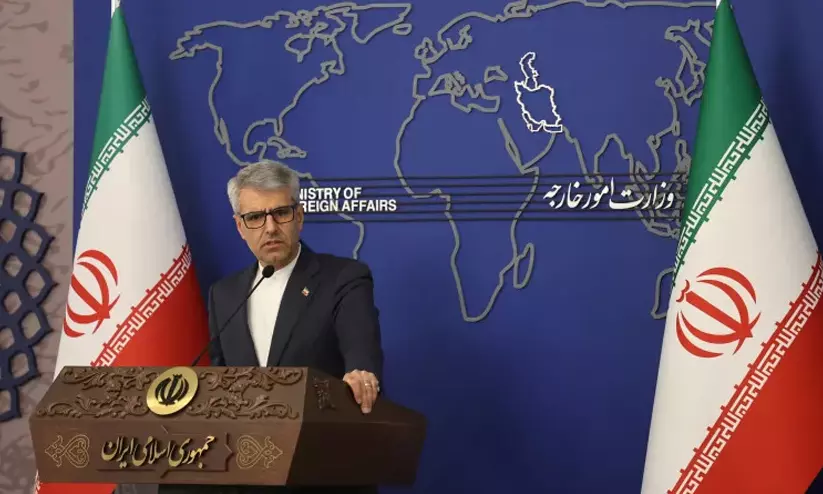
Iran’s football federation dismissed Trump’s remarks as “baseless and unlawful” and urged global football bodies to intervene.
Separately, Iran’s First Vice President Mohammad Reza Aref said the country welcomed the players’ return and guaranteed their safety.
“Iran welcomes its children with open arms and the government guarantees their security,” Aref said. “No one has the right to interfere in the family affairs of the Iranian nation and play the role of a nanny who is kinder than a mother.”
Trump’s call for asylum also marks a notable shift in tone, as his administration has generally pursued policies aimed at restricting asylum for immigrants entering the United States for political reasons.
With PTI inputs