













When hate-driven tactics run rampant
text_fields

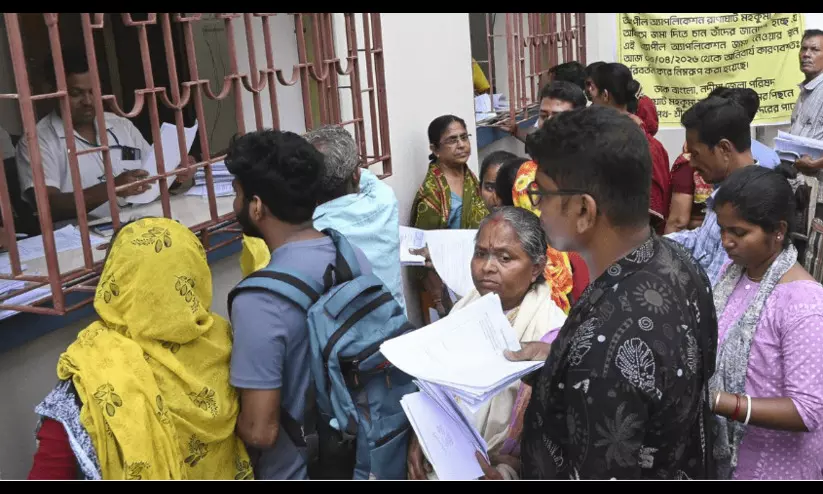
The election results in West Bengal, Assam, and Tamil Nadu, where polls were held alongside Kerala, not only bring disappointment to secular forces but also raise concerns among Indians who value democracy, the rule of law, and, above all, the Constitution. While Mamata Banerjee, who strongly opposed the agendas of the Hindutva regime at the Centre and fought legal battles against alleged violations of federal principles, has been defeated in her own constituency, M. K. Stalin continues in power in Tamil Nadu. At the same time, Himanta Biswa Sarma in Assam, who has been implementing the Centre’s divisive agenda and marginalising minority communities, has managed to retain power. Ahead of the elections, nearly 91 lakh people were reportedly removed from the voter list in West Bengal under the cover of a hurriedly conducted SIR process.
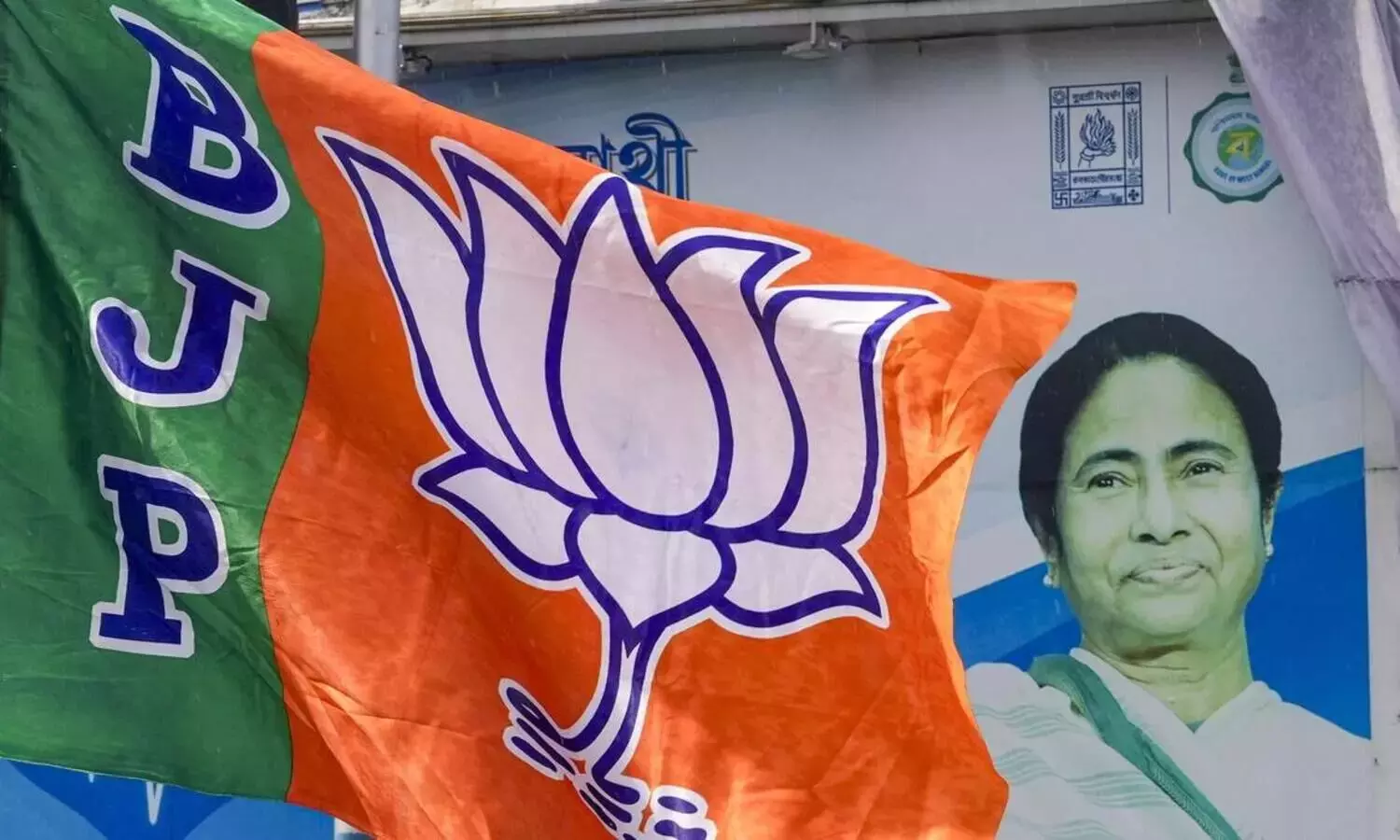
The Election Commission carried out large-scale deletions, particularly in districts with significant Muslim populations such as Murshidabad, North 24 Parganas, and Malda. The votes of members of the Dalit “Matua” community were also widely removed. By creating a general perception that the deleted names belonged to illegal immigrants from a neighbouring country, the authorities succeeded in neutralising protests against this denial of democratic rights. Among those excluded were lakhs of people, including Havildar Mohammed Daud Ali, who had served in the Indian Army for over two decades and fought for the country, including in Kargil, as well as his children. The Centre deployed several times more central security forces than were used in Manipur at the peak of ethnic violence, along with police personnel from Uttar Pradesh, who were infamous for alleged fake encounter killings, into the state in the name of maintaining law and order, thereby creating the impression of an extremely conflict-ridden region. A voting process carried out by denying the right to vote and by creating an atmosphere of fear cannot be considered free or fair. The fact that the BJP secured major victories in areas where voters had been removed itself reveals the intent behind the SIR process.
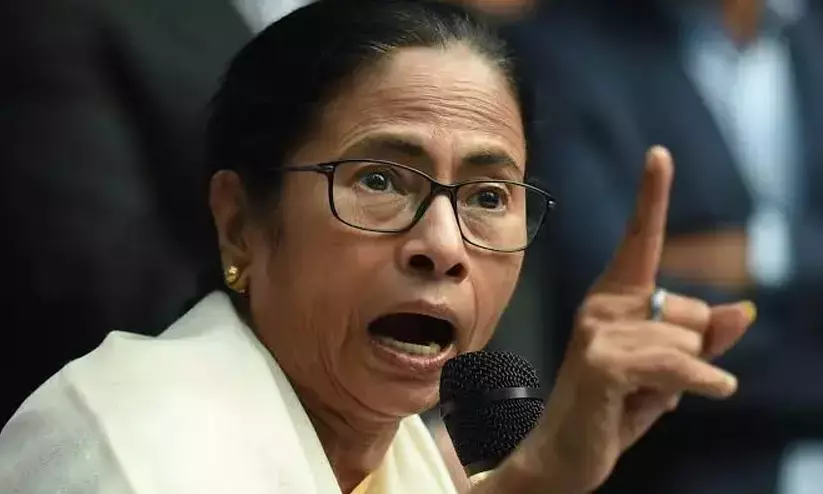
Mamata Banerjee has raised very serious allegations following the announcement of the results, including claims that CCTV cameras were turned off during vote counting, that she was assaulted, and that the machines were tampered with. Leaders of the INDIA alliance have expressed support for her, while she has stated that she will neither resign nor meet the Governor, claiming that she has the moral backing of the people. However, this response appears illogical—akin to raising arguments after the court has adjourned. Had such support and unity been demonstrated weeks earlier, the fascist incursion into Bengal might have been more effectively resisted. There were also instances of the excessive use of governmental power, while various communal strategies had been deployed months ahead of the elections. Narendra Modi and Amit Shah directly led the campaign efforts. Although the apparent desire to unseat the government of M. K. Stalin—who had repeatedly challenged the Modi administration—has been fulfilled, the BJP, which had four MLAs previously, has been reduced to just one seat. Tamil Vetri Kazhagam, led by actor Vijay, has emerged as the single largest party and has begun efforts to form the government. It remains to be seen how the Centre will deal with a government formed with the support of other parties. The BJP in Assam effectively kicked off the election season by circulating videos that spread communal hatred. This was followed by party leaders flying in from the Centre and other states, delivering hate speeches before departing. There was not even the slightest response from the Election Commission to these developments. In an election saturated with such divisive narratives, expecting a different outcome is unrealistic. The polarisation created by these campaigns is likely to make people’s lives in the state more difficult. Political parties in Kerala that resort to communal propaganda and divisive narratives merely to secure a few votes and seats must recognise this danger.