














Secular India must not be confined to books
text_fields

Muslims across the globe have transitioned from the hallowed month of Ramadan into the festivities of Eid al-Fitr. Within the community, a tradition of rigorous introspection prevails—a spiritual audit of how one greeted and eventually bid farewell to a month promised to be laden with divine recompense. Concurrently, in secular India, home to the world’s second-largest Muslim population, it is imperative for those committed to democracy to scrutinise how this pre-eminent minority navigated their sacred month. Such an analysis is vital, serving as both a cautionary vigil and a blueprint for systemic redress. The impetus for this scrutiny lies in the surge of ethnic atrocities and hate crimes that have convulsed various regions of the country over the past month. A targeted campaign against a specific community—ranging from the strangulation of religious liberty, intimidation, and judicial harassment to cold-blooded homicide—has unfolded. Yet, these outrages failed to register as significant reportage in the mainstream media, nor did they cause any disquiet among the secular national parties.
Despite aligning with the BJP, Nitish Kumar continues to present himself as an ally of the Muslim community. During his tenure as Chief Minister, a brutal incident occurred in Bihar’s Madhubani district, where Roshan Khatun, a fasting woman, was forced to drink urine, tied to a post, and beaten to death. Her only “offence” was filing a complaint against the village headman’s son—a step that ultimately cost her life. In Alwar, Rajasthan, a 28-year-old man named Amir from Haryana was shot dead, reportedly over allegations of cattle smuggling - as happens usually. His family strongly denies any such links. Even if this is accepted for argument, communal mobs have no authority to enforce the law or deliver punishment. In Lucknow, the capital of Uttar Pradesh, a teenager, Unais Khan, was shot dead during a birthday celebration. With the accused reportedly related to the Deputy Chief Minister, there is little hope for justice. A recurrent pattern in such cases is the haste with which authorities appear to shield the accused while directing legal action against the victims.

Holi coincided with Ramadan this year, and in some places, mosques were covered by authorities to prevent them from being defaced with colours—an approach that was not the right step to take. In Delhi, a dispute over the splashing of colours during these festivities culminated in the killing of a youth named Tarun Kumar. As the accused belonged to the Muslim community, the state responded with speed, with demolition of their homes. A threat was also made that they would 'play Holi with blood” during the celebrations of Eid.
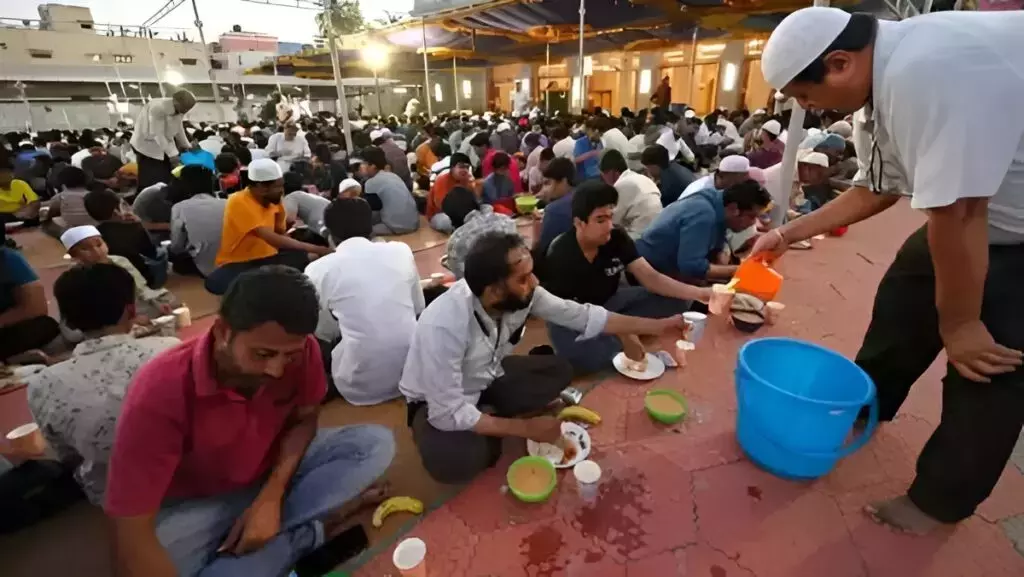
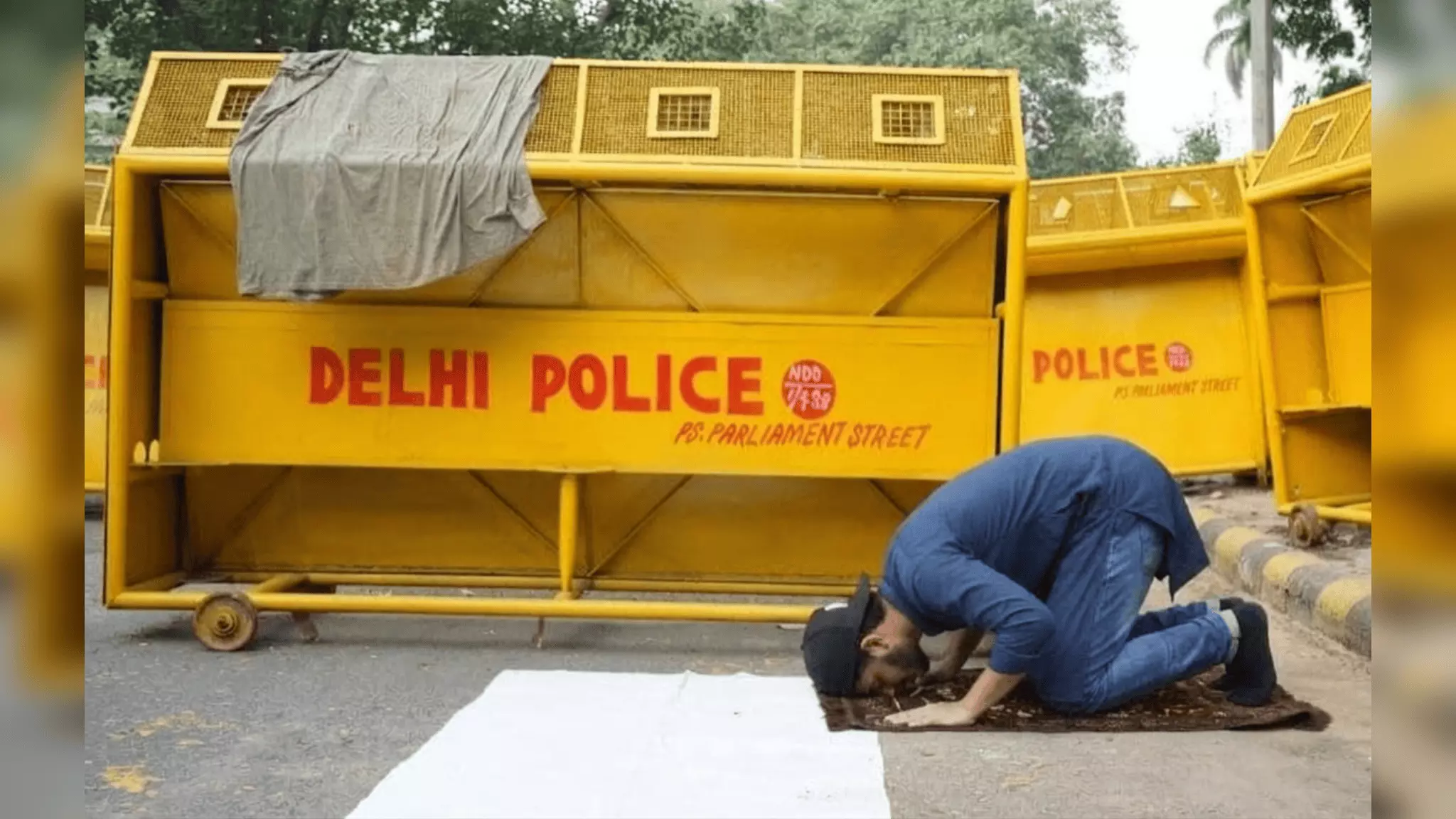
In Pune, Hindutva groups disrupted an iftar gathering with violence. In Varanasi, youths who held an iftar on a boat were charged with “polluting the Ganges". At Lucknow University, students were booked for offering prayers on the lawn. Iftar and Taraweeh prayers are not new to India’s social landscape, yet the use of legal measures to target such practices marks a troubling shift. Writer Kunal Purohit has described these incidents as comparable to the attacks faced by the Christian community during Christmas.
Amid these developments, one cannot lose sight of moments of hope. Chief among them was the intervention against restrictions imposed on worship at the Sambhal mosque by the Allahabad High Court. A division bench comprising Justices Atul Sreedharan and Siddharth Nandan set aside an order limiting attendance for the congregation to twenty people, and observed that if authorities were unable to maintain order, the district collector of Sambhal and the Superintendent of Police should either step down or seek transfer. Another shining example was at Lucknow University where students made a protective cordon around around those offering prayers in a powerful act of solidarity. The events of the past month serve as a warning that the concept of India as a place where people can observe their beliefs and festivals without fear or interference from others do not remain confined to history books and illustrated stories, then the secular society must respond with urgency.