












Let us not forget our history of friendship
text_fields

India, which has stood with the Palestinian people’s anti-occupation struggle from the very beginning, has now completed three decades since opening its Representative Office in Palestine. Since establishing the office in Gaza in 1996, India has extended extensive support to Palestine in areas such as education, healthcare, and technology, besides contributing to initiatives including the establishment of a technology park, nurturing young scientists, opening schools, and providing scholarships for talented Palestinian students to pursue studies in India. India recently released a 10-minute documentary to mark three decades of diplomatic relations based on friendship, solidarity, and development cooperation. Published on the official social media accounts of the Indian Representative Office in Palestine, which is now located in Ramallah, the documentary may not have gone 'viral', but it is certainly worth seeking out and watching. This short documentary evokes memories of the brotherhood and just foreign policy that we once cherished like the apple of our eye. The documentary features visuals from nearly four to five decades of friendship, beginning with the era of Indira Gandhi. However, India has been a close and trusted friend of the Palestinian people for several decades even before the establishment of an official representative office in Palestine. The famous words of Mahatma Gandhi, the Father of the Nation, that “Palestine belongs to the Arabs in the same sense that England belongs to the English or France to the French,” became the foundation of India’s subsequent foreign policy towards the Palestinian issue.
Under the leadership of Jawaharlal Nehru, India strongly opposed the 1947 United Nations resolution proposing the partition of Palestine, viewing it as a continuation of British imperialism. Nehru declared that the struggle of the Arab people of Palestine was connected to India’s own freedom movement and he visited Gaza in 1960. Later, Prime Minister Indira Gandhi became a deeply respected figure among Palestinians, who regarded her almost as one of their own leaders. In 1974, India became the first non-Arab country to recognise the Palestine Liberation Organization (PLO) as the legitimate representative of the Palestinian people. In 1988, India formally recognised the State of Palestine. Despite not being a military or economic superpower, India’s stance on the Palestinian issue was viewed with respect globally as that of a nation with the moral courage to stand firm before powerful imperial forces. The documentary begins with visuals of Palestinian liberation leader Yasser Arafat being warmly embraced by the then Indian Prime Minister Rajiv Gandhi during Arafat’s visit to India in 1985. The film also features former Indian ambassador to Palestine TS Tirumurti recalling the affection shown by Palestinians towards Indian diplomats who arrived in Gaza to establish the representative office and lived among the people, sharing their hardships and experiences.
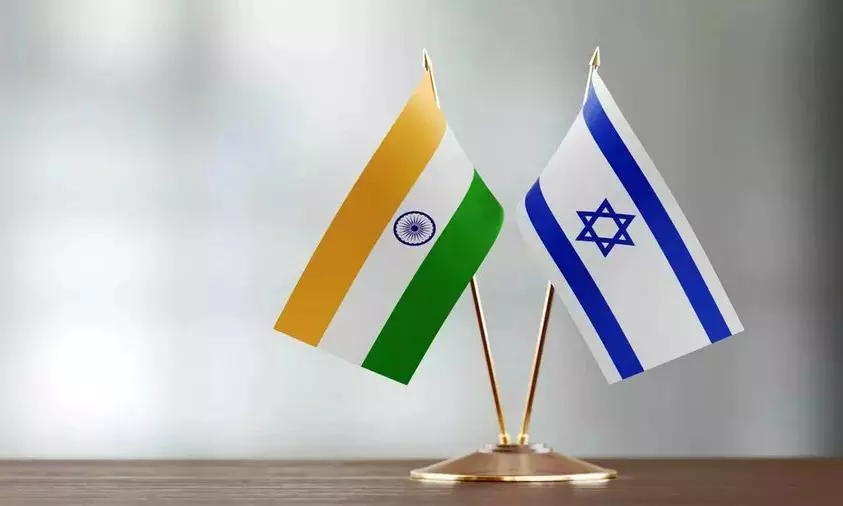
Listening to these accounts reminds Indians who reject hatred and hostility about the remarkable legacy of friendship and solidarity that they inherited. At the same time, it also raises questions about India's current position on the Palestinian issue. While repeatedly asserting that there has been no change in India’s position on Palestine, the government is simultaneously moving closer to Zionist forces and showing willingness to supply them with arms. The solidarity with Palestine which leaders from Jawaharlal Nehru to Atal Bihari Vajpayee had openly upheld as part of India’s national policy has now been transformed into an act that can invite reproach ranging from being labelled extremist to facing legal action. While descendants of those who went in search of the Promised Land used to come to India to light lamps at ancestral graves and to see historic synagogues, our country has now become a resting place for Zionist soldiers who are carrying out massacres in Gaza. Even as the government and supporters of Zionist policies welcome and embrace Israel, India’s conscience continues to stand with the Palestinian people. Justice Dalveer Bhandari’s vote in favour of the International Court of Justice’s order calling for measures to prevent genocide in Gaza, and Justice Dr S. Muralidhar’s role as chair of a United Nations investigative commission working to secure justice for children killed in Gaza, are examples of India’s earlier principled position. It is certain that India’s solidarity with Palestine will continue through such judges, port workers who have pledged not to handle arms shipments destined for Israel, and mothers who have chosen to boycott products from organisations they believe support the war in Gaza.