









KSRTC's inconsiderate fare hike
text_fields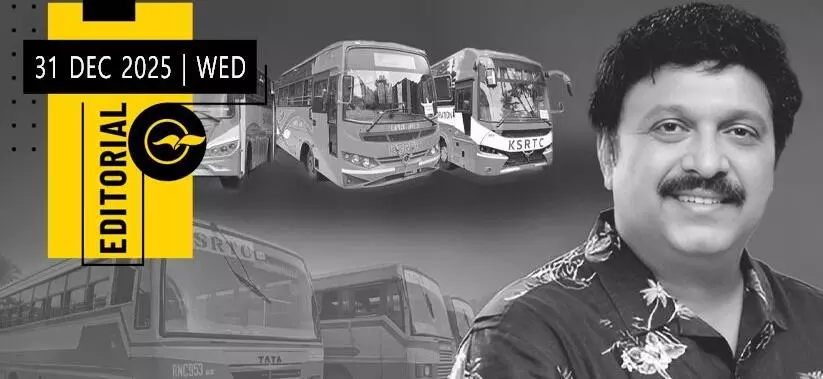

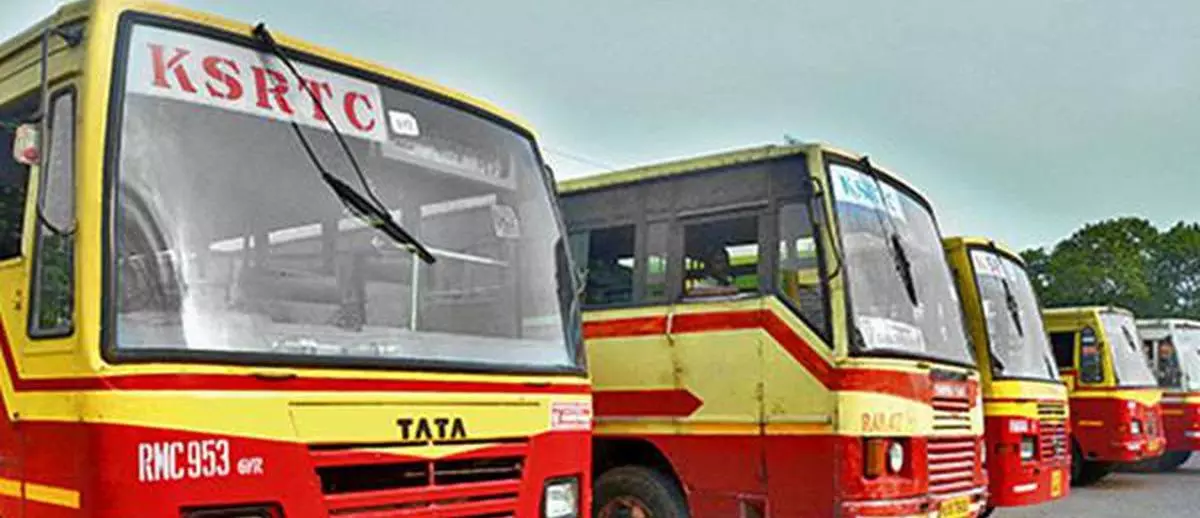
Kerala State Road Transport Corporation (KSRTC) has decided to introduce a reform in long-distance reservation services under which fares will be increased based on passenger demand. The new policy is that higher demand will mean higher fares. While it is being said that fares will be reduced on days when demand is low, under the present circumstances the likelihood of this actually happening is very low. The reform is aimed primarily at boosting revenue. In effect, this means that passengers who depend on KSRTC for long-distance travel will have to pay more. The change will disproportionately affect ordinary people who rely on KSRTC as a mode of public transport. Even at present, there is a significant gap between train fares and bus fares, with train fares being on average about one-third of bus fares. As a result, trains are already extremely crowded, with situations where passengers have even fainted due to congestion. KSRTC’s new reform is likely to worsen this overcrowding further.
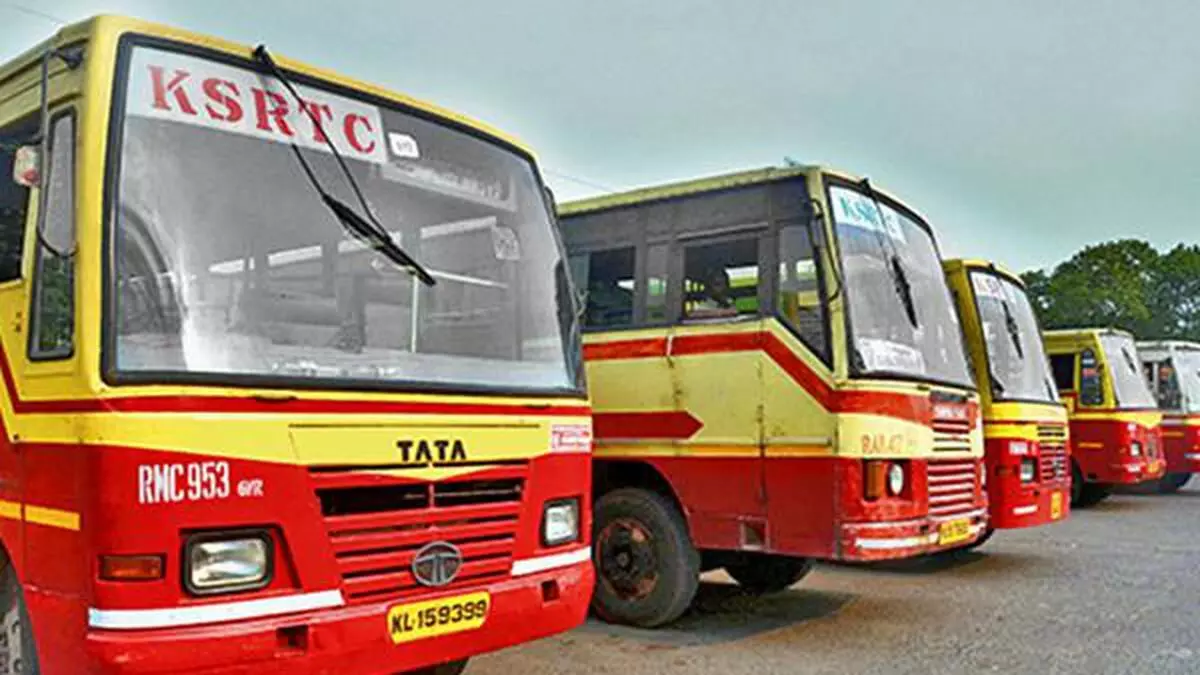
KSRTC has been implementing a “flexi fare” system since 2018, under which fares are increased in advance by estimating days of higher passenger demand. Under this system, fares were raised by 30 per cent on high-demand days such as Fridays, Saturdays and Sundays, and reduced by 15 per cent on low-demand days like Tuesdays, Wednesdays and Thursdays. Based on this model, fare hikes or reductions were often announced as much as three months in advance, taking into account festival and holiday seasons. This system is now being replaced with a “dynamic real-time flexi fare” mechanism, under which fares will increase whenever demand rises and decrease when demand falls. From now on, fares will be fixed by monitoring bookings on each individual service. The current decision allows fares to be increased by up to 30 per cent and reduced by up to 15 per cent. However, KSRTC has often been keen on increasing fares while frequently failing to implement reductions. Even under the existing flexi fare system, KSRTC had charged higher fares on Bengaluru–Kerala routes during the Christmas and New Year holiday season. There were also allegations that fares had been increased by as much as 50 per cent last year. Special services were charged at particularly high rates, with passengers required to pay fares up to the final stop.
With the introduction of the takeover rule covering long-distance services operating over 140 kilometres, KSRTC’s monopoly has become even stronger. KSRTC has already taken over most of the routes of private bus services that used to operate above this limit. Only a very small number of services are left to be taken over. Even those remaining operators are moving forward by shortening route lengths and seeking legal protection. As a result, services operating between the southern districts and Malabar, and vice versa, experience heavy crowding even on normal days. Private buses attempted to compete with KSRTC on these takeover routes by obtaining all-India permits, but the vast majority of such efforts failed. Many of these operators are now running services only as tourist buses through advance bookings. Only KSRTC runs services from Thiruvananthapuram to various parts of the state. With the new system in place, fares on all these routes are likely to increase. Moreover, for families travelling together, demand-based fare hikes could significantly disrupt and inflate their travel budget.
There has long been criticism in the state that bus fares are higher in Kerala compared to other states. Demands for fare hikes are frequently raised and implemented citing KSRTC’s financial losses. Unlike private buses, KSRTC also collects a fixed percentage of the ticket price as a cess. In states such as Tamil Nadu, Karnataka and Delhi, travel is free for women and girls, while no such concessions exist in Kerala. At the same time, many undeserved freebies are being given too. Affordable public transport is a right of the people and is a service sector that deserves greater attention and care. A stable and efficient public transport system is also a key indicator of development. It must be said that the new decision undermines these very objectives. Raising revenue by hook or by crook, even through hard-hearted practices, will hardly befit a Left government.