








India’s sovereignty in Trump’s locker?
text_fields

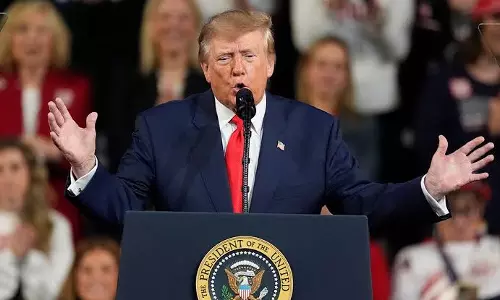
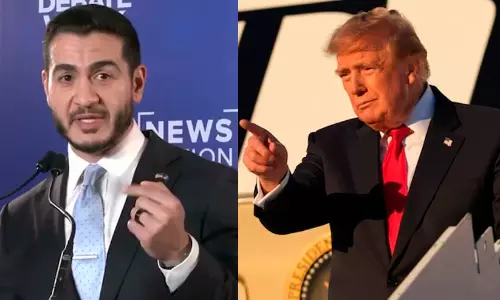
While Parliament, the highest constitutional institution safeguarding India’s democracy and sovereignty, is in session, a decision of critical importance affecting the income and future of 140 crore Indians has emerged not from Delhi, but from Washington. The announcement was not made by India’s Prime Minister, but by US President Donald Trump through his social media account. Prime Minister Narendra Modi has so far shown no willingness to answer the fundamental question of what exactly the India-US trade agreement contains — not just before the people, but even in Parliament. Even as the US administration hails the agreement as a major success before its citizens, our government is maintaining a disturbing silence. Then what is the meaning of democracy if the government is unwilling to share the details of such an agreement either in Parliament or with the public? Naturally, the India-US trade agreement unilaterally announced by US President Donald Trump raises serious questions about India’s sovereignty and constitutional accountability. The press conferences and statements made by Union Commerce and Industry Minister Piyush Goyal have only added to the uncertainty, offering little reassurance to the anxious public. There is not even clarity on whether this is a “mini-deal” or a comprehensive Free Trade Agreement (FTA) similar to the one signed with the European Union recently. Economists have already warned that the price Trump is demanding in return for reducing tariffs on Indian goods could be disastrous.
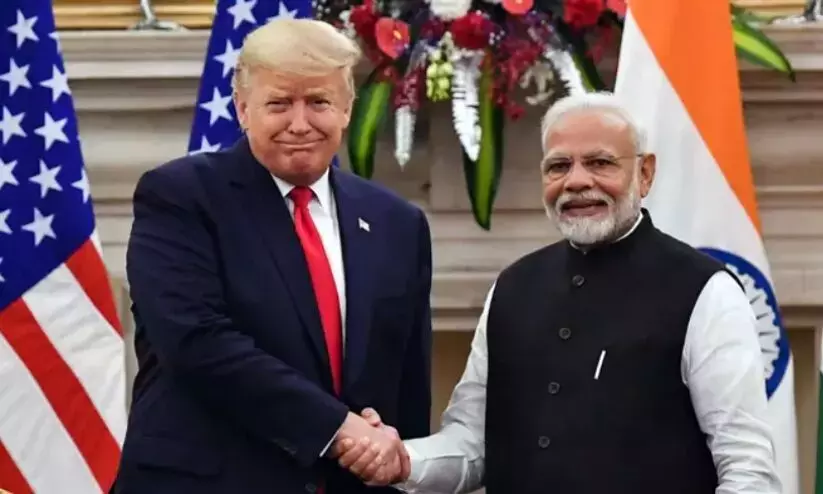
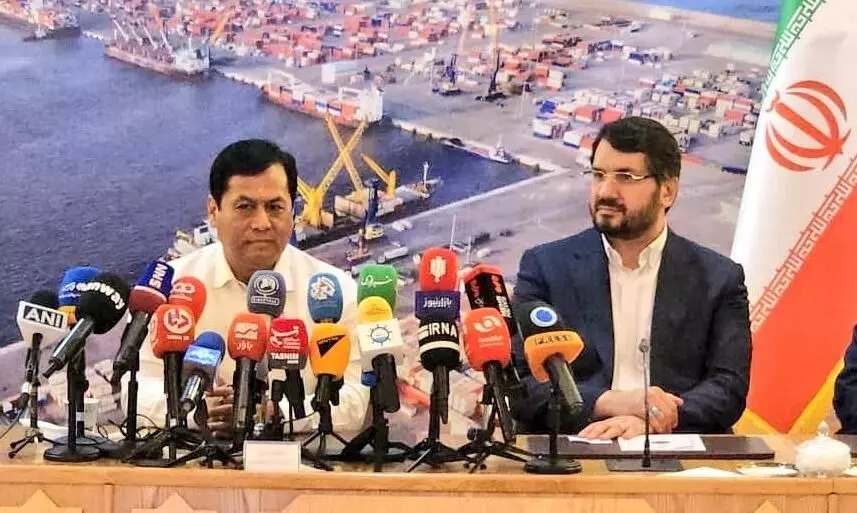
If the claims made by Trump and his associates, that the Prime Minister has agreed to impose zero tariffs on all American products entering India, and that India has committed to purchasing American goods worth half a trillion dollars (around ₹45.5 lakh crore) are true, (the Indian government has so far not denied it yet), then the much-celebrated “Make in India” programme promoted by the government for the past 11 years will effectively be sent to the dustbin of history. Allowing American products to flow unchecked into India’s agriculture and dairy sectors will devastate the homes and livelihoods of lakhs of farmers. Reports suggest that India has agreed to stop importing Russian oil by March in response to sanctions-related pressure. The European Centre for Research on Energy and Clean Air (CREA) has stated that Reliance Industries, which owns India’s largest refinery, has already halted oil purchases from Russia starting January 2026. At the same time, under American pressure, India’s investment in Iran’s Chabahar Port is also being suspended. Notably, the Union Budget presented on February 1 makes no allocation for Chabahar in the coming year. By withdrawing from a 23-year-long strategic project in order to serve Trump’s “America First” agenda, the Modi government is inflicting a heavy loss on India. Replacing Iranian and Russian oil with imports from the United States would mean paying about two dollars more per barrel.
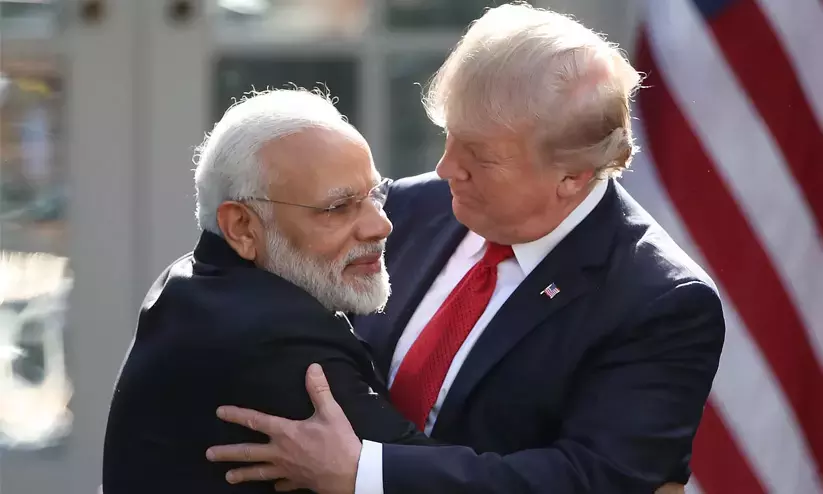
According to an SBI report, being forced to purchase fuel from international markets at higher prices would sharply increase India’s import bill and severely damage the economy. When questions are raised about such moves that compromise the country’s self-respect and economic security, the Prime Minister shows indifference and apparent belief that he has no obligation to the people which makes a mockery of the country's concept of sovereignty and democratic values. While the Union government does have the authority to sign agreements with foreign countries, any agreement that affects the people must necessarily be discussed in Parliament. Under Article 75(3) of the Constitution, governance is founded on the principle of collective responsibility. By allowing decisions to be taken through private and secretive dealings between Modi and Trump, and by bypassing Parliament, the very essence of the Constitution is being undermined. Revealing the details of such agreements through social media, instead of through Parliament, violates parliamentary etiquette that has been practised for seven decades. It is nothing short of a betrayal of democracy. In a sovereign nation, citizens should learn of such critical matters through official communications from their own government, not through tweets by foreign leaders.