














From cybercrimes to official ‘lapses’
text_fields

Digital technology, along with its great conveniences, is posing new challenges with its huge potential for fraud. From ‘official’ crimes like vote-multiplying and vote-rigging to bank fraud and fake information that can disrupt the daily lives of ordinary people, it is creating a grave situation. This is a complex scenario that requires urgent solutions. The series ‘Accountukal Vilkanund’ that we are publishing inour Malayalam daily is one end of this magical world. ‘Mule accounts’ (accounts that are used by fraudsters in the name of others and then used for their own benefit), which are part of the global network of cybercrimes, on the one hand, make young people (including students) victims of fraud, and on the other hand, they are used to launder black money. Despite the large scale presence of crimes, the real criminals go unapprehended. People are cheated even by using friendship circles. It is mainly cyber tricks that help criminals escape without being caught. Available information confirms that Kerala is a haven for mule accounts. It is estimated that transactions worth more than Rs 250 crore have been made through about 15,000 accounts so far this year. The CBI says that there are 8.5 lakh mule accounts across India. The Indian Cyber Crime Coordination Centre reports that the reality will far exceed this figure.

This means that the scale and depth of the fraud are not small. The Karnataka Cyber Police registered a case on Sunday of a massive fraud committed using email. A company called Group Pharmaceuticals in Bengaluru owes Dr Reddy's Laboratories in Hyderabad Rs 2.16 crore for medicine sales. On November 3, someone hacks the company's email system. From one of their official emails, the finance team at Dr Reddy's receives a request to transfer the money to a special account. They do so. Only because the fraud was detected immediately, was the account frozen. 'Digital arrest' is a cyber fraud committed by posing as police and other law enforcement agencies. This method of 'arresting' individuals and extorting money for their release has international dimensions. In countries like Myanmar, it is believed that such fraud is supported by the government itself. This is what made cyber fraud in the past more dangerous. The digital sector makes these scams, which include fake job offers, human trafficking, threats and torture, mule accounts, cryptocurrency and many more, possible and easy. The Supreme Court recently called for a comprehensive investigation in this area. A massive investigation and action is needed by the Union government, state governments, the Reserve Bank, etc. Cybercrime comes in many forms. Cryptocurrency fraud, online child abuse, cyber terrorism and many more. It is digital technology that acilitates this. Crime is not the game of loners who are isolated from society.

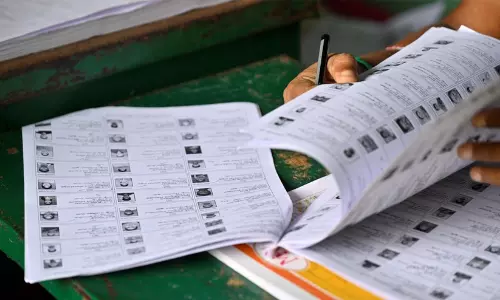
This is directly related to the attitude of the authorities towards good conduct and good governance. Myanmar border guards who are directly involved in cyber-crime are not the only example of this relationship. There have been allegations that Israeli spyware was widely used in India to secretly monitor opposition leaders and others with the connivance of the authorities. The pager massacre carried out by Israel in Lebanon was ‘official terrorism’. In our public life, there is also misuse of digital technology by the authorities. The ‘de-duplication software’ has been implemented since 2008 to detect and prevent duplication in the voter list. It helped in detecting duplicate votes easily and accurately. However, reports say that the software has been inactive for two years. When there are allegations of vote duplication scams in Karnataka and Haryana and others, and the Leader of the Opposition in the Lok Sabha has accused the election authorities of being complicit in it, isn’t it a serious lapse to remove this digital shield? Cyber crimes must end, no matter who is involved.