







Behind ordering Vande Mataram to be sung first
text_fields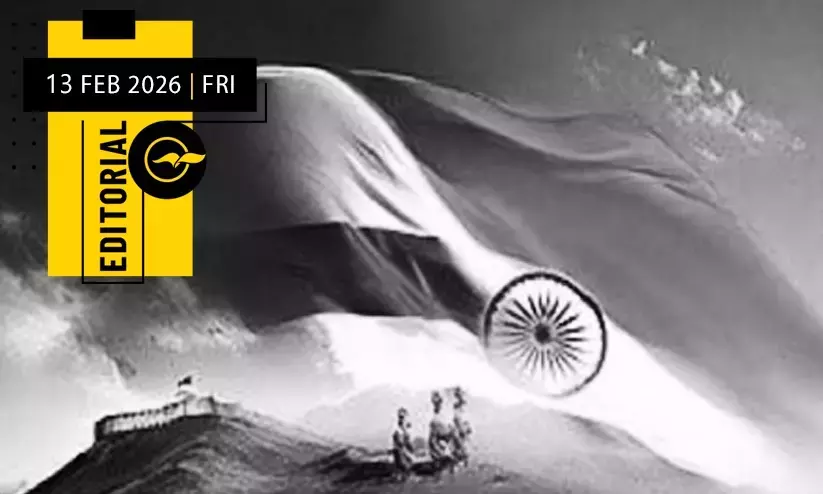

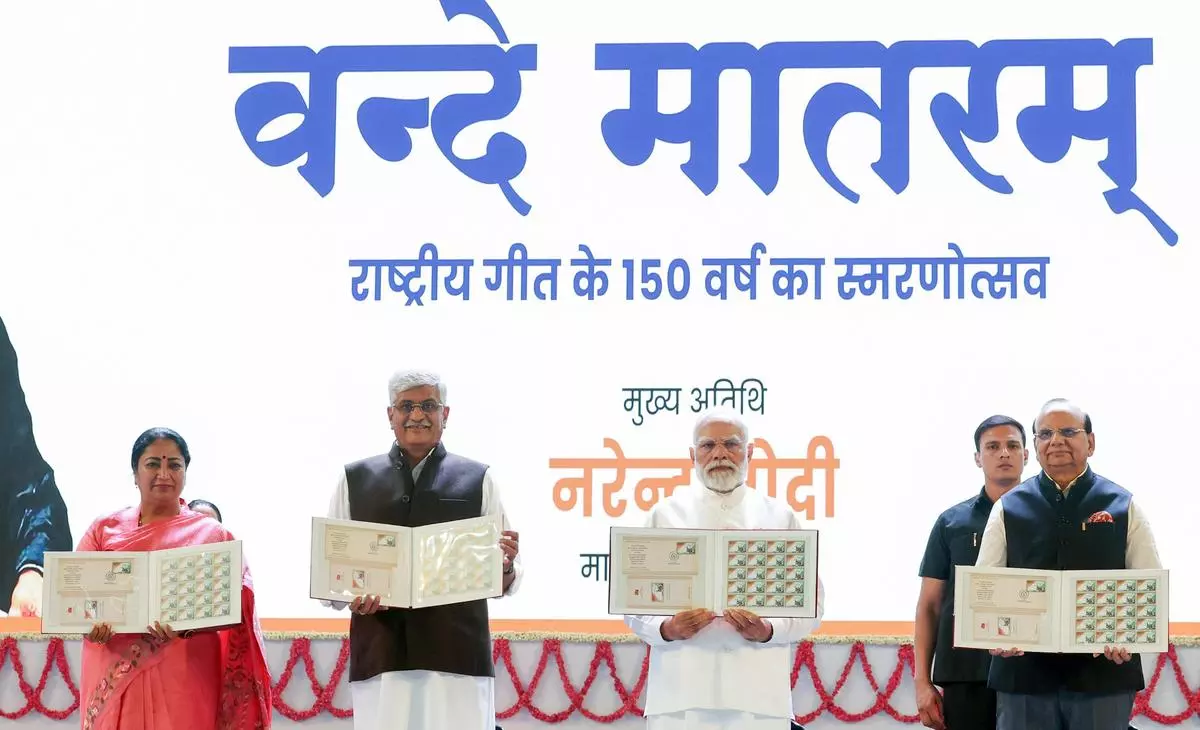
The Central government has issued an order giving priority to the national song 'Vande Mataram' over the national anthem 'Jana Gana Mana'. From now on, in events where both the songs have to be sung, Vande Mataram should be sung first. That too, -with all the six stanzas that have been highly controversial in terms of faith. With the new order, the singing of the national song has become mandatory in official programs of the President, governors and governments. There is also a suggestion that it should be sung in full in the morning on all working days in schools to instil petriotic sentiments consciousness in children. The UP government had made Vande Mataram mandatory in schools. It created a division there between those who sing and those who do not. The administration is deliberately leading the entire country, including children, to a state of conflict of otherness by dividing their hearts. In the political map of India, ‘Vande Mataram’ is not just a song that emotionally aroused national consciousness; it is also a symbol of the fierce riots and historical wounds inflicted on religious brotherhood. How sad that Bankim Chandra Chatterjee’s novel ‘Anandamath’, written during the turbulent times of famine and riots in Bengal in the late 18th century, and its six-stanza poem, is still allowed to carry echoes of the conflicts even after 150 years! In that novel, which envisioned the struggle of a group of Hindu saints against Muslim rulers and British rule, the nation was transformed into a deity to be worshipped.
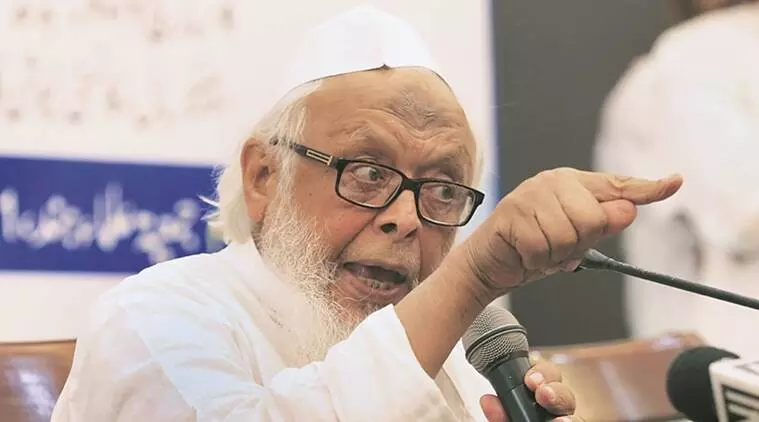
The concept of 'Bharat Mata' reflected in it was in line with the nationalist imagination formed by the upper-caste Hindu middle class during the freedom struggle. Therefore, this song was met with criticism and concern by Muslim and Sikh scholars and secular political leaders as early as in 1930s. They could not accept the idolatrous national image for religious and cultural reasons. It was by understanding and embracing this disagreement that, in 1937, leaders of the freedom struggle accepted only the first stanza as the national song, excluding the verses referring to idols and those that were warlike in nature. This was supported by Gandhiji and Tagore, who loved Vande Mataram very much. After independence, when it was decided to honour Vande Mataram along with ‘Jana Gana Mana’ under the leadership of Dr Rajendra Prasad, only the first two stanzas were officially adopted, respecting the diversity of India. Now, when the Modi government makes the entire Vande Mataram official, what is being cancelled is the broad nationalist vision formed through the vision of unity in diversity promoted by the nation builders. By making it mandatory to sing Vande Mataram before the national anthem, ‘Jana Gana Mana’, the BJP is aiming for a cultural hegemony rich in Hindutva symbols. They are once again turning Vande Mataram into a patriotic test object. The Muslim, who was once portrayed as a villain in ‘Anandamath’, is now branded as an enemy and an alien in the Hindutva India being created by the Sangh Parivar, by a single campaign of those who do not sing the national anthem.
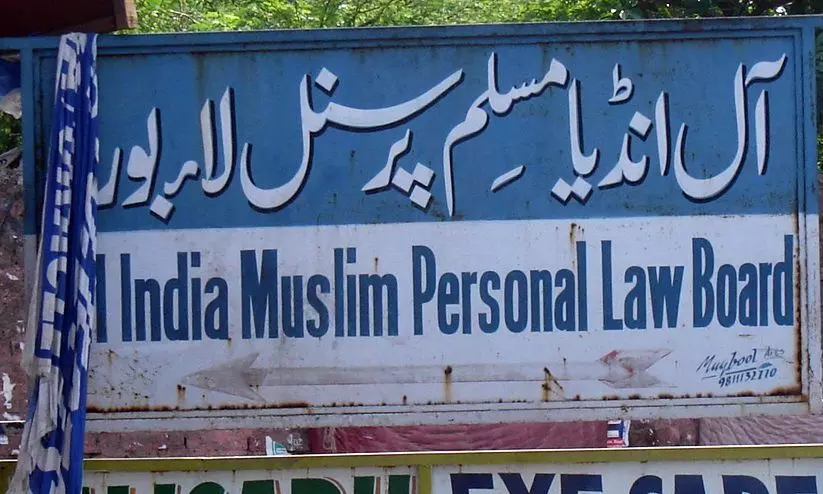
The question of which is greater, the nation or faith, will be raised naturally in every official programme of the governments. It is now becoming treason to cite the wise judgment of the Supreme Court in the 1986 Bijoe Emmanuel case, explaining Article 25 of the Constitution, that no one should be forced to sing even the national anthem. The Prime Minister's speech in the Lok Sabha convened on December 8 to commemorate the 150th anniversary of Vande Mataram also contained dangerous words that led to memories of partition and religious pollution that the country wants to forget. The Sangh Parivar is creating a divisive atmosphere by reviving old disputes related to nationalism through new rules and orders. The order also has a sinister intention of playing the Vande Mataram card in the upcoming Bengal elections to destroy Hindu-Muslim unity there. While legal experts have raised doubts about the constitutional and legal validity of this order, no one doubts that it will lead to deepening divisions among the people of the country, especially in Bengal. Anandamath and Vande Mataram were once used to divide Bengal. Is Vande Mataram supposed to play the same role in Hindutva India again? When will the country understand that forcibly imposing nationalism is not good for democracy?