







If not an ‘iron fist', can't there be at least a steely fist?
text_fields

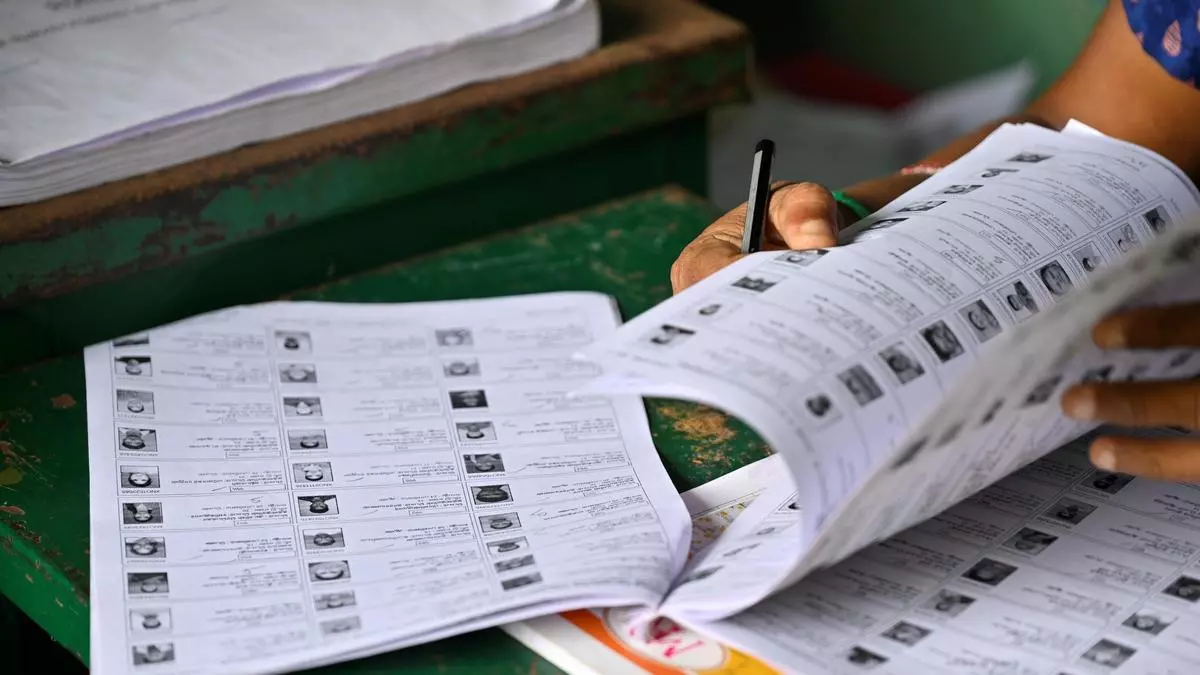
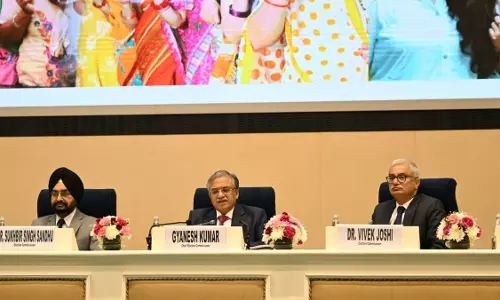
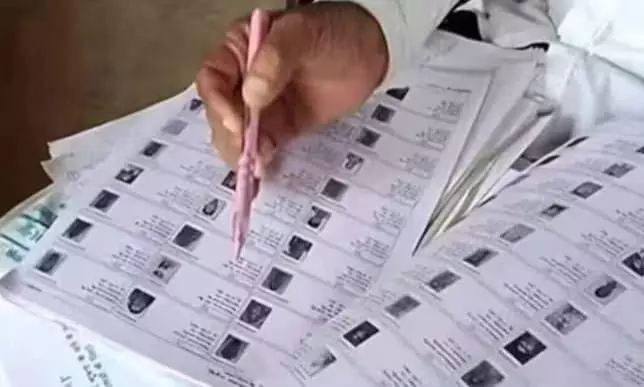
The Election Commission of India is rectifying, one by one, the errors it had committed. Although the Commission tried its best to shirk admitting these mistakes, it was ultimately forced to make a series of 'U-turns' in the face of irrefutable evidence. It was the data, the evidence, and public outrage that compelled the Commission to reconsider its actions. Even when it became necessary to reinstate the voters who had been removed from the rolls, the Commission initially attempted to mandate the use of 'Form 6' for their re-registration. By instructing citizens to sign a false declaration—stating that they were voting for the first time—the Commission not only violated the law itself but also coerced citizens into breaking it. It is only following the intervention of the courts that there has been a willingness to re-include [those excluded] via the enumeration form. The authority previously stripped from local officials will now be restored. There have been 'U-turns' regarding meetings, foreign trips, and IT projects. But is this enough? Shouldn't there be an element of accountability? When a constitutional institution commits such extensive violations of the law, are there truly no legal provisions to punish those responsible? Even after the series of corrections, fundamental issues remain. The opportunity for new additions is limited to the draft electoral rolls in the seven states where the 'Special Intensive Revision' (SIR) process is underway. This facility is not being extended to the 19 states and Union Territories where the SIR process has already been completed. This includes Uttar Pradesh—a state where elections are approaching—and where two crore (20 million) voters have been excluded.
Although revisions to the IT systems and software have been announced, there is no guarantee that these will be implemented effectively. Even as the system—which concentrates all authority within the Commission—undergoes changes, oversight will remain with the Senior Commissioner. It is also uncertain whether details regarding these changes will be made public. Much of the malpractices has occurred with the Commission's knowledge through 'Form 7'; countless voters have been removed from the rolls without even being given an opportunity to respond. Complaints and legal cases have emerged across various states. In states like West Bengal, Uttar Pradesh, Karnataka, Goa, and Rajasthan, crores of voters were excluded, while in Maharashtra, there was an anomalous increase of 40 lakh voters during elections. The Commissioner merely sought to justify all of this in one sweep. There is no guarantee that the changes now introduced will yield any genuine results, since the guilty are assured that they will not be punished.
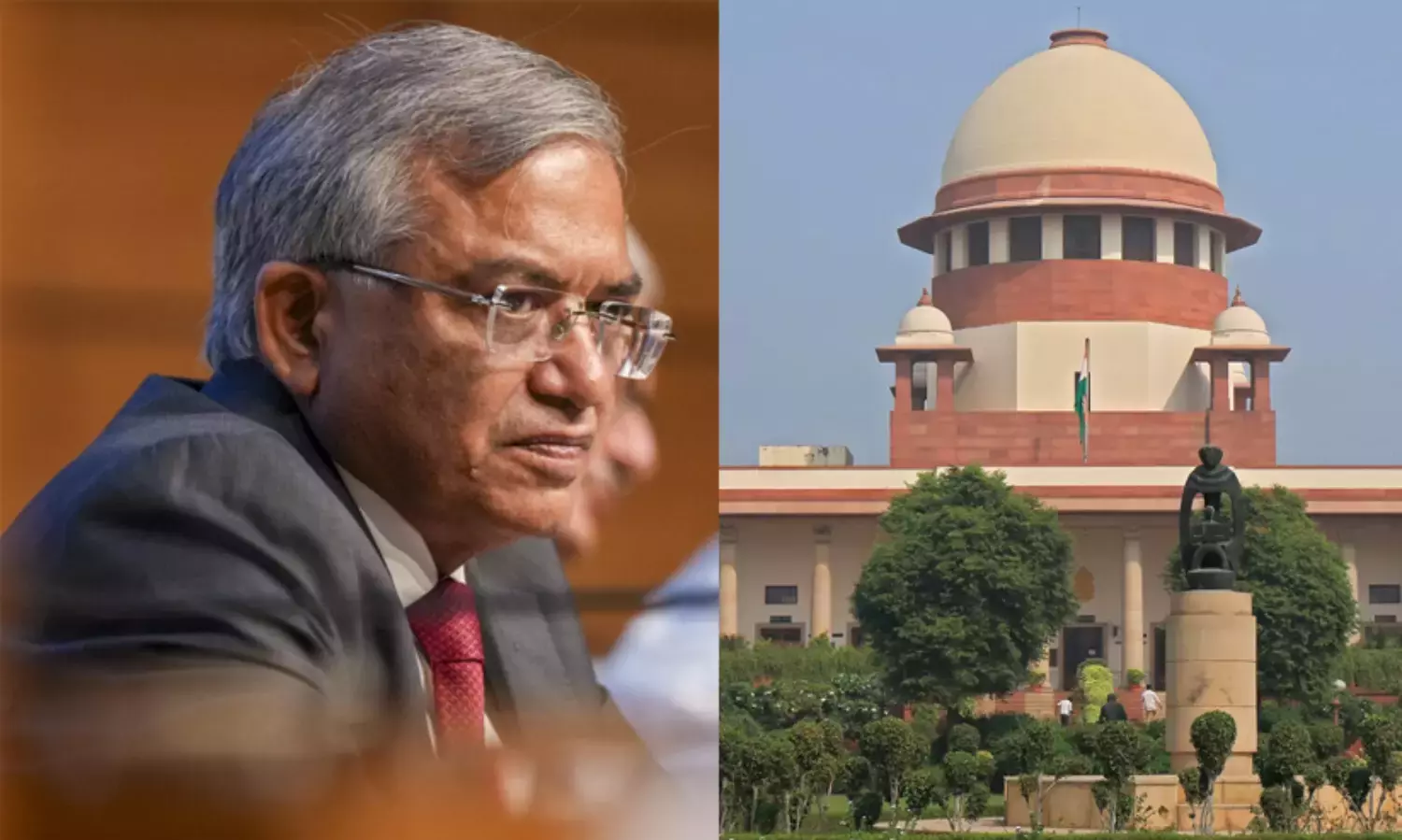
While the Election Commission bears responsibility for the disarray in the electoral landscape, the judiciary faces accusations of having paved the way for this situation. A law that grants the government the authority to appoint the Election Commission—while simultaneously stipulating that the Commission’s actions cannot be challenged in court—is in the very first plance fundamentally at odds with both the Constitution and common sense. Yet, the Supreme Court has not been able to take a stand on this matter. There are numerous allegations: that the Commission has acted in violation of the law; that it has consolidated all power by altering established procedures—exercising authority it does not possess—and that it has manipulated election results by arbitrarily adding or removing votes.
The Commission has failed to refute these claims; on the contrary, evidence confirming them continues to emerge. The indifference and sluggishness of the judiciary are causing public unease. Allegations have even surfaced suggesting that it was the Supreme Court—not the BJP—that defeated the Trinamool Congress in Bengal. The situation becomes increasingly critical as the crisis of credibility spreads from the Election Commission to the judiciary. Now, the Union Minister for Panchayati Raj has stated that government services and benefits will be distributed based on a voter list that has been proven to be unlawful. This constitutes a violation of the Supreme Court’s verdict dated May 27. The court, having registered a case against those who criticised the Chief Justice, warns that it will employ an "iron fist" in response. Yet, is the court helpless against the actions of the Election Commission—actions that strike at the very roots of the Constitution? If an "iron fist" cannot be used against such subversion, doesn't it need at least an "iron-clad" response? The court’s declaration that "the independence of the judiciary is not a matter of political convenience" is welcome; however, this principle must also apply to the Election Commission.