















A bedridden health model
text_fields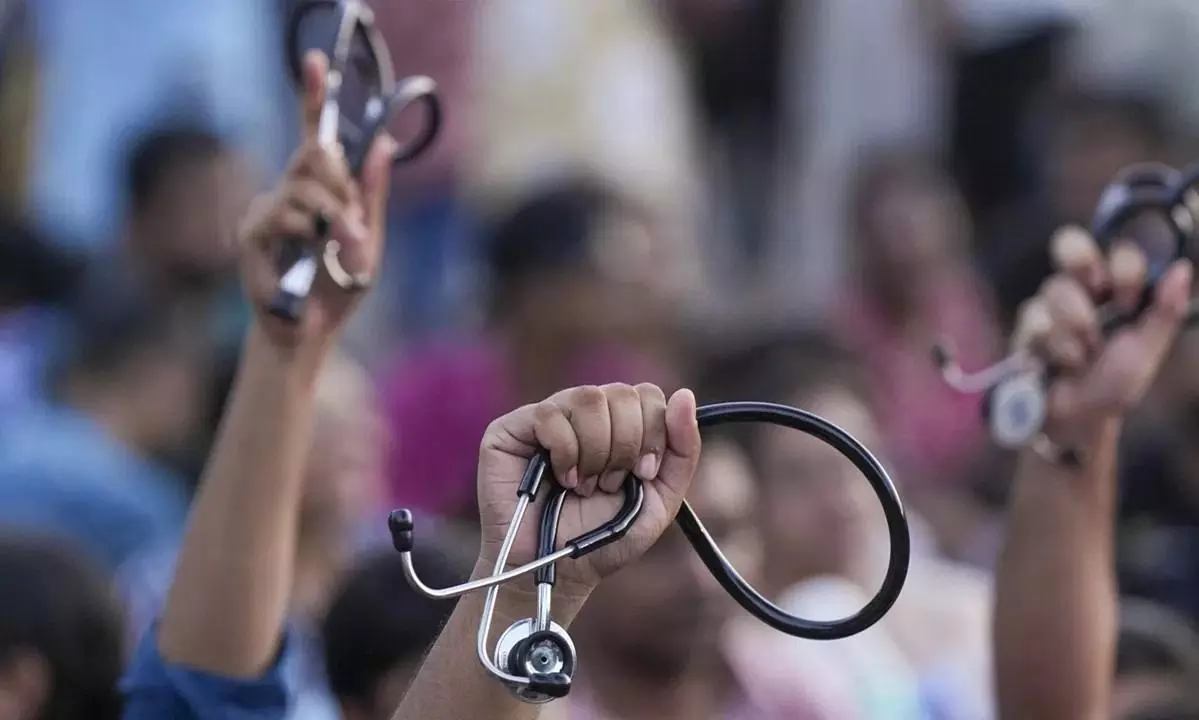

Kerala is a state that prides itself on having achieved many world-class milestones in the health sector. If we examine all health-related indicators, from life expectancy to maternal and infant mortality, it is evident that we are competing with Scandinavian countries. There is no dispute that all this became possible for us because of the health revolution that began in Travancore from the early 20th century and was further institutionalised and made more people-oriented after United Kerala became a reality. It is on the strength of this same health model that Kerala successfully fought off the Nipah and Corona viruses. When the presence of the Nipah virus, which had only recently been reported globally, was first confirmed in Kerala, we tackled it successfully using available resources. Even developed countries at the forefront of healthcare looked on with astonishment as the virus was brought under control within three weeks, despite the loss of 17 lives. This is one of the reasons why we were largely able to withstand the Covid threat. However, we cannot ignore the distortions that are occurring within this ‘health enlightenment’. It has become a daily occurrence that Keralites, who take pride in the health model, fall prey to fake medicine; monsoon diseases and Non-Communicable Diseases (NCD) such as diabetes are new challenges to the health model. The continued exclusion of Dalits and Tribes from the benefits of the health model is also a ‘system failure’. Another crisis is the inability of the authorities to safeguard the existing system. The confidence of health workers, including doctors, is essential for our system to remain robust. Unfortunately, the government has placed them on the opposing side. Doctors in government medical colleges have been compelled to stop work and go on strike over the basic demand of salary.
Doctors at government medical colleges have been on strike since last Monday under the leadership of an organisation called KGMCTA. Initially, there was an OP boycott, but since the previous day even surgeries have been suspended. At present, only emergency surgeries are being carried out in medical colleges. The question of how ethical it is for doctors to go on strike is being raised in this context. Yes; there is no dispute that treatment comes first in essential services. For that very reason, a strike by health workers is not desirable. It should also be noted that doctors in our state have rarely resorted to strikes, keeping in mind the spirit of the above-mentioned health model. Naturally, we must examine the background of this strike. In fact, this is not a sudden agitation. A token strike was held in July when the payment of long-pending salary arrears was indefinitely delayed and the government and the health department showed no readiness to resolve the issue. When that protest failed to yield results, the doctors were compelled to launch an OP boycott strike. The salaries of medical college doctors were revised ten years ago. Of this, four and a half years’ arrears remain unpaid. It must be remembered that the finance department is delaying payment for services rendered at the risk of life during the Covid period, citing flimsy excuses. On the other hand, the government is moving swiftly to revise the salaries of other government employees in view of the elections. At this stage, medical college doctors cannot be faulted if they feel ignored and humiliated. Therefore, the emotional dimension of the ongoing strike cannot be dismissed. Especially when the government resorts to heavy-handed tactics like 'dies non' to suppress the strike.
Even if we accept that the doctors’ strike is justified, it is dangerous for it to continue indefinitely. Ultimately, the poor who depend on government medical colleges will be the first to suffer. Therefore, the government must urgently find a solution to the legitimate demands of the striking doctors. The doctors in our medical colleges are highly talented. The health model here stands illuminated by that talent. It is worth recalling that they overcame the health emergency created by Nipah within limited systems. The government must recognise the reality that this skilled medical community is not being paid in accordance with their ability. They must be given their due wages and the arrears should be disbursed without delay. Otherwise, many of them may move to private hospitals. In that case, the loss would be to the health model and its beneficiaries, the common people. Therefore, the government should drop its arrogance and prepare for talks; doctors too must reconsider strike tactics that deny treatment.