
















Mine-clearing in Strait of Hormuz could take weeks, delaying return of shipping traffic
text_fields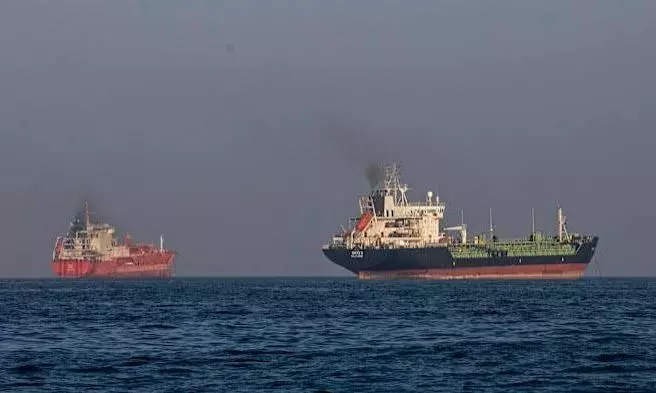

The reopening of the Strait of Hormuz may not immediately restore normal shipping operations, as clearing potential naval mines from the strategic waterway could take several weeks, according to maritime security and shipping industry sources.
Assessments from five Western maritime security sources indicate that mine-clearing operations using conventional minesweepers and underwater drones could continue for 40 to 50 days before shipping companies, insurers, and oil traders regain confidence in the route.
The Strait of Hormuz handled about 20 per cent of global oil and liquefied natural gas supplies before the conflict between the United States and Iran disrupted traffic through the corridor.
Industry officials say uncertainty over the presence of naval mines remains a major concern despite a preliminary US-Iran agreement to reopen the waterway.
"It is very risky for ships to commence transits at this point," said Jakob Larsen, chief safety and security officer at shipping association BIMCO. He said mine-free routes would need to be established before normal traffic could resume.
It remains unclear how many mines Iran may have deployed in the strait. Tehran has threatened in the past to mine the waterway but has not publicly confirmed whether any mines were laid.
US Secretary of State Marco Rubio told a Senate hearing on June 2 that Iran had mined large sections of the Strait of Hormuz, though he did not provide further details. Germany's navy later said information from US and British naval forces indicated mines had been detected at four locations around the strait, although the findings could not be independently verified.
The US military's Central Command has said efforts to ensure the strait is clear of mines are ongoing, but declined to provide operational details.
Shipping industry officials noted that even a single mine could pose a serious threat. A fully loaded supertanker and its cargo can be worth around $300 million, making insurers and operators reluctant to resume normal operations without clear safety assurances.
Traffic through the strait remains far below pre-conflict levels. While an estimated 120 to 140 vessels used the route daily before the war, recent shipping data shows only 12 to 15 vessels transiting each day.
Britain, France, and Germany have deployed naval assets, including minesweepers, to the region in anticipation of possible mine-clearing operations.
The head of the International Maritime Organization, Arsenio Dominguez, welcomed the agreement to reopen the strait but cautioned that restoring full maritime operations would take time.
"Implementation will require time to ensure that all necessary safety and security guarantees are in place," he said.