
















Pak’s highest civilian honour for 2 Mumbai doctors who kept Jinnah’s terminal illness secret
text_fields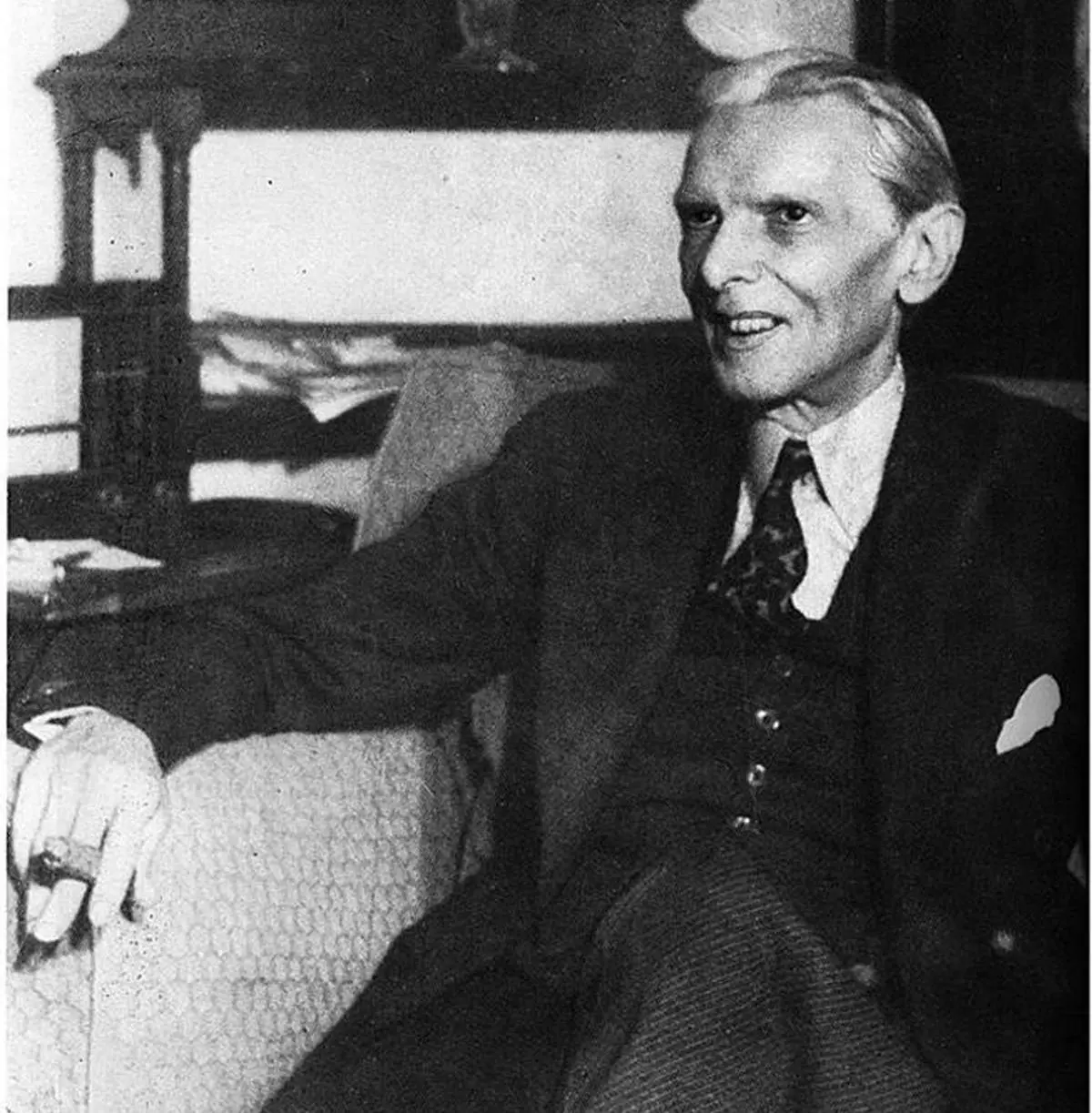
Photo: The Hindu

Pakistan has announced that it will posthumously confer its highest civilian honour, the Nishan-e-Imtiaz, on two Mumbai-based Parsi doctors who reportedly kept Muhammad Ali Jinnah’s terminal illness confidential in the years leading up to Partition.
The Pakistan Cabinet’s official awards list named Jinnah’s physician, Jal Ratanji Patel, and radiologist Jal Daeboo as recipients. Some members of the Parsi community, however, believe that “Daeboo” may be a misspelling of the surname Deboo, Scroll.in reported.
Jinnah, Pakistan’s founder and first president, was suffering from tuberculosis around the time of Partition, which had severely damaged his lungs. He died on September 11, 1948, a little over a year after the creation of Pakistan.
In their 1975 book Freedom at Midnight, authors Dominique Lapierre and Larry Collins argued that knowledge of Jinnah’s terminal illness could potentially have influenced the course of events surrounding Partition. They suggested that if Lord Louis Mountbatten, the last Viceroy of British India, had known how seriously ill Jinnah was, he might have considered delaying the transfer of power and the creation of Pakistan.
Pakistan Planning Minister Ahsan Iqbal echoed this view in a social media post, saying that Mountbatten had later indicated that knowledge of Jinnah’s condition might have led him to postpone Partition, potentially changing the course of history. Iqbal said the doctors’ decision to maintain professional confidentiality had, perhaps unintentionally, contributed to the circumstances in which Pakistan came into existence.
According to Lapierre and Collins, Patel diagnosed Jinnah with chronic tuberculosis in 1946, although the authors did not mention Deboo. Deboo is believed to have examined Jinnah’s X-rays.
The authors wrote that Patel had warned Jinnah that he might have only one or two years to live unless he significantly reduced his workload, rested more, and gave up cigarettes and alcohol. However, Jinnah reportedly rejected the suggestion that he could step back from his political responsibilities and continued working.
Lapierre and Collins further wrote that Jinnah received secret injections from Patel every two weeks but did not substantially follow his doctor’s advice regarding rest and his lifestyle.
Partition eventually triggered one of the largest mass migrations in history, with lakhs of Hindus, Muslims and Sikhs crossing the newly created borders between India and Pakistan. The communal violence accompanying the upheaval claimed an estimated two lakh to 10 lakh lives.