













A vetoed UN resolution before the ceasefire: China, Russia veto UNSC resolution asking Iran to stop attacks
text_fields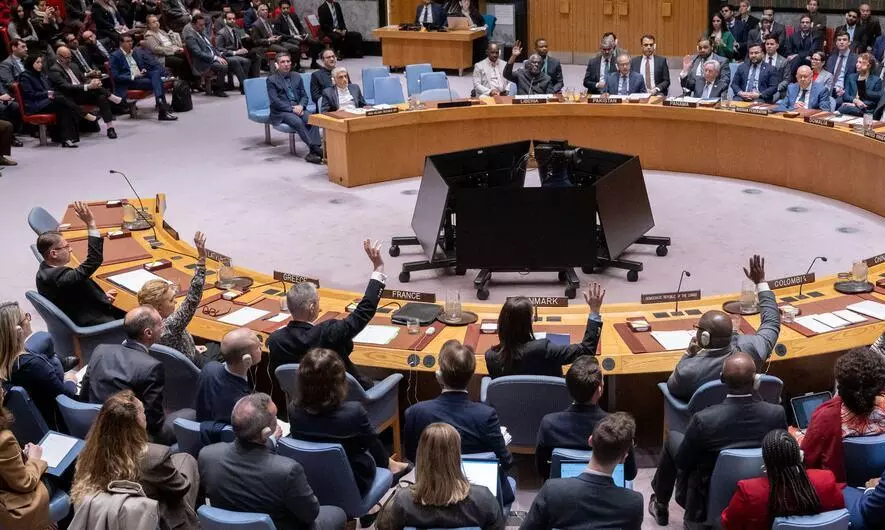
Voting at the UN Security Council on the resolution regarding Iran's actions (courntesy: UN website)

New York: Before the US and Iran decision for a two-week ceasefire in West Asia kicked in early Wednesday, a resolution was tabled on Tuesday by Bahrain in UN Security Council, but it was vetoed by China and Russia.
The resolution was claimed to be aimed at boosting security in the Strait of Hormuz, the shipping corridor that has remained closed for several weeks affecting global trade and transport of vital humanitarian aid.
According to the UN website, eleven countries voted in favour of the draft, which was vetoed by permanent members China and Russia while Colombia and Pakistan abstained.
The draft resolution sought to "strongly encourage States interested in the use of commercial maritime routes in the Strait of Hormuz – which lies between Iran, Oman and the United Arab Emirates" – and to “coordinate efforts” defensively, to ensure the safety and security of navigation, including the use of escorts for merchant and commercial vessels.
The substantive part of the resolution asked Iran to immediately cease all attacks on shipping and attempts to impede transit or of navigation in the strait.
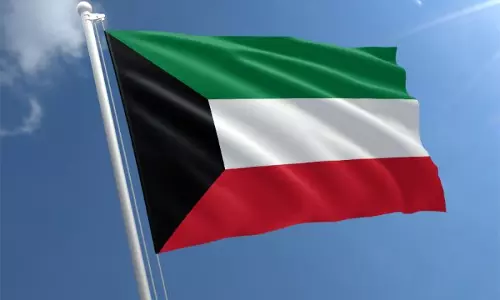
Bahrain along with Jordan, Kuwait, Qatar, Saudi Arabia and the UAE submitted the resolution. After the decision, Bahrain’s Foreign Minister Abdullatif bin Rashid Al Zayani expressed regret on their behalf, saying it sent the wrong signal to the world. His remarks also referred to ‘illegal conduct that requires decisive action with no delay’ thereby pointing an accusative finger at Iran which took the decision on Hormuz closure.
United States Ambassador Mike Waltz also expressed US support to the Bahraini stand on the issue, and referred to Iran’s holding 52 American diplomats and citizens hostage in the US embassy in Tehran for 444 days until their release in January 1981.
“Now it’s taking the Strait of Hormuz hostage, and with it, attempting to take the world’s economy hostage. Well, colleagues, that may be its last act. We’ll see,” he said.
He stressed that “the Strait of Hormuz is too vital to the world to be used as hostage, to be choked, to be weaponized by any one State.”
But Russia’s Ambassador Vassily Nebenzia said that the resolution amounted to putting all the blame on Iran while illegal attacks by the United States and Israel were “not mentioned at all”.
Chinese Ambassador Fu Cong said the draft “failed to capture the root causes and the full picture of the conflict in a comprehensive and balanced manner.”
Iran’s Ambassador Amir Saeid Iravani said the draft sought “to punish the victim for defending its sovereignty and vital national interests in the Persian Gulf and the Strait of Hormuz, while providing political and legal cover for further unlawful acts by the aggressors.”