


















How plum cake became Kerala’s Christmas cake
text_fields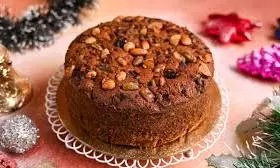

In Kerala, Christmas has a distinct smell. It is not chocolate or spices alone, but the deep, intoxicating scent of caramelised sugar, dry fruits, butter, and rum.
Long before the Christmas tree is decorated or the crib is set up, plum cake appears in bakeries, wrapped in brown paper.
Over time, it has become impossible to imagine a Malayali Christmas without it.
But how did cake – an unmistakably European dessert – become an essential part of Kerala’s Christmas season?
The answer lies in colonial history rather than religious tradition. Christianity reached Kerala as early as the first century through St. Thomas, but plum cake did not belong to the culinary repertoire of the ancient Syrian Christian community.
Traditional festive foods were rice-based dishes, meats, and local sweets.
Plum cake entered Kerala much later, during British colonial rule, when English-style fruitcakes arrived with British officials and Anglo-Indian households, particularly in port cities like Kochi.
Interestingly, plum cake never contained plums in the first place. In old English usage, the word “plum” referred broadly to dried fruits such as raisins and currants. Kerala adopted the name wholesale, even though fresh plums were neither used nor locally available.
Instead, local bakeries substituted imported dried fruits like almonds with what was easier to source, while retaining the structure and richness of the original English fruitcake.
One of the reasons plum cake thrived in Kerala was its practicality.
Traditional fruitcakes were soaked in alcohol – usually rum or brandy – which acted as a preservative. In a hot, humid climate, this made perfect sense. The cake could be baked weeks in advance, transported easily, and stored without refrigeration.
Over time, alcohol-soaked fruits became not just a functional choice but a ritual, inseparable from the identity of the cake.
By the mid-20th century, Kerala’s bakeries had fully localised plum cake. Cashews replaced almonds, caramelised sugar replaced molasses, and local rum replaced imported spirits. The spice profile subtly shifted to suit Malayali palates.
What emerged was no longer a British fruitcake, but something distinctly Kerala-style – dense, dark, and intensely aromatic.
Equally important was Kerala’s strong gift-giving culture during Christmas.
Plum cake is easy to slice, share, and transport. It symbolised abundance and celebration, and soon crossed religious boundaries. Hindus and Muslims began buying plum cake during the season, cementing it as a cultural rather than purely Christian symbol.
Industrial bakeries eventually sealed plum cake's status. By producing plum cake almost exclusively during the Christmas season, they tied it firmly to a sense of time and memory.
Today, plum cake is more than a dessert. It is a seasonal marker – a reminder that Christmas has arrived in Kerala.