

















Gen Z tired of digital world; ‘analog lifestyle’ trends on social media
text_fields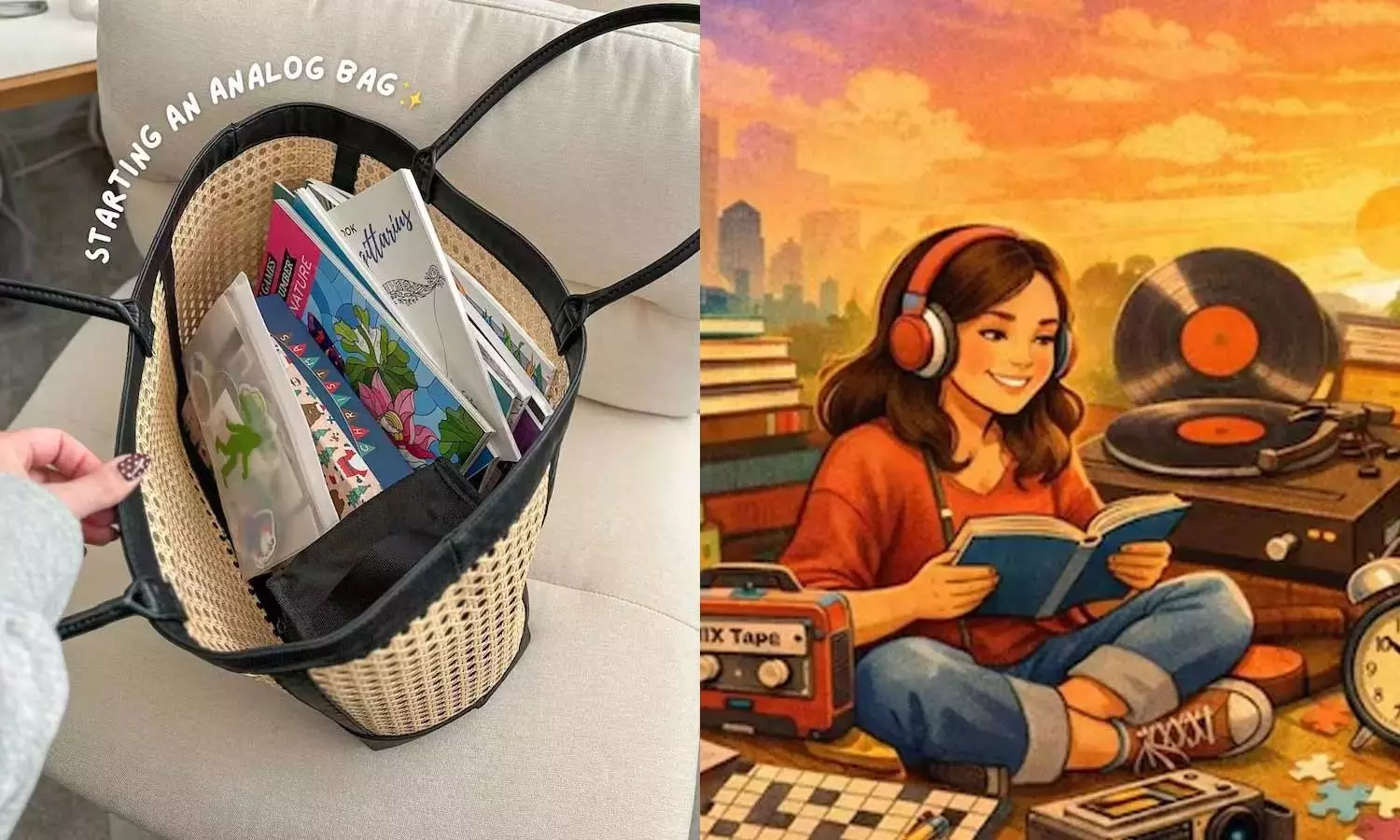

People wake up to screens and sleep scrolling through them. Emails, social media, news—constant digital engagement defines modern life. But in 2026, Gen Z and millennials are pushing back against this digital stranglehold, embracing an analog lifestyle that prioritizes real-world experiences, reading, and offline connections.
The irony? This offline trend spreads through the very social media it's meant to escape. Users share their analog journeys on Instagram—swapping digital habits for tangible ones like journaling, letter-writing, reading physical books, and completely ditching screens for daily activities.
Blinkit bags now carry craft supplies, pens, paper games, magazines, board games, film cameras, and tape recorders. Many report genuinely enjoying these hands-on experiences over endless scrolling.
From comics and coaster painting kits to vinyl records' global revival, subtle shifts reflect a craving for offline living. "Digital sunsets"—limiting screens an hour before bed—act like a daily digital fast. Analog bags keep phones out of reach while stocking boredom-busters like mini knitting kits, puzzles, journals, canvases, or Lego.
People crave authentic engagement. Flipping a vinyl record on a player demands full presence, no frantic Spotify "next" button taps. This analog resurgence champions direct connections and offline luxury.
For millennials, it evokes childhood nostalgia; for Gen Z, it's a fresh discovery. Many ditch 10-minute deliveries from Blinkit or Instamart, returning to local markets. Rising mental health awareness fuels this, constant screens kill creativity, foster passivity, and breed stress. Simple acts like reading a physical book daily, using paper planners, or listening to cassette tapes cultivate calm and mindfulness.
Analog living doesn't mean total tech rejection, that's unrealistic today. Instead, it sets boundaries, reclaims time, curbs overstimulation, and fosters meaningful interactions. Start with library visits, embroidery classes, vinyl or cassette music, paper planners over digital calendars, traditional alarm clocks, home cooking, new hobbies, or handwritten letters.