













Kerala toddler death: Post-mortem reveals 51 injuries, weeks of abuse
text_fields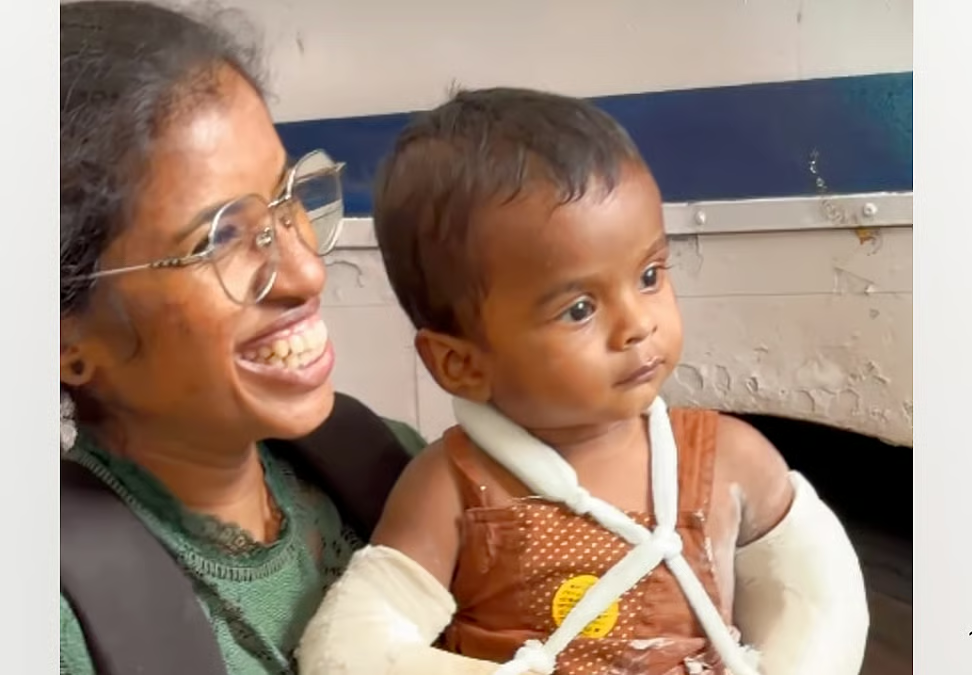

Thiruvananthapuram: Shocking details have emerged in the death of a one-and-a-half-year-old boy in Kerala, with the post-mortem examination revealing that the child had sustained 51 injuries and allegedly suffered weeks of brutal physical abuse before his death.
The toddler, identified as Arshid, died on May 29. His mother, Akhila, and her live-in partner, Ashkar, have been arrested by Nedumangad Police in connection with the case. The child was from Akhila’s first marriage.
According to senior police officials, the post-mortem report presents a disturbing account of prolonged torture. Doctors found around 51 injuries across the child’s body, including a fatal head injury, multiple external wounds, and severe internal bleeding. Police said the combination of head trauma and internal injuries caused the toddler’s death.
Investigators said medical findings suggest the child was subjected to systematic physical assaults over a period of two to three weeks prior to his death. The report also noted the presence of both fresh and older injuries, indicating repeated abuse over time.
A senior police officer told PTI that the child endured “extremely brutal physical abuse,” adding that the evidence pointed to sustained assaults over several weeks leading to his death. One of the most disturbing findings was that both of the toddler’s arms were fractured.

Police said the child had received medical treatment weeks earlier for injuries, and it was allegedly claimed at the hospital that the fractures resulted from a fall from stairs. Investigators now suspect the injuries were inflicted due to assault.
Officials believe the child had become an obstacle in the relationship between Akhila and Ashkar. According to investigators, Ashkar allegedly assaulted the boy repeatedly, while Akhila failed to intervene or alert authorities despite being aware of the abuse.
The case came to light after the child’s grandparents raised suspicions over the injuries on the toddler’s body. The maternal grandmother alleged that the boy had no injuries when he was taken away by Akhila, but fresh injuries began appearing repeatedly thereafter.
Family members also alleged that the child had circular burn marks on different parts of his body, raising fears of torture.
Initially, Ashkar told police that the child suddenly began coughing and vomiting after eating food and drinking water on May 29 before going to sleep. He claimed the toddler later became unconscious and was rushed to the hospital by ambulance. The child was first taken to a nearby hospital and later shifted to SAT Hospital in Thiruvananthapuram, where doctors declared him dead.

However, post-mortem findings led police to register a murder case and arrest both Ashkar and Akhila. Ashkar has been charged with murder, while serious charges have also been invoked against the child’s mother. Police said additional charges may be added depending on the investigation.
Thiruvananthapuram Rural Police are also probing whether the accused acted alone or if others were aware of or involved in the abuse. Officials said anyone found complicit or knowingly ignoring the abuse will also be made an accused.
Meanwhile, fresh allegations have emerged against Ashkar from the family of his first wife, Amina. Relatives alleged that he subjected her to prolonged physical violence, leaving her bedridden and unconscious for nearly a year. They also claimed he is still legally married to her.
Police are planning to seek Ashkar’s custody again for further interrogation and are also investigating claims related to the suspicious death of his first wife’s brother and his alleged past violent behaviour.
Following public outrage over the toddler’s death, tense scenes were reported when police took Ashkar to his residence for evidence collection, where an angry crowd gathered and attempted to attack him before officers intervened.

The investigation is ongoing, with post-mortem findings painting a deeply disturbing picture of prolonged abuse and suffering before the child’s death.
With PTI inputs