

















West Asian conflict to affect India severely & directly: Gita Gopinath
text_fields

New Delhi: A widening conflict involving the United States and Iran, along with the broader instability in West Asia, is set to hit the Indian economy hard, according to economist Gita Gopinath.
Gopinath, a former Deputy Managing Director of the IMF, has flagged India as one of the countries most directly exposed to the fallout of the crisis, even as the full economic impact is yet to be fully visible. The warning comes at a time when supply disruptions and geopolitical uncertainty are beginning to strain key sectors.
The conflict is already affecting India’s oil and gas imports, while exports from the country are also taking a hit. In addition, remittances from Indian workers in Gulf countries are expected to come under pressure, raising concerns over a crucial source of foreign exchange inflows.
The situation is not limited to inflationary risks. Supply shortages are emerging as a more serious threat. Disruptions in shipping routes from the Middle East have led to fuel transport issues, with India already facing shortages of LPG cooking gas. Beyond oil and gas, the supply of essential inputs such as fertilisers, helium and sulphur has also been affected.
The current crisis differs significantly from the economic shock triggered by the Russia-Ukraine war. Unlike 2022, when inflation surged sharply due to a spike in demand following the Covid-19 pandemic, global demand conditions are relatively subdued this time. India has also diversified its sources of crude oil, and there has been a gradual shift towards cleaner energy, which has so far helped prevent a steep rise in prices.
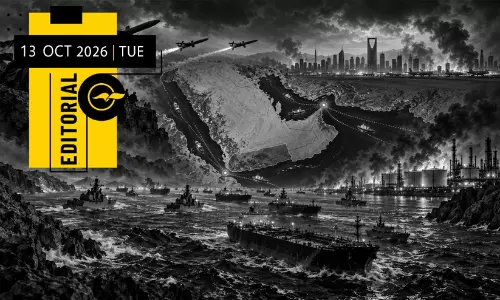
However, the disruption around the Strait of Hormuz has widened the impact beyond energy markets, affecting multiple commodities and countries. Fertiliser shortages, in particular, could have a cascading effect on agriculture, potentially reducing crop output and pushing up food prices.