



















TCS Nashik case: APCR exposes gap between evidence & ‘jihad’ narrative
text_fields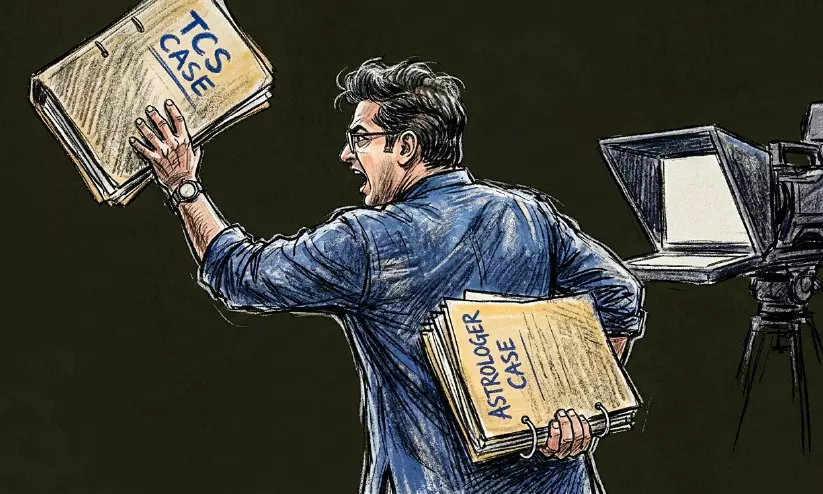

Mumbai: A probe conducted by the Association for Protection of Civil Rights (APCR) Maharashtra unit has highlighted a stark mismatch between documented evidence and the narrative circulating publicly in the alleged misconduct and religious coercion case at the Tata Consultancy Services facility in Nashik, Maktoob Media reported.
Following a field visit and review of FIRs, court documents, media reports, and interactions with stakeholders, the team concluded that the claims are still under active investigation and lack definitive evidentiary backing at this stage. While certain complaints mention statements perceived as religiously sensitive, investigators have not established any organised attempt at religious conversion, with each allegation being handled separately.
The findings also draw attention to the growing disconnect between verified facts and amplified public discourse, where terms like “corporate jihad” and “love jihad” have gained traction without substantiated proof.
Diverging accounts have emerged over workplace grievance systems, as complainants allege a hostile environment and ineffective redressal, whereas the company insists no formal complaints were lodged through official channels prior to police action.
The report further questions media portrayals of individuals such as Nida Khan, noting discrepancies between reported roles and the company’s clarification of her position. Nida Khan has been portrayed by the media, mostly those affiliated with the right-wing, as “HR manager” and “mastermind.” However, the company had clarified that he did not hold any position of authority within the organisation.
Families of the accused, including those linked to Raza Memon, have denied wrongdoing and suggested that personal disputes may have been escalated into criminal allegations.
With nine FIRs filed, primarily targeting Danish Shaikh, defence representatives argue the case stems from a relationship that later soured, while raising concerns over the rapid escalation and the broader impact of heightened media coverage.