












Why do Muslims oppose the full rendition of 'Vande Mataram'?
text_fields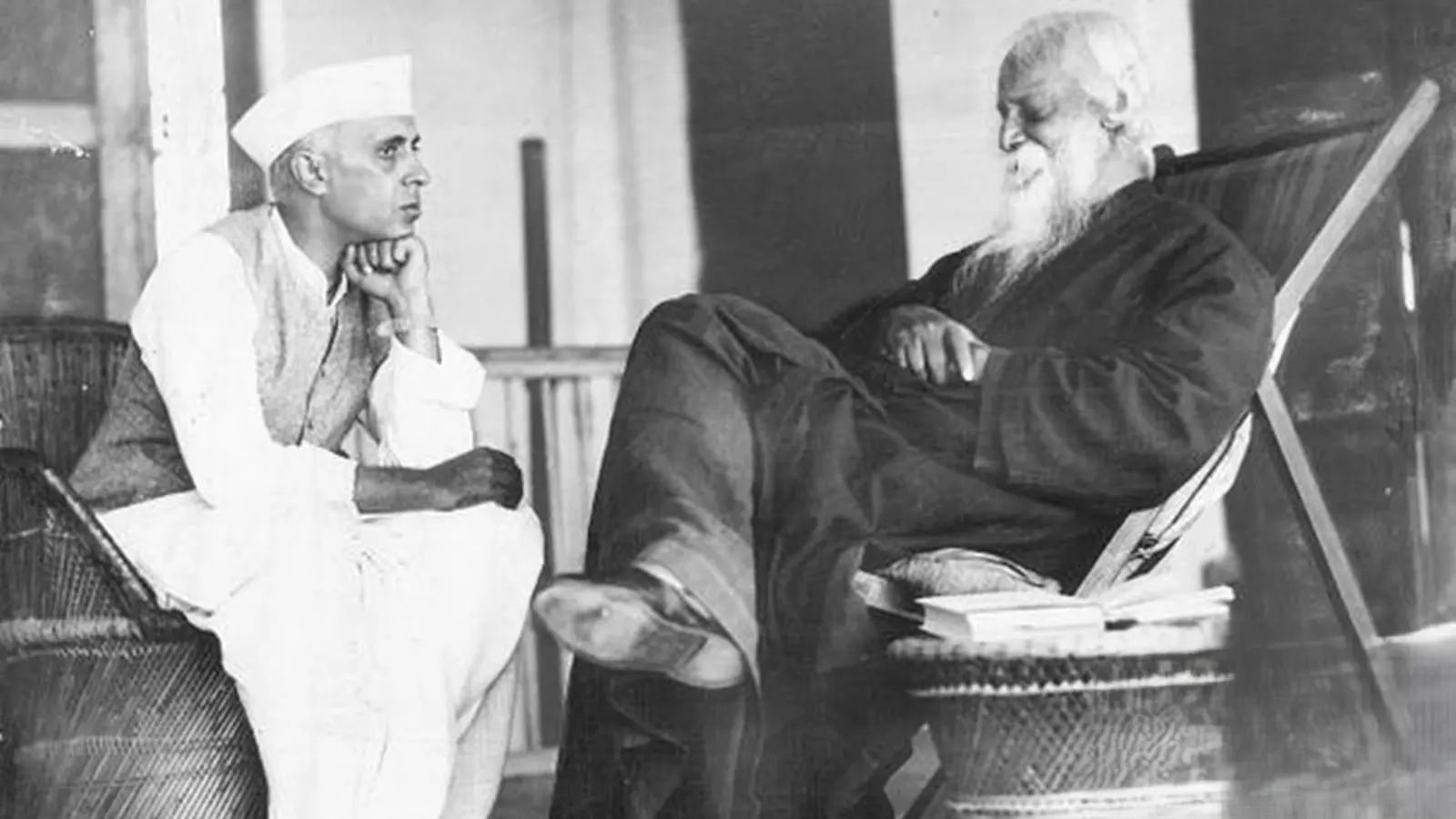

In the wake of the controversy surrounding the singing of Vande Mataram during the swearing-in ceremony of the newly elected UDF government in Kerala, where the CPI(M) alleged that the Congress was playing a double standard by allowing the singing of Vande Mataram in the state while voicing opposition to its compulsion by the BJP government, and while the BJP’s MLA from Kerala expressed his anguish that the song was not sung in full, it is imperative that the historical background be known.
It was written by Bankim Chandra Chatterjee and published in his novel Anandamath (1882), which is set during the period of the Bengal Famine, while Rabindranath Tagore is said to have told Jawaharlal Nehru about the issue with the song, accepting the first two stanzas while observing that the remaining portions could hurt Muslim sentiments, given the context.
The controversy resurfaced after the newly formed UDF government chose to play the truncated version of Vande Mataram in the Kerala Assembly ahead of Governor Rajendra Vishwanath Arlekar’s policy address on Friday, defying explicit directions from the Raj Bhavan to play the unabridged version.
The decision came days after Chief Minister VD Satheeshan admitted that he had been unaware of the move to play the complete rendition during the ministers’ swearing-in ceremony on May 18.
The dispute, however, is far older than the present political acrimony. In 1937, amid intense deliberations over the song’s national status, Tagore wrote to Nehru stating that while the first two stanzas were wholly acceptable, he dissociated himself from the remaining verses, observing that they could legitimately offend Muslims because of their association with Anandamath.
Nehru, in correspondence with poet Ali Sardar Jafri, similarly argued that the public imagination had embraced only the opening stanzas, detached from the ideological thrust of the novel itself.
Carnatic musician and author TM Krishna, in his book We, the People of India: Decoding a Nation’s Symbols, argues that the later stanzas transformed Vande Mataram from an evocative ode to the motherland into a militant invocation steeped in Hindu majoritarian fervour, according to a report published in The News Minute.
Within Anandamath, the song accompanies violent campaigns by Hindu ascetics against Muslims. At the same time, the narrative itself depicts Muslims not merely as political adversaries but as a civilisational enemy to be annihilated.
It was this combustible ideological inheritance that compelled the Congress, under Nehru’s leadership, to adopt only the first two stanzas at national gatherings in 1937, before independent India accorded the truncated version the status of the National Song in 1950.