













SC orders fresh passport, visa tender for UAE, 3 other Indian missions
text_fields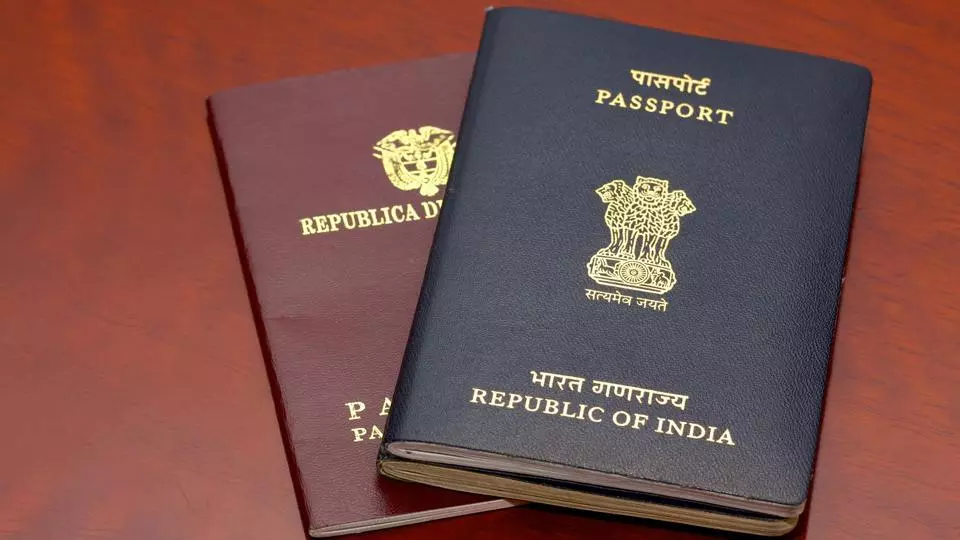

New Delhi: The Supreme Court on Monday declined to interfere with the Delhi High Court's judgment setting aside the technical evaluation process for outsourcing Consular, Passport and Visa (CPV) services at Indian Missions in Abu Dhabi (UAE), Kuwait, Singapore and Canberra (Australia), while directing the Ministry of External Affairs (MEA) to complete a fresh tender process within three months.
A Bench comprising Chief Justice of India (CJI) Surya Kant and Justices Joymalya Bagchi and V. Mohana dismissed the Centre's special leave petition (SLP) challenging the Delhi High Court verdict.
During the hearing, Solicitor General Tushar Mehta, appearing for the Centre, argued that the Delhi High Court had erred in quashing the tender process, contending that the evaluation criteria had been applied based on each bidder's individual competence.
Mehta also sought liberty to approach the Delhi High Court again with additional reasons supporting the tender evaluation. However, the apex court declined to interfere with the High Court's ruling and dismissed the Centre's plea.
To ensure passport, visa and consular services at Indian Missions abroad are not disrupted, the Supreme Court modified the High Court's directions by allowing interim arrangements until the fresh tender process is completed.
The Bench headed by CJI Surya Kant directed that the MEA may continue with the existing service providers if their performance has been satisfactory or engage any other agency, including the existing L-1 bidders, during the interim period.
The court clarified that the interim arrangement would be purely temporary, would not create any special equities in favour of any party and would remain subject to the outcome of the fresh Request for Proposal (RFP) process.
It further directed the MEA to complete the fresh tender exercise as expeditiously as possible, preferably within three months, in compliance with the Delhi High Court's directions. The court added that the interim arrangement would be without prejudice to the rights and contentions of all parties.
In its July 15 judgment, the Delhi High Court had set aside the technical evaluation process for outsourcing CPV services at the four Indian Missions, holding that the assessment of bidders was vitiated by "arbitrariness, irrationality and lack of transparency", in violation of Article 14 of the Constitution.
A Division Bench of Justices Anil Kshetrapal and Shail Jain allowed petitions filed by E Trav Tech Limited and Verasys Limited, which had challenged their disqualification at the technical bid stage in tenders floated by the MEA.

The High Court observed that while courts ordinarily do not sit in appeal over technical assessments made by expert bodies, judicial review was warranted where the decision-making process was arbitrary, opaque and failed to meet the constitutional standards of fairness, transparency and equality.
The High Court had also quashed the award of contracts to the successful private bidders and directed the MEA and the concerned Indian Missions to issue fresh RFPs. At the same time, it permitted the existing service providers to continue operations until the fresh tender process was completed to prevent disruption of public services.
The Centre subsequently moved the Supreme Court against the High Court's judgment. On July 17, Solicitor General Mehta mentioned the matter before the apex court seeking an urgent hearing, following which it was listed for hearing on Monday.
With IANS inputs