













US sanctions ICC hours after Navi Pillay wins Nobel Peace Prize
text_fields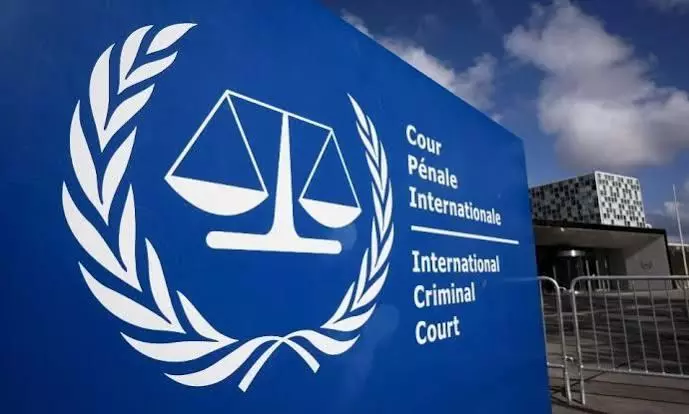

The Donald Trump administration has imposed sanctions on the International Criminal Court (ICC), hours after former ICC judge Navi Pillay won the 2026 Nobel Peace Prize.
The move is escalating Washington’s confrontation with the global war crimes tribunal and raising tensions with European allies.
The sanctions could restrict companies from providing services to the court, potentially affecting its access to banking, insurance, software and other essential services, Reuters reported. The measures go beyond earlier US sanctions targeting individual ICC prosecutors and judges.
US Secretary of State Marco Rubio said the administration would not allow the court to prosecute American citizens. “President Trump will never allow the International Criminal Court to prosecute Americans.”
Rubio described the ICC as a rogue court and said Washington would prohibit transactions with the institution to cut off its resources and impair its operations. He warned that the court must end its threats or face the consequences, adding that the US expected its allies to rein it in.
Washington has long opposed ICC actions, particularly arrest warrants issued against Israeli officials, including Prime Minister Benjamin Netanyahu. The US has also objected to an earlier investigation into the conduct of American soldiers in Afghanistan, which the court has since closed.
Founded in 2002, the ICC prosecutes individuals accused of war crimes, crimes against humanity and genocide. It has 125 member countries and is headquartered in The Hague, Netherlands. All European Union nations are members, as are all NATO countries except the US and Turkey.
Pillay, a South African jurist, received the 2026 Nobel Peace Prize for her work in international criminal justice. She served in the ICC’s Appeals Chamber from 2003 to 2008. The Nobel committee said the award was a reminder of the importance of international legal institutions at a time when judges and such institutions faced political attacks.
Rubio said the sanctions were structured to give the court and its member countries an opportunity to address Washington’s concerns. A senior State Department official told Reuters that the US Treasury would issue licences to protect American interests, allowing certain activities to receive exemptions.
The administration said it had delayed the action in the hope that the ICC and countries party to the Rome Statute would resolve the dispute, but those efforts had failed.
Meanwhile, ICC officials have prepared for possible sanctions by shifting office computers away from Microsoft software to open-source alternatives and making arrangements for banking and health insurance. The court’s registrar, Osvaldo Zavala Giler, had urged the European Union to prepare a blocking mechanism to shield European countries from the effects of US sanctions.