















Water-powered train? Viral claim on India's hydrogen train exposed
text_fields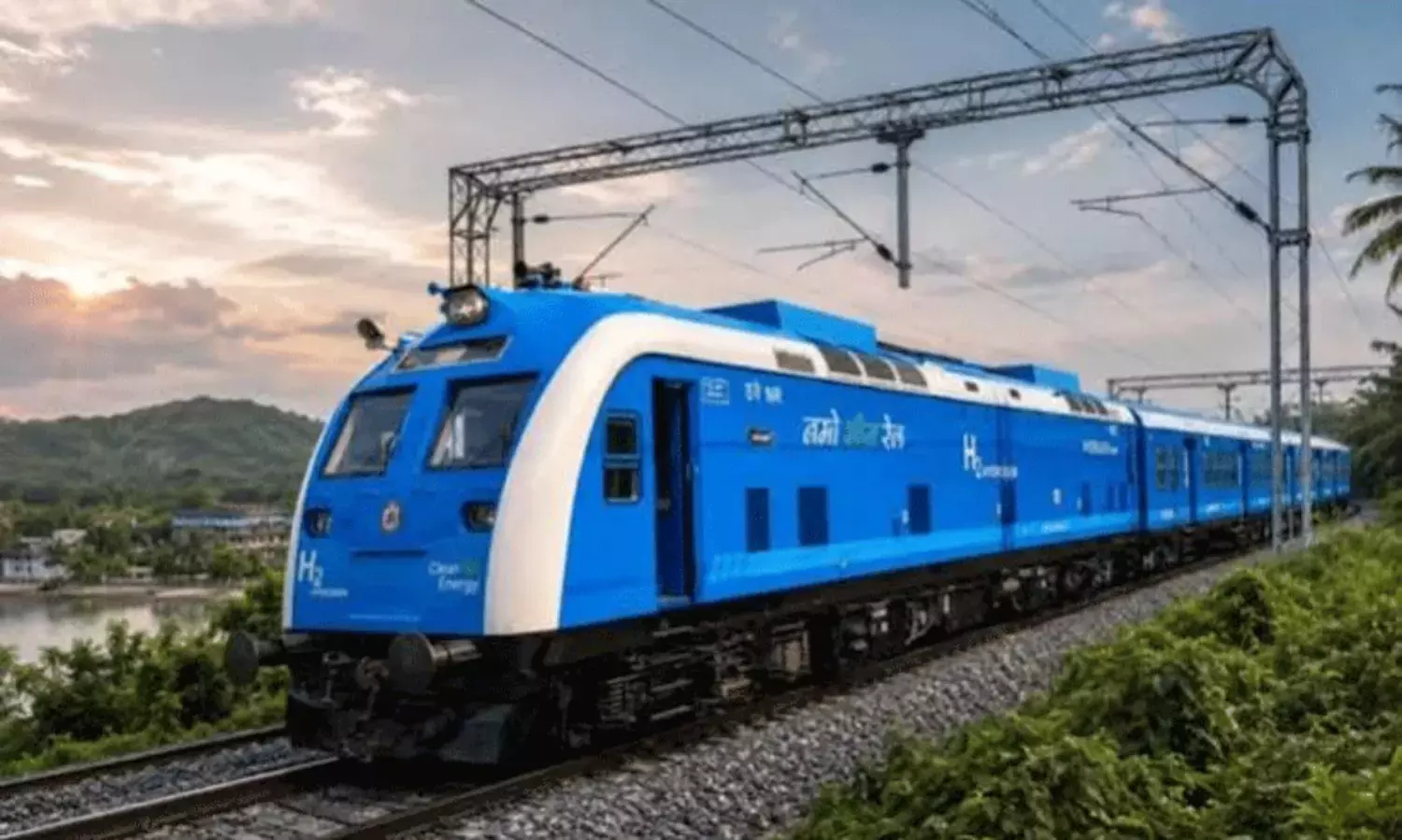

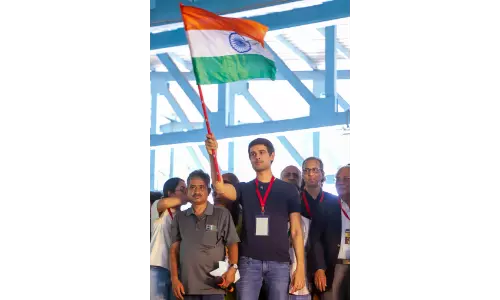
New Delhi: Does India's first hydrogen-powered train run on water? That is the question dominating social media after the country's first indigenously developed hydrogen train was flagged off on the Jind-Sonipat route in Haryana. Thousands of posts and videos have claimed that India has unveiled a "train that runs on water", with many hailing it as a revolutionary breakthrough. The claim has gone viral, but is it true? It is not.
The hydrogen train does not use water as fuel. It runs on compressed hydrogen stored in onboard tanks. Inside the train, hydrogen combines with oxygen from the atmosphere in fuel cells to generate electricity, which powers the motors. The only direct emission from this process is water vapour. It is this by-product that has fuelled the misconception that the train is powered by water.
India Today has also debunked the viral claim, explaining that water is merely the exhaust of the hydrogen fuel-cell process and not the energy source. The publication clarified that hydrogen is the actual fuel, while electricity generated inside the fuel cells drives the train. The launch has placed India among a select group of countries operating hydrogen-powered trains. The technology is seen as a cleaner alternative to diesel locomotives because it produces virtually no harmful emissions, with water vapour being the only exhaust. Experts say the viral narrative is based on a misunderstanding of how hydrogen fuel cells work. While water is produced during the chemical reaction, it plays no role in powering the train. The energy comes entirely from hydrogen reacting with oxygen inside the fuel cells.
Ironically, the launch also gave rise to another social media controversy. Videos showing the hydrogen train being pulled by a diesel locomotive quickly went viral, with users claiming the project had already failed. However, Northern Railway clarified that the viral video was misleading, stating that a locomotive would be used for the hydrogen train's arrival and departure for maintenance as part of standard procedure.