













No PUC, no fuel: Delhi enforces strict pump ban and border restrictions starting Thursday
text_fields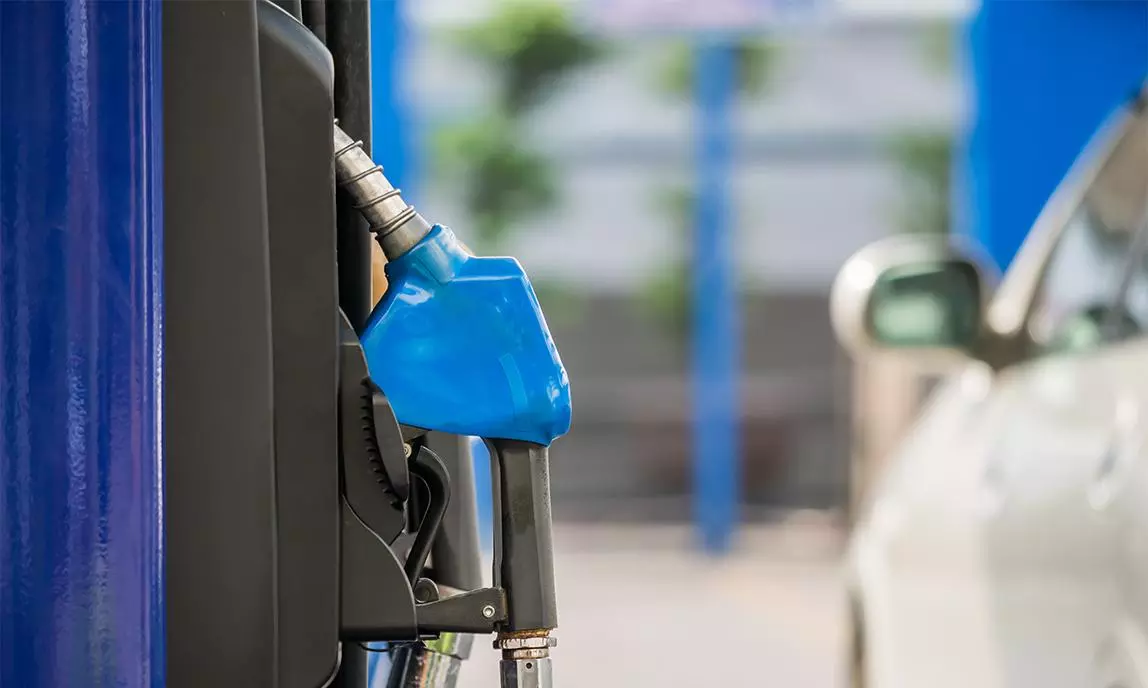

New Delhi: Vehicle owners in the national capital face a strict deadline, as fuel stations across the city will refuse service to any vehicle without a valid Pollution Under Control (PUC) certificate starting Thursday, December 18.
Environment Minister Manjinder Singh Sirsa announced the mandate on Tuesday as part of an aggressive strategy to combat deteriorating air quality, warning that all petrol, diesel, and CNG pump dealers have been instructed to verify documentation before dispensing fuel. The administration aims to curb vehicular tailpipe emissions through this compliance check, which will be enforced using Automatic Number Plate Recognition (ANPR) systems and manual on-ground inspections.
The government has also imposed stringent border controls that will significantly impact daily commuters from the National Capital Region. Private vehicles registered outside Delhi—such as those from Noida, Gurgaon, Ghaziabad, or Faridabad—are now banned from entering the city unless they are BS-VI compliant. Minister Sirsa issued a stern warning that non-compliant vehicles attempting to cross the borders risk seizure. These new restrictions operate alongside existing bans under GRAP III and GRAP IV protocols, which prohibit BS-III petrol and BS-IV diesel vehicles from plying on city roads.
Beyond traffic management, Sirsa highlighted progress in other sectors, noting that legacy waste biomining at the city’s three landfill sites has been scaled up from 20,000 MT to 35,000 MT per day, helping reclaim approximately 45 acres of land for urban forests. Furthermore, the Delhi Pollution Control Committee has issued over 2,000 notices to polluting industries, collecting penalties worth Rs 9.21 crore, while installing online monitoring systems in 280 industrial units.
Efforts to clean the public transport network continue with the induction of 3,427 electric buses so far, with a target set to reach 7,500 by December 2026. To address winter-specific pollution sources, the government has distributed 10,000 electric heaters to night security guards to prevent the burning of biomass for warmth. While detailing these measures, Sirsa described the pollution crisis as a "disease" affecting the health of children and attributed the situation to the legacy of the previous AAP government, while also criticizing Congress leaders for their alleged silence on the issue.