







NIA cites engaging Arabic experts to unravel ‘radical’ material, seeks Red Fort blast probe extension
text_fields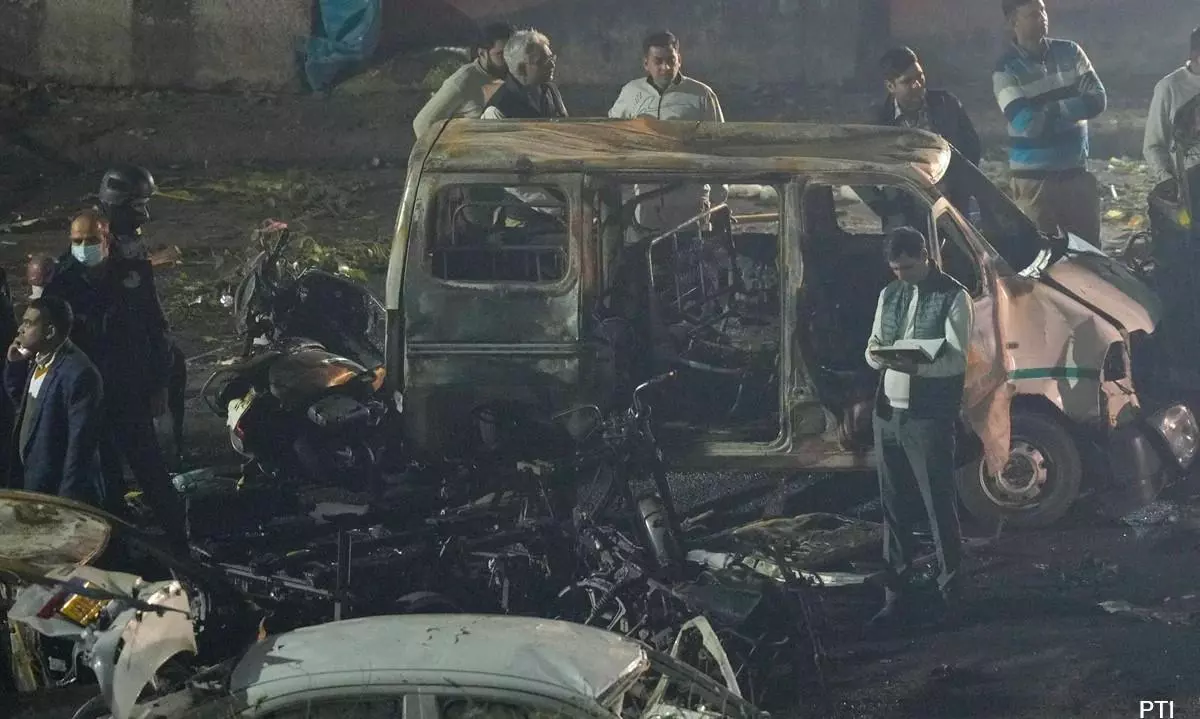

The National Investigation Agency has petitioned a Delhi tribunal for a forty-five-day extension to its mandate, and it has cited the complexity of the Red Fort blast probe while arguing that the sheer volume of digital detritus, nearly five terabytes of data extracted from nine residential seizures in Jammu and Kashmir, demands prolonged forensic and linguistic scrutiny to dismantle what it describes as a sophisticated white-collar terror apparatus.
Central to the prosecution’s entreaty is a cache of Arabic-language material retrieved from encrypted devices, and the agency has enlisted scholars from Jamia Millia Islamia to furnish a rigorous contextual exegesis of these documents, which investigators allege function not merely as theological discourse but as radicalised manuals for sedition that advocate a violent iteration of jihad.
The agency claimed that the materials provide meticulous blueprints for assembling improvised explosive devices from ostensibly innocuous household precursors, The Indian Express reported.
The explosion, which occurred near the Lal Qila Metro station on November 10 last year, left 13 persons dead and several injured after a Hyundai i20 car detonated, and the agency informed the court that its investigation had yielded multiple new leads requiring verification to uncover what it termed a larger conspiracy.
The investigation identified Umar Nabi as the ideological and operational linchpin of the module, and investigators describe him as leading a cell of radicalised professionals, including medical practitioners, while the agency, in justifying the continued incarceration of the ten suspects currently in custody, underscored the peril of witness tampering and of confronting the accused with incriminating forensic evidence such as voice samples and handwritten manifestos.
The agency also revealed that searches conducted across nine residential premises in Jammu and Kashmir resulted in the seizure of multiple digital devices, from which nearly 5TB of data had been extracted and forwarded to CERT-In and forensic laboratories for scrutiny. During preliminary examination, investigators claimed to have discovered incriminating material in the form of videos, voice samples, radical literature and handwritten documents.