
















Iranian tanker with oil to India changes course to China mid-voyage
text_fields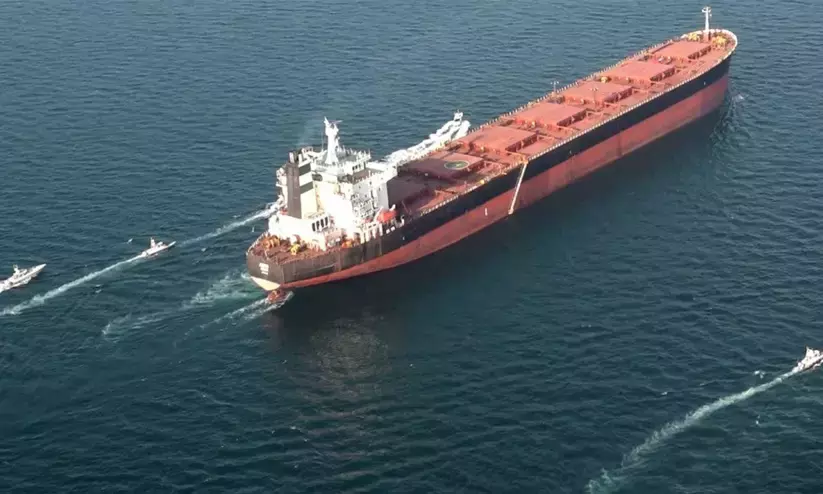
Representational.

New Delhi: An oil tanker carrying Iranian crude and initially headed for India abruptly altered its destination to China after nearing Gujarat, reflecting the fragility of a potential resumption in Indo-Iran oil trade. The vessel, Ping Shun, had approached Vadinar port before redirecting toward Dongying in China, according to ship-tracking data, The Indian Express reported.
The shipment had raised expectations of India importing Iranian crude for the first time in nearly seven years, a trade halted since 2019 following US sanctions. The cargo thus represented a significant, though tentative, shift in energy ties disrupted by geopolitical pressure.
Trade sources indicated that the sudden diversion was likely driven by payment-related hurdles, with sellers reportedly tightening financial terms. The tanker, carrying approximately 600,000 barrels, had been on a direct path to Gujarat before sharply changing course, reinforcing the likelihood of India being the intended destination.
The episode unfolded amid a temporary sanctions waiver issued by the US Department of the Treasury, allowing certain Iranian crude shipments loaded before March 20 to enter the market until April 19. This exemption covered the cargo aboard Ping Shun, suggesting that financial constraints, rather than sanctions alone, disrupted the transaction.
While mid-route destination changes are not unusual in the opaque trade of sanctioned oil, analysts noted that the tanker’s original trajectory strongly indicated India, not China. The deviation highlights the volatility and secrecy often surrounding such shipments.
Experts pointed to tightening credit terms and increasing counterparty risks as critical factors influencing the diversion. The shift underscores how commercial considerations are becoming decisive in determining crude flows, especially for Iranian exports.
Despite the waiver, structural barriers remain. Iran’s exclusion from the global SWIFT (Worldwide Interbank Financial Telecommunication) banking network and the reluctance of international financial institutions continue to impede transactions, leaving China as the primary beneficiary of Iranian oil exports.