












India to implement 2-3 new free trade agreements within six months: Piyush Goyal
text_fields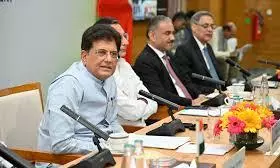

India is set to implement at least two to three new free trade agreements (FTAs) over the next six months, while another three to four major trade pacts are expected to come into force in 2027, Commerce and Industry Minister Piyush Goyal said on Thursday.
Speaking virtually at the Citi India Conference 2026 in Mumbai, Goyal said India has finalised nine FTAs over the past three-and-a-half years with Mauritius, New Zealand, the UAE, Australia, Oman, the EFTA bloc, the UK, the European Union, and the United States.
According to the minister, agreements with Mauritius, the UAE, Australia, Oman, and the EFTA bloc have already been implemented, while separate trade deals with the UK and New Zealand have been signed.
Goyal said the Oman free trade agreement came into effect on June 1 and added that at least two or three more significant FTAs would become operational in the coming six months.
He said India is also expected to execute another three or four major trade agreements over the next year, with all nine FTAs expected to be in force within the next nine to ten months.
The minister urged industry leaders to make long-term investments, saying early investors are likely to secure the best returns.
Commenting on the ongoing crisis in West Asia, Goyal said India had successfully managed energy supply challenges despite concerns over disruptions linked to the Strait of Hormuz and damage to some energy infrastructure in the Gulf region.
He said India's efforts to diversify energy sources helped ensure uninterrupted supplies of petrol, diesel, aviation fuel, liquefied natural gas (LNG), and liquefied petroleum gas (LPG) during the crisis.
Goyal added that India has also been able to maintain relatively stable prices and ensure the continued availability of fertilisers for farmers despite global uncertainties.
He said the country's ability to manage inflation and secure essential energy supplies has helped shield consumers and industries from the worst effects of international disruptions.