


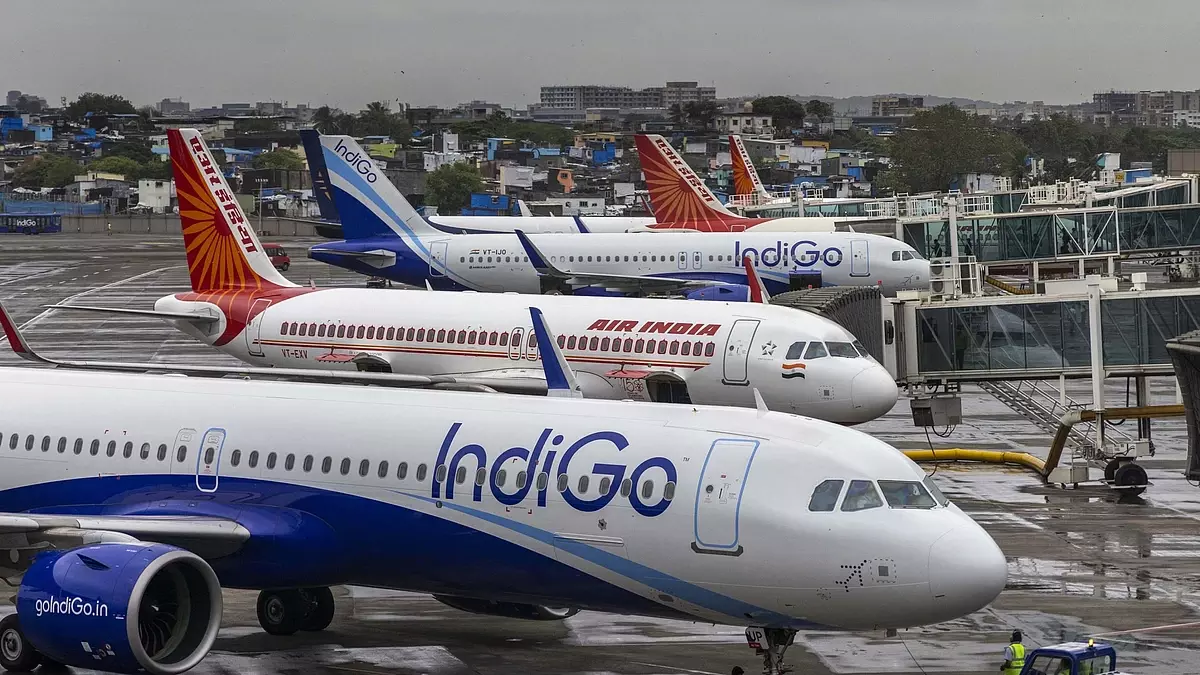




India introduces new aviation rules, mandates full airfare transparency
text_fields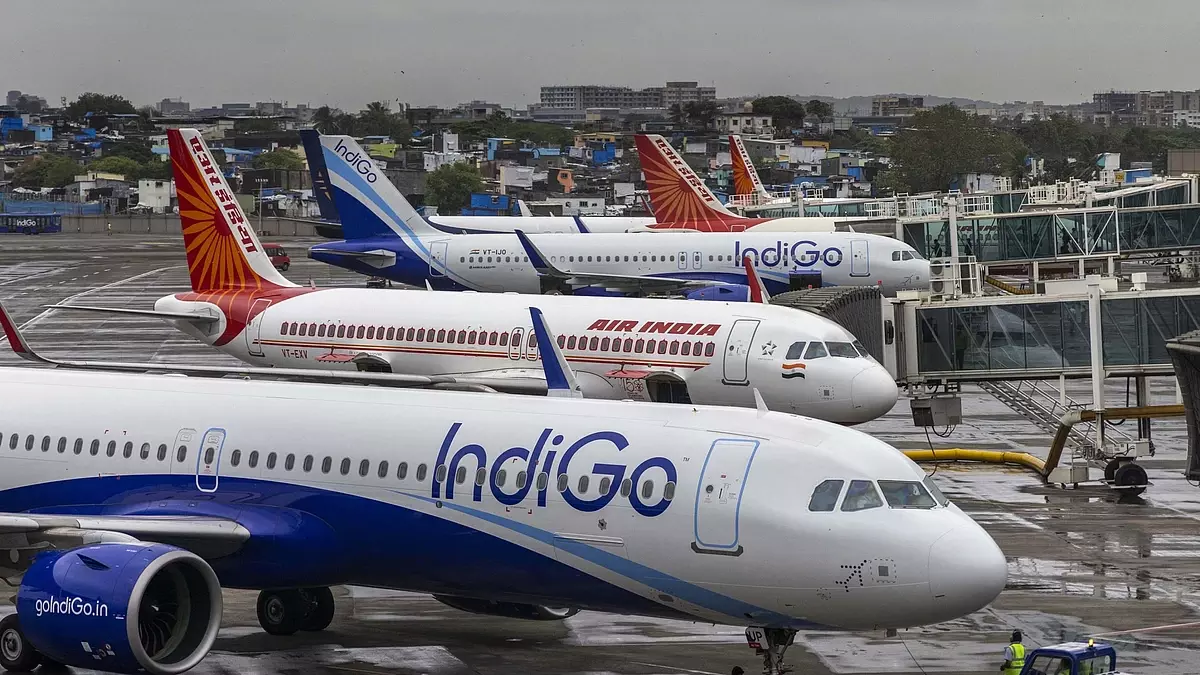

New Delhi: The Centre has introduced a new set of regulations to govern India's civil aviation sector, replacing the nearly 90-year-old Aircraft Rules, 1937, with the Bharatiya Vayuyan Niyam, 2026, from January 1, 2027.
Notified by the Ministry of Civil Aviation, the new framework establishes standards for the entire aviation sector, covering aircraft registration, manufacturing, certification, maintenance, flight operations, personnel licensing and airport management.
The regulations prescribe safety and airworthiness requirements, including mandatory inspections and maintenance throughout an aircraft's operational life. They also specify approval procedures for aircraft design, manufacturing, modifications and repairs.
Under the new rules, pilots, aircraft maintenance engineers and air traffic controllers must meet prescribed standards for training, examinations, professional experience and medical fitness. Provisions also cover licence renewal, suspension and cancellation.
Airline operations will be subject to requirements on flight planning, operational safety and flight and duty time limits for pilots and cabin crew to address fatigue-related risks.
A key provision concerns passenger fare transparency. Airlines will have to disclose the total ticket price along with a detailed breakdown of base fares, taxes, additional fees, cancellation charges and refund policies.

Airfares will continue to remain under the oversight of the Directorate General of Civil Aviation (DGCA).
The regulations also establish requirements for aerodrome licensing and airport infrastructure, while defining the responsibilities of aircraft owners, operators, airlines and other aviation stakeholders.
With IANS inputs