




Myanmar verdict a glimmer of justice
text_fields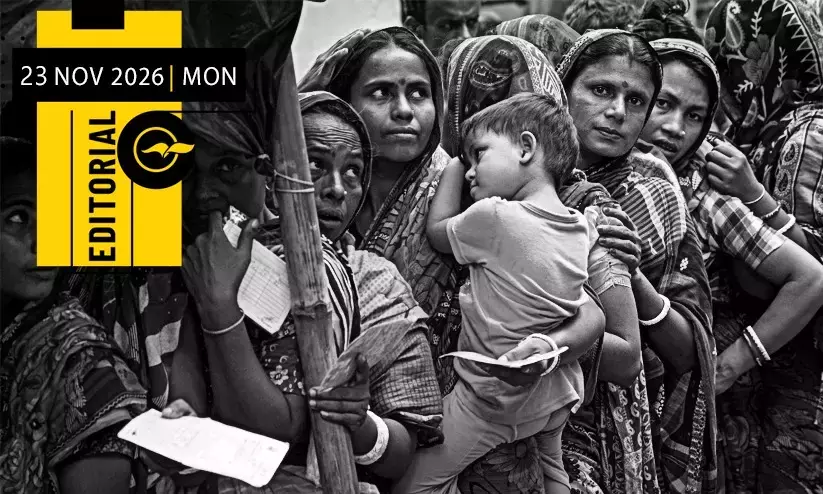

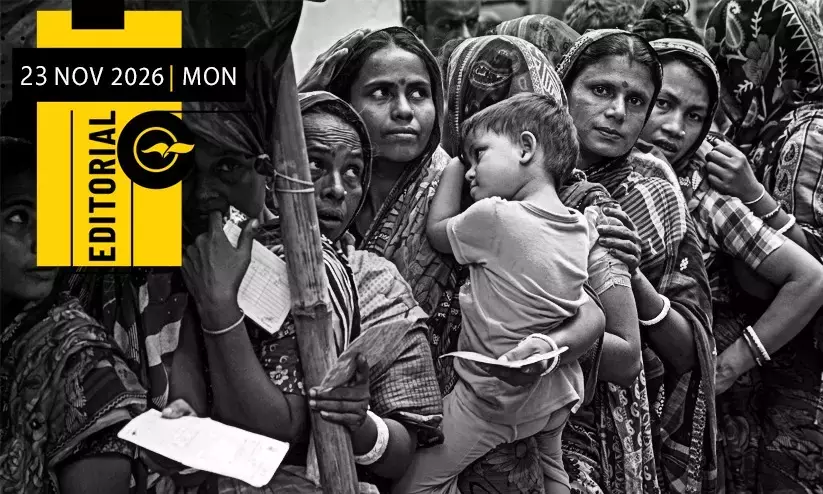
The ruling by the International Court of Justice (ICJ) that Myanmar’s actions against the Rohingya community constitute genocide marks a crucial step toward the dawn of justice. Myanmar’s security forces killed thousands of Rohingya people. The military regime and the army engaged in atrocities including mass killings, gang rapes, total destruction of Rohingya villages, and ethnic cleansing. Hundreds of thousands were forced to flee. Even today, millions of Rohingya remain displaced from their homeland, living as refugees in dire conditions.The World Court, in a majority ruling, stated that no conclusion other than "genocide" can be drawn regarding the "expulsion plan" implemented by Myanmar in 2017. Beyond killings, the acts—which included inflicting severe physical and mental harm, abusing children, preventing births among the Rohingya, and carrying out massacres during their flight—were all actions specifically targeted at this ethnic group. The bench, presided over by ICJ President Yuji Iwasawa, determined that these actions fall within the definition of genocide as set out in the Geneva Convention. The Myanmar government has, predictably criticised the ruling. Meanwhile, it has been welcomed by a wide range of voices—from the UN Secretary-General to scholars of genocide. Bangladesh, which hosts around 1.2 million Rohingya refugees, has also expressed satisfaction with the verdict. India’s Ministry of External Affairs spokesperson, however, merely stated that they had "taken note" of the ruling and acknowledged that the return of the refugees "must be made possible". India was seemed careful to avoid any mention of the court’s core judgement—that a genocide had taken place.
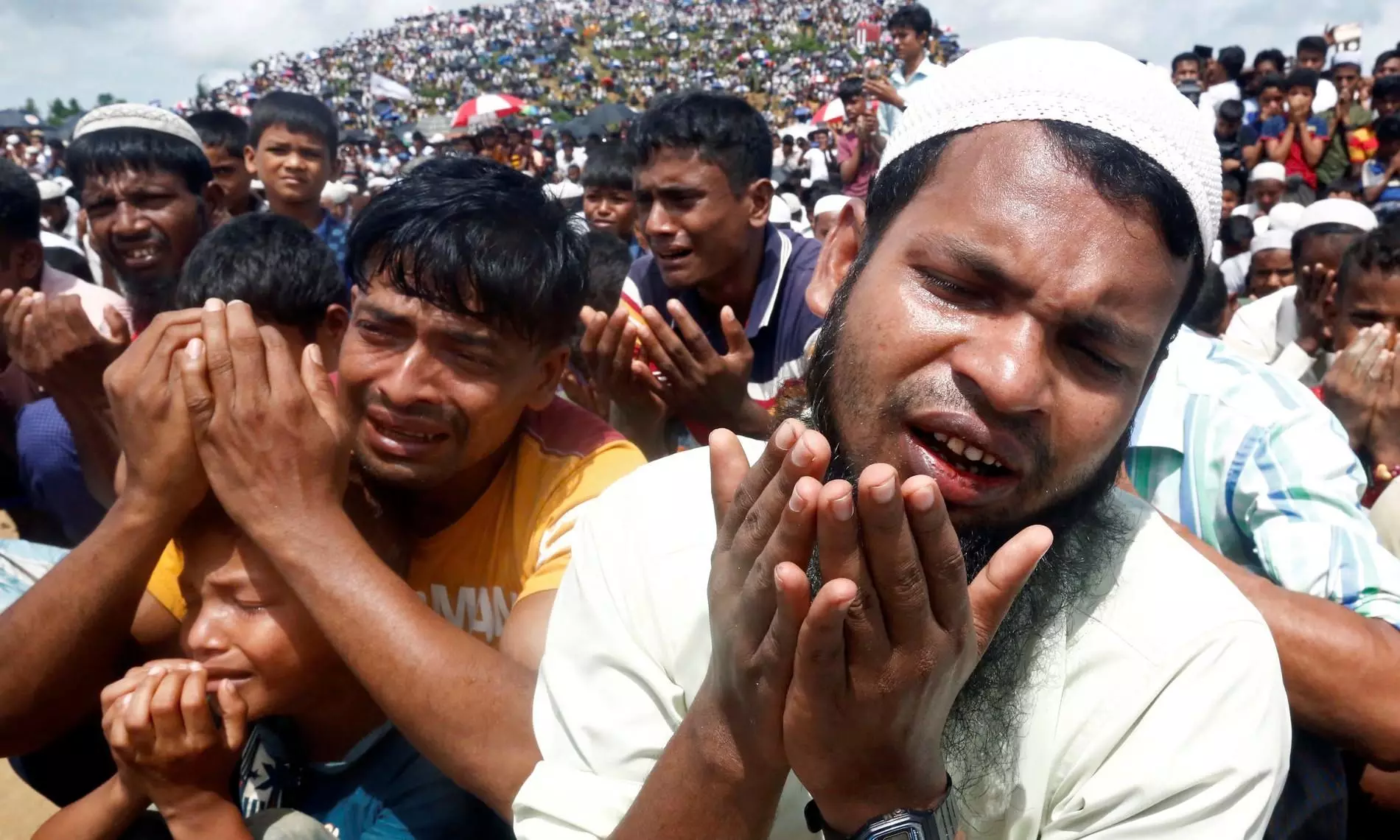
Could this silence stem from a guilty conscience—a fear that if it is indeed genocide, India might also be complicit? The policy India adopted regarding the Rohingya issue ran counter to the Geneva Convention; we failed to uphold our obligation to protect the victims. India has a history of humanely welcoming those who sought refuge from Tibet, Sri Lanka, and Afghanistan. But when it came to Rohingya, the treatment of the issue has been different. A dark stain still remains from an incident in 2025, when Indian officials unlawfully rounded up about 40 Rohingya, placed them on a plane, and—in the Andaman Islands—pushed them out to sea, a group that included the elderly and children. When the Union government moved to deport refugees living in Jammu and Kashmir back to Myanmar, humanitarians pointed out that doing so would effectively be consigning them to certain death. In 2021, a petition was filed in the Supreme Court, pointing out that the actions in question violated the Geneva Convention, to which India is a signatory. However, the Supreme Court refused to intervene to prevent the victims from being sent back into a situation of genocide. Furthermore, the then-Chief Justice, SA Bobde, even berated the victims using harsh and derogatory language. One can only hope that those responsible will—at the very least, upon seeing the ruling from the World Court—come to realise how despicable such policies and actions are, which effectively make India complicit in genocide.
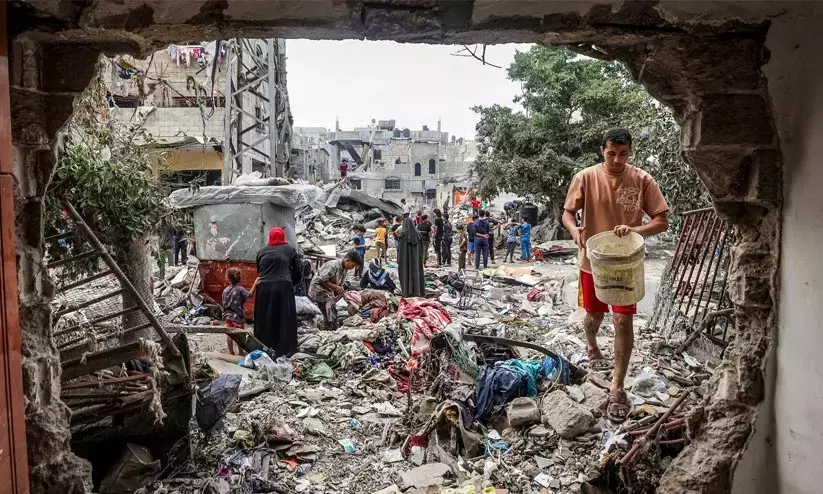
The ICJ ruling holds further lessons. Evidence of genocide is not limited to mass killings; it also encompasses acts of persecution directed at specific groups. This can include the denial of citizenship, land seizure, forced displacement, prevention of births, and the infliction of psychological trauma or the spreading of terror. It is not only the victims or their representatives who can file a complaint with the World Court; any nation that is a signatory to the Geneva Convention may do so. It is through a case brought by The Gambia—a small African nation—that, for the first time in history, a state itself has been declared a perpetrator. Nations across the world have a legal obligation to ensure the implementation of this ruling. The expulsion of the Myanmar representative by Britain may well be just the beginning. Myanmar is legally obligated to ensure compensation and rehabilitation for the victims. A case filed by South Africa against Israel is currently under consideration by the International Court of Justice (ICJ). The International Criminal Court (ICC) has already issued arrest warrants for Israeli leaders. UN experts, institutions, and human rights organisations are unanimous in accusing Israel of genocide. Legal experts suggest that the ruling in the Myanmar case offers a hint as to how the ICJ might eventually rule on this matter. In any event, a glimmer of justice has emerged from the court in The Hague. May it lead the world towards a new dawn of global justice.