















‘Colonial mindset': SC slams UP for allowing bureaucrats’ spouses ex-officio posts
text_fields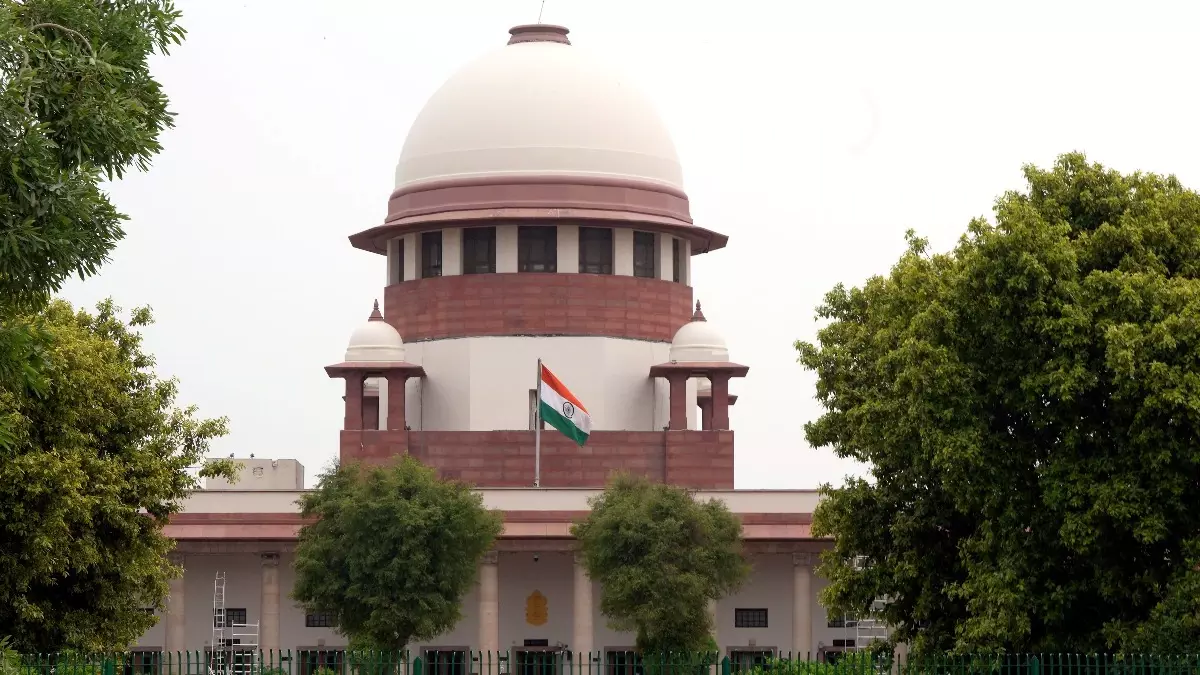

New Delhi: The Supreme Court on Tuesday criticised the Uttar Pradesh government for maintaining a “colonial-era mindset” in managing cooperative societies and similar bodies, where spouses of bureaucrats, such as district magistrates, are made ex-officio office-bearers.
A bench comprising Chief Justice Surya Kant and Justice Joymalya Bagchi directed the state government to amend the relevant provisions within two months. The court noted that byelaws of several societies in Uttar Pradesh continue to automatically confer positions, such as president, on the wives of top officials like district magistrates and chief secretaries—a practice it described as “wholly inconsistent with democratic principles.”
The matter arose from a petition filed by CM Zila Mahila Samiti, Bulandshahr, a women’s self-help group, challenging the appointment of the district magistrate’s wife as ex-officio president of their samiti. The group contended that the body, intended to assist destitute women, was being run on an ad hoc basis, lacking transparency and accountability.
“Why should the wife of a DM be the ex-officio president of such a society without any democratic process?” the bench asked, observing that such arrangements had “no justification in modern governance.” The court added that the samiti’s articles reflected a mentality “dusted in the hands of the wife of the collector” and stressed that public bodies must be led by elected members.
The state informed the court that a new bill to replace the 1860 registration law was under preparation and requested time until the end of January to finalise it. The court directed that, once passed by the state assembly, the bill must be assented to and notified at the earliest.

The apex court further stated that the amended provisions should ensure model byelaws are framed for all state-funded societies, trusts, and legal entities, and that any society refusing to follow them could lose its legal status or government support. Governance structures, it added, “must lean towards democratic values where most members are duly elected.”
Clarifying the status of the Bulandshahr Samiti, the court noted that its earlier elections and byelaws had been set aside, but the group would not be derecognised. An interim body will continue to comply with statutory requirements under applicable laws until a regular elected body assumes charge under the new legal framework.
The bench recorded the state’s assurance that colonial-era provisions allowing bureaucrats’ spouses to hold office would be omitted, and the new legislation would be placed before the assembly “as early as possible” and notified without delay.
With PTI inputs