















2008 Malegaon blast: Bombay HC issues notices to NIA, Pragya Singh Thakur and other acquitted accused on victims’ kin appeal
text_fields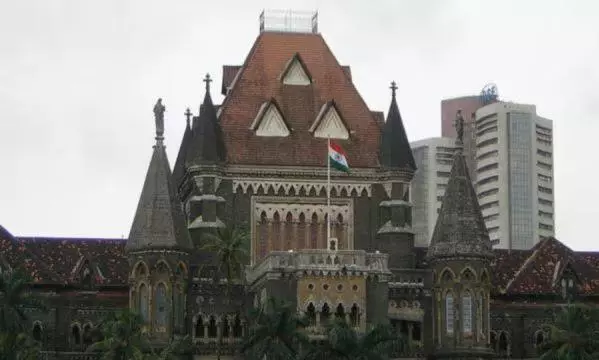

Mumbai: The Bombay High Court on Thursday issued notices to the National Investigation Agency (NIA) and the seven acquitted accused in the 2008 Malegaon blast case, while hearing an appeal filed by relatives of the victims challenging their acquittal.
Six people were killed and over 100 injured when a bomb exploded near a mosque in Malegaon, Maharashtra’s Nashik district, on September 29, 2008.
On July 31, a special NIA court acquitted all seven accused, former BJP MP Pragya Singh Thakur, Lieutenant Colonel Prasad Purohit, Major (retired) Ramesh Upadhyay, Ajay Rahirkar, Sameer Kulkarni, Sudhakar Chaturvedi and Sudhakar Dhar Dwivedi, of charges including criminal conspiracy and murder under the Indian Penal Code, as well as offences under the Unlawful Activities (Prevention) Act.
The appeal before the high court was filed by family members of the six deceased victims, including Nisar Ahmed Haji Sayyed Bilal, Shaikh Liyaqat Mohiuddin, Shaikh Ishaque Shaikh Yusuf, Usman Khan Ainullah Khan, Mushtaque Shah Haroon Shah, and Shaikh Ibrahim Shaikh Supdo. They urged the court to set aside the July 31 acquittal and convict the accused.
Earlier this week, the division bench of Chief Justice Shree Chandrashekhar and Justice Gautam A Ankhad asked whether the appellants had been examined as witnesses during the trial, observing that an acquittal appeal was “not an open gate” for everyone. On Thursday, their counsel informed the court that one of the appellants was an intervenor in the trial and four others were examined as witnesses, establishing their competence to file the appeal.
Following this, the bench directed that notices be served to the acquitted accused at the addresses provided in the appeal, and also to the NIA. Advocate Mateen Shaikh, representing the appellants, was asked to furnish necessary documents and past judgments within two weeks. The matter will next be heard after six weeks.
The appellants alleged that the NIA was brought into the case “only to weaken the case and give benefit to accused persons.” They argued that the July 31 judgment was “contrary to settled position of law ” in appreciating evidence and should therefore be quashed as “bad in law.”
Notably, the NIA has not yet challenged the special court’s verdict before the high court.