















Two Indian LPG tankers head through Iran waters to exit Hormuz
text_fields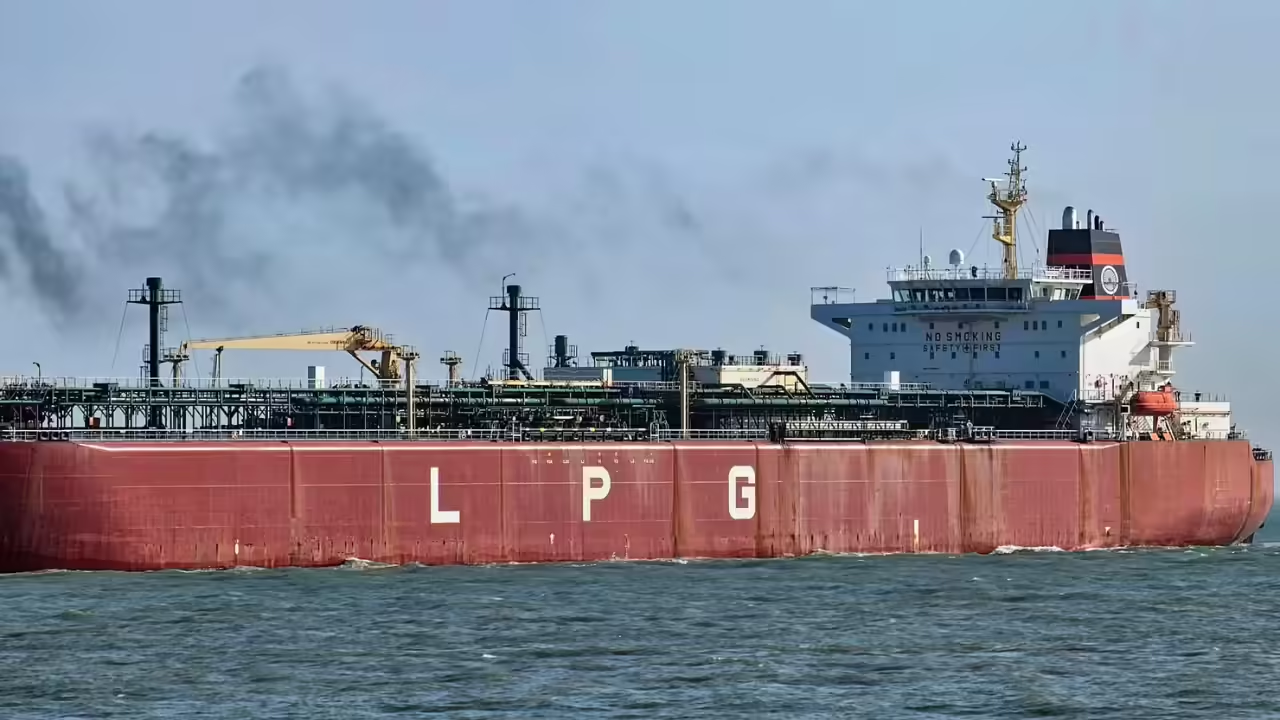

New Delhi: Two India-flagged liquefied petroleum gas (LPG) tankers — Jag Vasant and Pine Gas — have begun moving from the Persian Gulf and are expected to cross the strategically vital Strait of Hormuz on Monday using a route through Iran’s territorial waters, a path experts say allows Tehran to monitor and regulate vessel movement through the chokepoint.
According to ship tracking data, the tankers were nearing waters between Larak and Qeshm islands by noon, sailing close together while broadcasting their Indian identity to avoid confusion amid heightened surveillance in the region. The narrow strait between Iran and Oman connects the Persian Gulf to the Gulf of Oman and remains a critical global energy corridor.
India has been engaging with Iran diplomatically to secure safe passage for its vessels. Earlier, LPG tankers Shivalik and Nanda Devi successfully transited the strait under similar arrangements. External Affairs Minister S. Jaishankar recently said there is no blanket agreement with Tehran, noting that each vessel’s passage is handled individually. Iran’s Foreign Minister Seyed Abbas Araghchi has indicated that Tehran remains open to discussions on safe transit.
Jag Vasant, owned by Great Eastern Shipping Company and chartered by Bharat Petroleum Corporation, and Pine Gas, operated by Seven Islands Shipping and chartered by Indian Oil Corporation, are estimated to have begun their voyage to India between Sunday night and Monday morning. The vessels have capacities of approximately 54,500 tonnes and 58,500 tonnes respectively and are believed to be carrying LPG equivalent to over a day of India’s pre-war consumption.
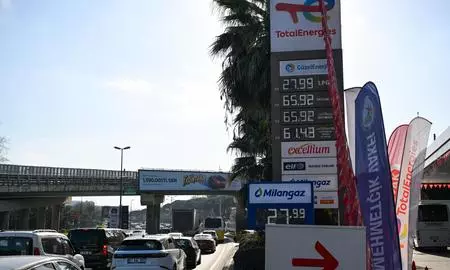
The effective disruption of traffic through the Strait of Hormuz has posed a major challenge for India’s energy security. The country relies on the route for around 40 per cent of its crude oil imports, over 50 per cent of liquefied natural gas (LNG) imports, and nearly 90 per cent of LPG supplies. India consumes over 33 million tonnes of LPG annually, with about 60 per cent met through imports, most of which originate in West Asia.
As of Sunday, 22 Indian merchant vessels carrying 611 seafarers remained stranded in the Persian Gulf, holding significant volumes of LPG, LNG, and crude oil. Once Jag Vasant and Pine Gas exit the region, the number is expected to drop to 20. The Ministry of External Affairs has said it remains in constant contact with relevant governments to ensure safe and uninterrupted passage for Indian vessels.
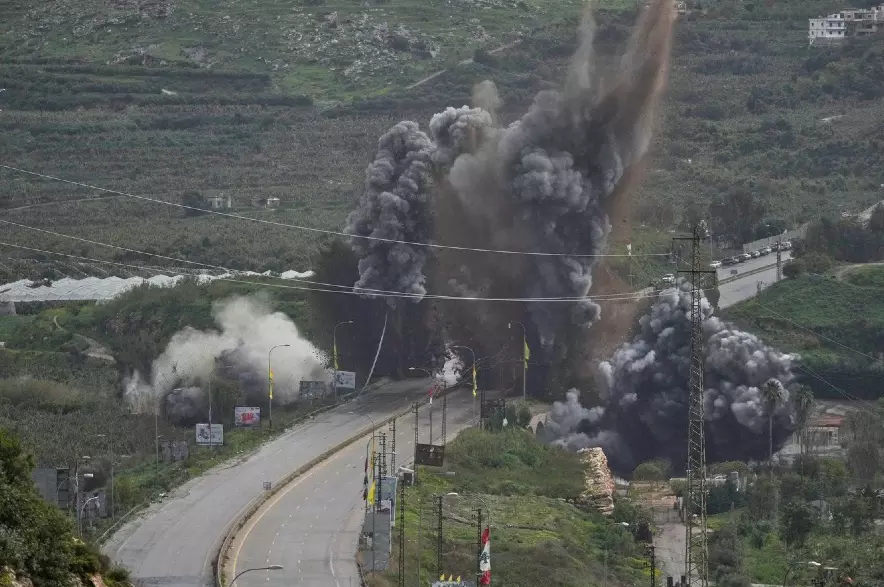
Despite Iran maintaining that the strait is open to non-hostile nations, vessel movements have dropped sharply amid the ongoing conflict that began on February 28 with US and Israeli strikes on Iran. Industry observers note that Iran appears to be selectively permitting ships to pass through negotiated routes within its territorial waters, indicating tighter control over maritime traffic.
Recent ship movements show vessels taking longer, unconventional paths between Qeshm and Larak islands instead of the usual central channel, suggesting prior clearance from Iranian authorities. Similar routes have reportedly been used by ships from countries including Pakistan, Turkey, and Greece.
With rising risks, many shipping firms and insurers remain cautious about operating in the region, even as diplomatic efforts intensify to facilitate the movement of vessels through one of the world’s most critical energy corridors.