


Jet fuel shortages could last months after Strait of Hormuz reopens, IATA warns
text_fields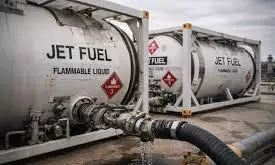

Global aviation body International Air Transport Association has warned that shortages of jet fuel may continue for months even if Iran reopens the Strait of Hormuz.
Speaking in Singapore, IATA Director General Willie Walsh said crude oil supplies could recover quickly after the waterway reopens, but refined products such as jet fuel would take longer because of damage to refining capacity in the Middle East.
"If it were to reopen and remain open, I think it will still take a period of months to get back to where supply needs to be," Walsh said.
Jet fuel usually makes up about 27 per cent of airline operating costs. Prices have more than doubled during the conflict, rising much faster than crude oil prices, which increased by about 50 per cent before recent ceasefire developments.
The closure of the Strait of Hormuz has disrupted global jet fuel supplies, forcing airlines to reduce flights, carry extra fuel, and reroute aircraft.
Walsh said the situation was serious but not comparable to the COVID-19 pandemic, when airline capacity fell by 95 per cent.
"This is not similar to COVID," he said, comparing the current disruption instead to the period after the September 11 attacks and the 2008-09 financial crisis, when recovery took between four and 12 months.
Airline shares rose after US President Donald Trump announced a ceasefire and signalled the possible reopening of the Strait of Hormuz.
Shares in Qantas Airways rose more than 9 per cent, while Air New Zealand gained over 4 per cent. Cathay Pacific rose 5 per cent, and IndiGo climbed as much as 10 per cent. European carriers, including Lufthansa and Air France-KLM, gained up to 14 per cent.