













US blocks UN pandemic declaration, weakening global cooperation, expert says
text_fields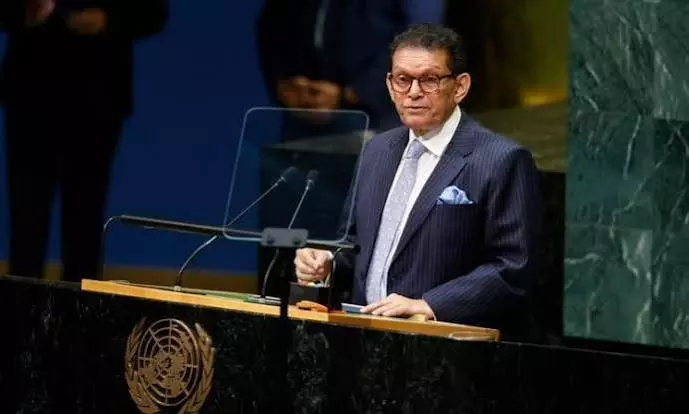

The United States has blocked the adoption of a United Nations declaration on pandemic preparedness, prompting criticism from global health experts who say the decision weakens international efforts to prevent and respond to future outbreaks.
The UN General Assembly was due to adopt the political declaration on September 25 following a high-level meeting on pandemic prevention, preparedness and response. The document called on countries to work together to tackle global health threats and acknowledged that the world remained unprepared for future pandemics.
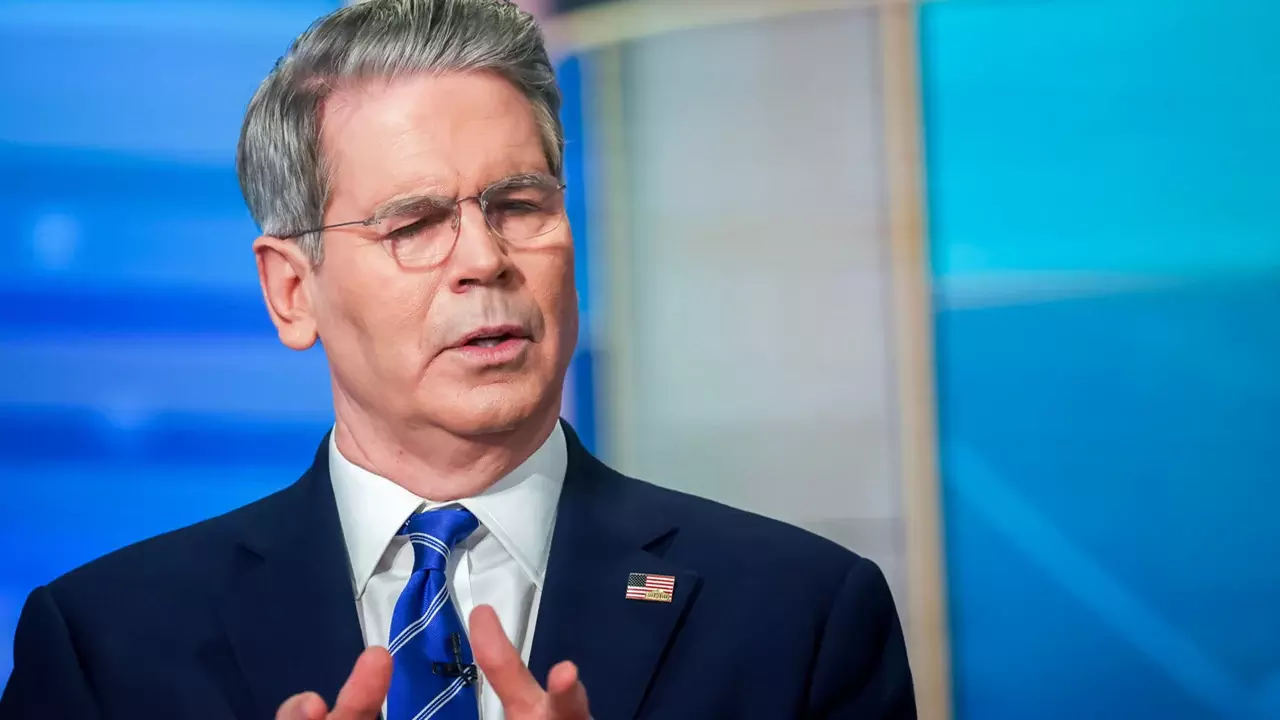
However, the US delegation said it was “not in a position” to support the text, preventing its adoption by consensus. Italy also rejected the document, while the European Union raised concerns over references to intellectual property and the transfer of technology between countries.
Lawrence Gostin, a global health law expert at Georgetown University, said the US decision “severely weakens” the declaration and signalled an intention to disrupt international cooperation.
He said the declaration’s value depended on countries’ political commitment to implementing its provisions, adding that there was no rational reason to reject a commitment to preventing and responding to dangerous outbreaks.
US officials said unresolved issues included references to what they described as “divisive ideologies” and ongoing World Health Organization negotiations on sharing vaccines and medicines during future pandemics.
The Trump administration was also reportedly opposed to references to equity and universal access to sexual and reproductive healthcare. Earlier this year, President Donald Trump expanded restrictions on US aid recipients through executive orders targeting abortion-related work, diversity, equity and inclusion initiatives, and what his administration calls “gender ideology”.
A separate WHO-led pandemic agreement remains on hold as countries negotiate rules on pathogen access and benefit-sharing, including guarantees on access to vaccines and treatments for countries that share information about emerging diseases. The US withdrew from the WHO shortly after Trump took office.
UN political declarations are not legally binding. The pandemic declaration could still be adopted at a later General Assembly meeting through a majority vote rather than consensus.
Former New Zealand prime minister Helen Clark said it was disappointing that member states had been unable to endorse a negotiated declaration, adding that cooperation on pandemic prevention and response should not be controversial.