















Russian strikes kill 16 in Ukraine on Chernobyl anniversary
text_fields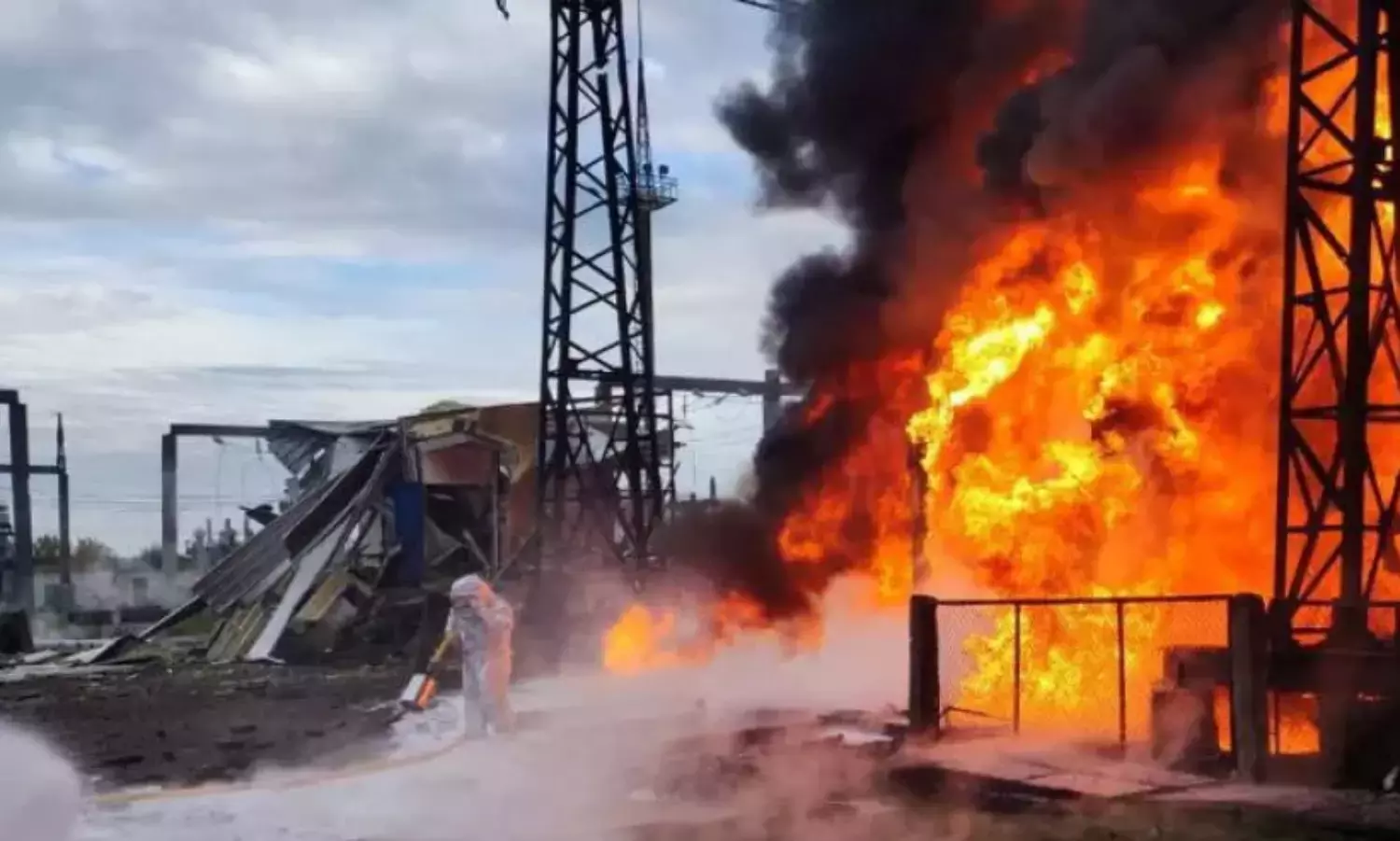

Kyiv: At least 16 people have been killed in strikes over the weekend across Ukraine, Russian-occupied territory and Russia, local authorities said, as the 40th anniversary of the Chernobyl nuclear disaster prompted fresh warnings about the risks posed by attacks near the plant during Russia's more than four-year invasion of its neighbour, the Associated Press reported.
The death toll from Russian drone and missile strikes on the city of Dnipro rose to nine, regional head Oleksandr Hanzha said Sunday.
One man was killed in a Ukrainian drone strike on the port city of Sevastopol, in Russian-occupied Crimea, Moscow-installed authorities said Sunday. Russia annexed the peninsula from Ukraine in 2014, a move that most of the world considered illegal, and has used it as a staging and supply point during the war.
Leonid Pasechnik, the Russia-installed governor in Ukraine's Luhansk region - of which Russia earlier this month said it had taken full control, a claim denied by Ukraine - said three people were killed in an overnight Ukrainian drone strike on a village, after reporting two people were killed in the early hours of Saturday.
Ukraine did not comment on either attack, which could not be independently verified by The Associated Press.
The latest strikes came after a woman was killed in a Ukrainian drone attack on Russia's Belgorod border region, according to local authorities.
Ukrainian forces also struck an oil refinery in Yaroslavl, deep inside Russian territory, Ukraine's General Staff said Sunday. The strikes sparked fires at the facility, which processes 15 million tons of oil a year and produces gasoline, diesel and jet fuel for the Russian military. Russia did not immediately comment.
Ukraine has developed its own long-range drones, which can reach targets some 1,500 kilometres inside Russia. It has used them recently against Russian oil facilities as Moscow looks to boost its exports after the Trump administration gave it a temporary waiver from sanctions to ease supply constraints.