









Italy and France tighten security as cost-of-living protests turn violent
text_fields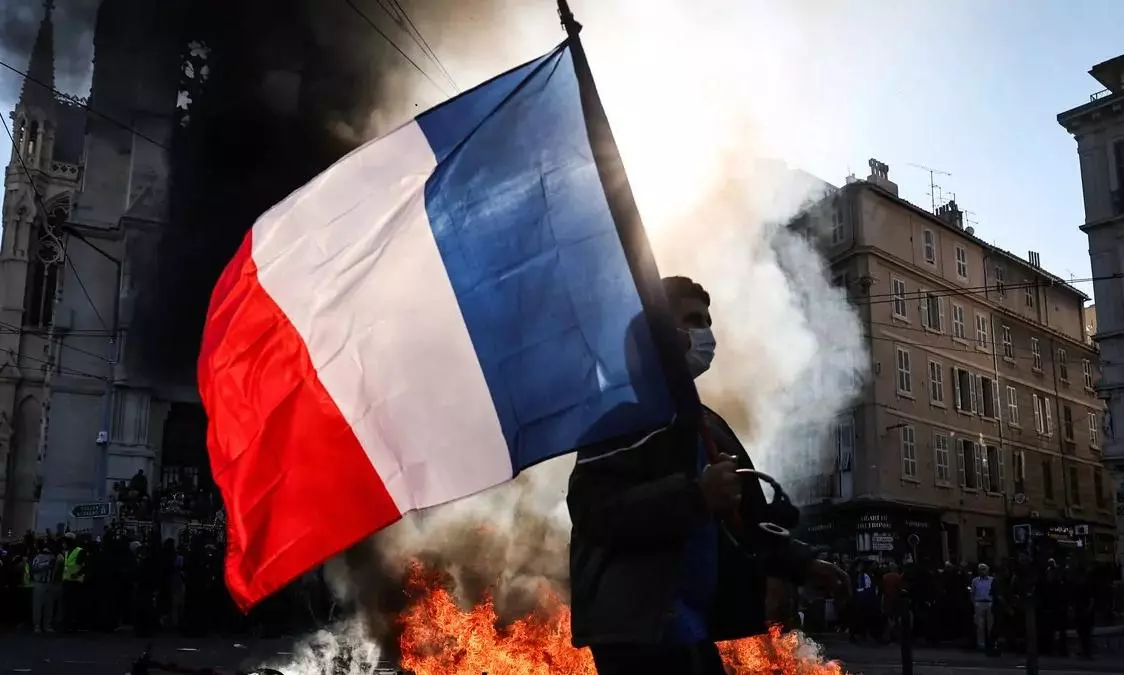

Italy and France are tightening security measures after protests over the rising cost of living descended into violence, looting and clashes with police, prompting governments to promise a firm response and consider tougher restrictions to restore public order.
In Italy, the government led by far-right prime minister Giorgia Meloni is deploying 500 soldiers to Milan, where hooded youths set fire to bins, smashed shop windows and ransacked stores during unrest on Saturday and Sunday. Although the demonstrations began peacefully, violent groups on their fringes clashed with police, who resorted to tear gas and water cannons to disperse them.
Police detained 271 young people, of whom 32 were arrested, including 23 minors and 13 foreign nationals, while a further 28 people were reported to judicial authorities. Several luxury retailers in Milan’s fashion district, including Chanel, Tiffany and Dior, closed their premises or removed merchandise from display windows amid fears of further unrest, while sports shops and other commercial outlets were also targeted.
Meloni’s coalition is reportedly preparing tougher security legislation, including extended preventive detention for minors, measures against youth gangs and restrictions on gatherings involving people considered threats to public order.
One proposal is said to target maranza, a slang term associated with gangs of young people, often from marginalised communities. The government is also considering harsher penalties for road blockades following protests by lorry drivers in southern Italy over fuel prices.
Meanwhile, France has introduced partial curfews in several cities after violent demonstrations overwhelmed police in some areas. Prime minister Sébastien Lecornu said local restrictions were more appropriate than a nationwide state of emergency, although he did not rule out the latter if circumstances demanded it.
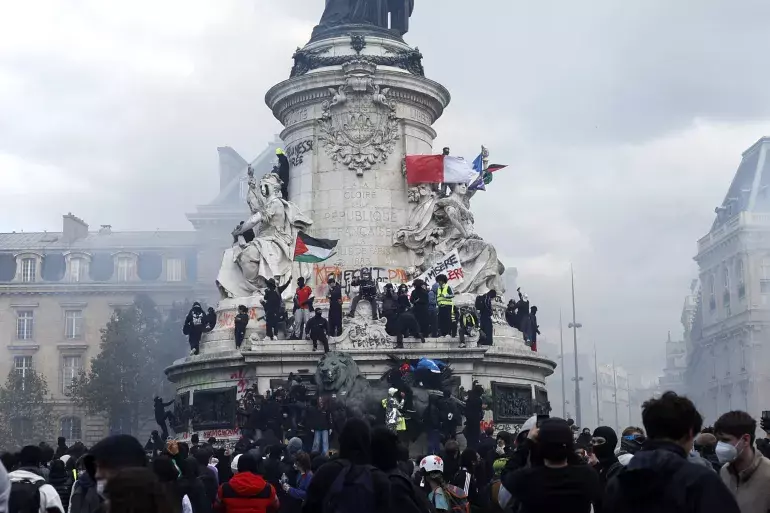
Curfews were imposed overnight in four northern cities, including Lille, while police restricted movement around Place de la République and the Les Halles shopping district in Paris, where rioting and looting had occurred. Marseille separately banned gatherings and demonstrations on Monday, as trade unions called for fresh strikes and rallies on 5 November.
Interior minister Laurent Nuñez acknowledged failures in anticipating the scale of Saturday’s unrest, explaining that intelligence agencies had expected 200,000 demonstrators nationwide, whereas more than 500,000 took part. He offered his resignation to President Emmanuel Macron, who refused it and instead demanded a thorough review of security preparations.