











Iran, US delegations arrive in Islamabad for peace talks
text_fields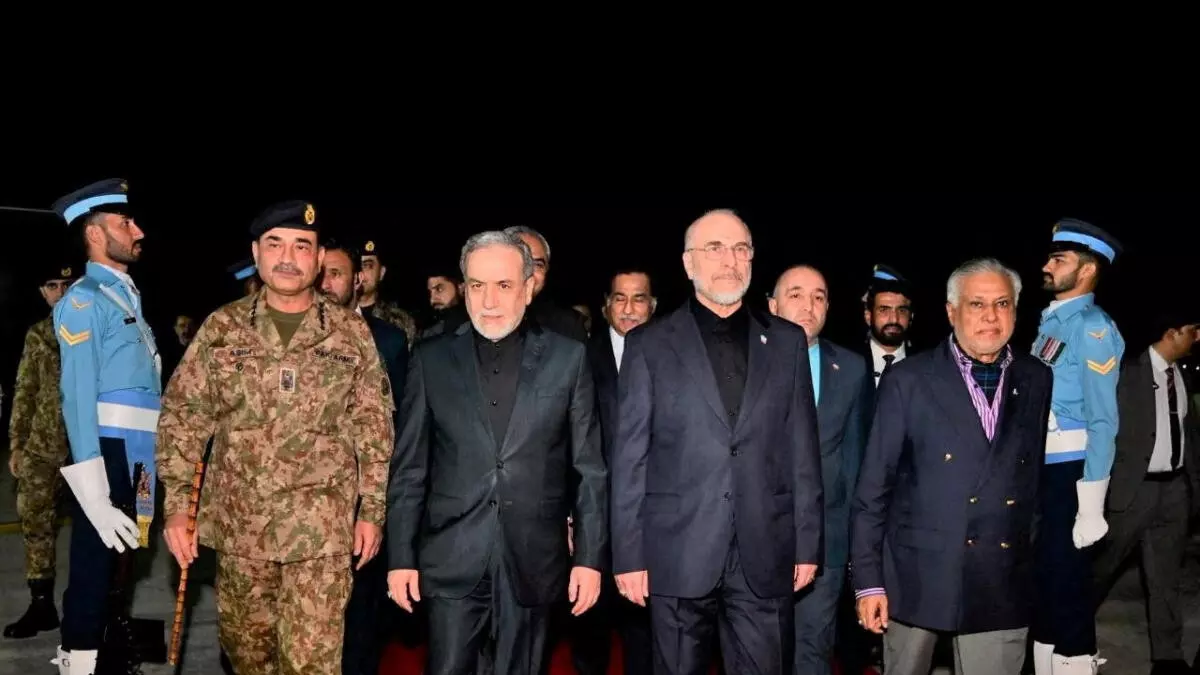

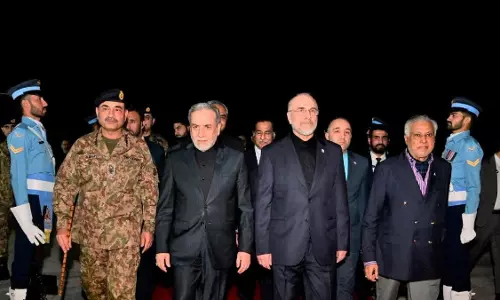
Islamabad: High-level delegations from both Iran and the United States arrived in Islamabad on Saturday for crucial talks, as global attention remains fixed on efforts to reach an agreement to end the ongoing conflict between the two sides.
The Iranian delegation, led by Parliament Speaker Mohammad Bagher Ghalibaf and accompanied by Foreign Minister Abbas Araghchi, reached the Pakistani capital early in the day. The US delegation, headed by Vice President J. D. Vance, arrived later at around 11:15 AM (IST) to lead Washington’s side in the negotiations.
Pakistan Prime Minister Shehbaz Sharif had earlier announced a two-week ceasefire, confirming that the US–Iran talks would be held in Islamabad. The discussions mark the first formal engagement between the two countries in this phase of the conflict.
According to Pakistan’s Foreign Office, the Iranian delegation was received by Deputy Prime Minister and Foreign Minister Ishaq Dar, National Assembly Speaker Ayaz Sadiq, Army Chief Field Marshal Syed Asim Munir, and Interior Minister Syed Mohsin Raza Naqvi.
Dar expressed hope for constructive engagement and reiterated Pakistan’s commitment to facilitating a lasting and durable resolution to the West Asia conflict. Pakistan played a key diplomatic role in bringing both sides to the table following a recent pause in hostilities.
The US team also includes special envoy Steve Witkoff and Jared Kushner. Speaking before departure, Vance expressed optimism about the talks, stating that the US is open to dialogue if Iran negotiates in good faith, while warning of a firm response to any attempt to mislead. He added that President Donald Trump had provided clear guidelines for the negotiations.

However, uncertainty surrounds the process. Iran has indicated that talks will not proceed unless key preconditions are met, including a ceasefire in Lebanon and the release of its blocked assets. Ghalibaf reiterated these demands before leaving for Islamabad, while Iranian officials warned that Israeli strikes in Lebanon could undermine the negotiations.
Earlier, Araghchi, in a call with Iran’s ambassador to Lebanon Mohammad Reza Shibani, stressed that the US must honour its ceasefire commitments, including extending the truce to Lebanon. Iranian President Masoud Pezeshkian also cautioned that continued Israeli attacks would render negotiations meaningless.
The talks follow a fragile two-week halt in the US-Israeli conflict with Iran, which began on February 28. Ongoing Israeli strikes on Hezbollah and disagreements over Lebanon’s role in any potential agreement continue to pose risks to the process.
Security in Islamabad has been significantly tightened, with the city placed on ‘red alert’. More than 10,000 police and security personnel have been deployed, while the heavily guarded Red Zone remains restricted to authorised individuals.
With all eyes on Islamabad, the outcome of the talks is expected to have far-reaching implications for West Asia’s stability, global energy markets, and international diplomacy.
With PTI inputs