
















Iran reimposes Strait of Hormuz restrictions, accuses US of deal breach
text_fields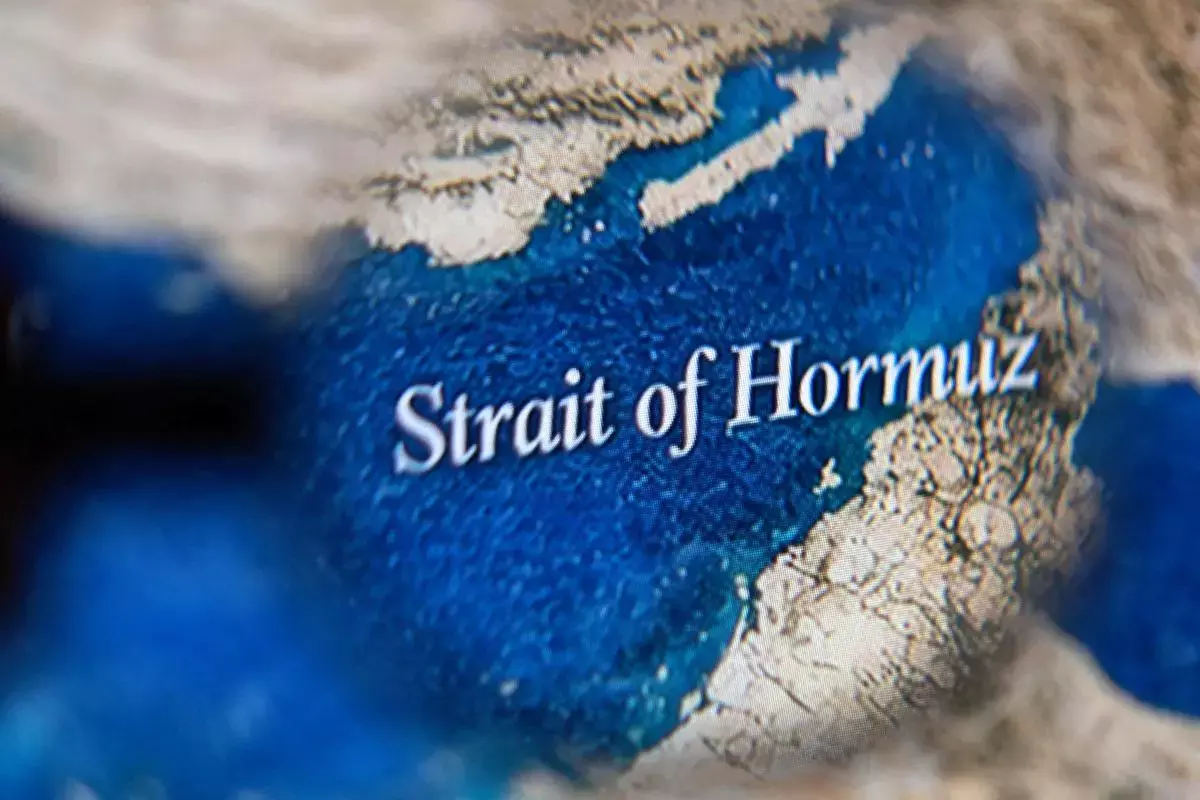

Cairo: Iran has reimposed restrictions on the Strait of Hormuz, accusing the United States of violating a deal to reopen the strategic waterway, according to officials, in a development that risks further escalating tensions over global energy supplies.
Iran’s joint military command announced on Saturday that “control of the Strait of Hormuz has returned to its previous state … under strict management and control of the armed forces.” It also warned that transit through the key shipping route would remain blocked as long as the US blockade on Iranian ports continued.
The reversal came just a day after Iran had announced the reopening of the strait following a 10-day truce involving Israel and the Iranian-backed Hezbollah militant group in Lebanon. However, the United States, under President Donald Trump, said its blockade would remain in full force until Tehran reaches a broader agreement with Washington, including on Iran’s nuclear programme.
The US position triggered Iran’s response, with officials arguing that Washington had violated last week’s ceasefire understanding between the two sides. Tehran warned that the waterway would not remain open if restrictions on Iranian ports were not lifted.
A data firm, Kpler, reported that vessel movement through the strait was still limited to corridors requiring Iranian approval. Meanwhile, US Central Command said on social media platform X that US forces had redirected 21 ships away from Iranian-controlled waters since the blockade began earlier in the week.

The Strait of Hormuz is one of the world’s most critical oil transit points, with around one-fifth of global crude shipments passing through it. Any disruption is seen as a major threat to global energy stability, especially as oil prices had begun easing amid hopes of a potential US-Iran understanding.
The escalation comes amid broader regional tensions linked to the Israel-Hezbollah conflict. President Trump said Israel was “prohibited” by the United States from carrying out further strikes on Lebanon, adding that “enough is enough” in the ongoing conflict. However, the US State Department clarified that the restriction applies only to offensive actions and not self-defence.
Israeli Prime Minister Benjamin Netanyahu said Israel agreed to the Lebanon ceasefire “at the request of my friend President Trump,” but added that military operations against Hezbollah were not yet complete. He claimed Israel had destroyed about 90 per cent of the group’s missile and rocket stockpiles, while stating that operations would continue.
In Beirut, despite warnings from authorities, displaced families began returning to southern Lebanon and the southern suburbs of the capital as uncertainty remained over the durability of the ceasefire. The Lebanese army and United Nations peacekeepers reported sporadic artillery fire in parts of southern Lebanon shortly after the truce took effect.
The ceasefire in Lebanon was seen as a potential opening for broader US-Iran diplomatic efforts. However, uncertainty remains over Hezbollah’s adherence to the deal, which it did not directly negotiate. Israeli officials have also accused Iran of violating earlier ceasefire understandings through continued regional hostilities.
According to reported figures, the conflict has resulted in at least 3,000 deaths in Iran, more than 2,290 in Lebanon, 23 in Israel, and over a dozen in Gulf Arab states, while 13 US service members have also been killed.
With PTI inputs