















Sam Altman says humanity has already entered the AI singularity
text_fields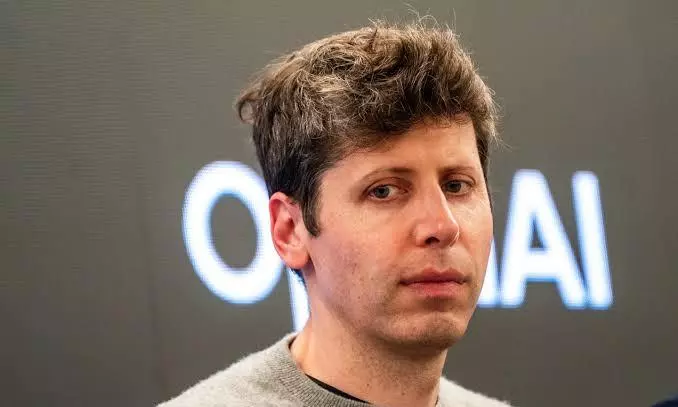

OpenAI CEO Sam Altman has said humanity has already entered the artificial intelligence singularity, arguing that rapid advances in AI have brought about an era of superintelligence.
Speaking on the YouTube podcast "How to Start a Startup" hosted by Ti Morse, Altman said the singularity, once considered a distant possibility, has become a reality.
"The thing that drives me the most is... this is the most interesting important thing I can imagine doing, and we are now in the singularity. This is the moment. Ten years ago this was like a far-off dream at best. It seemed very improbable, and now we're actually in the moment that we used to talk about at the lunch table in a very not serious way," he said.
Altman said AI has advanced along an exponential curve rather than reaching a single defining tipping point. He added that the world is now at another decisive stage where the direction of AI development will shape the future.
He also said he was concerned by some alternative visions for AI being proposed by other companies and would work to ensure they did not become reality.
Altman had made similar remarks in a June 2025 blog post titled "The Gentle Singularity", where he wrote that humanity had passed the "event horizon" of AI development and was close to building digital superintelligence. In the post, he predicted that AI systems would begin generating genuinely novel scientific insights by 2026 and that robots capable of performing real-world physical tasks would become common by 2027.
Addressing the future of AI, Altman said the central challenge was whether the technology would be developed in a way that promoted freedom or concentrated power.
He argued against a future in which a single AI model or company controlled the technology, saying society should be empowered to decide how AI is used despite the risks.
Altman also revealed that he became addicted to TikTok while researching user behaviour during the development of OpenAI's AI video app, Sora. He said he initially believed he could limit his use of the platform but eventually found himself spending hours on it, describing the experience as enjoyable but ultimately unhealthy.