













This war must not continue any longer
text_fields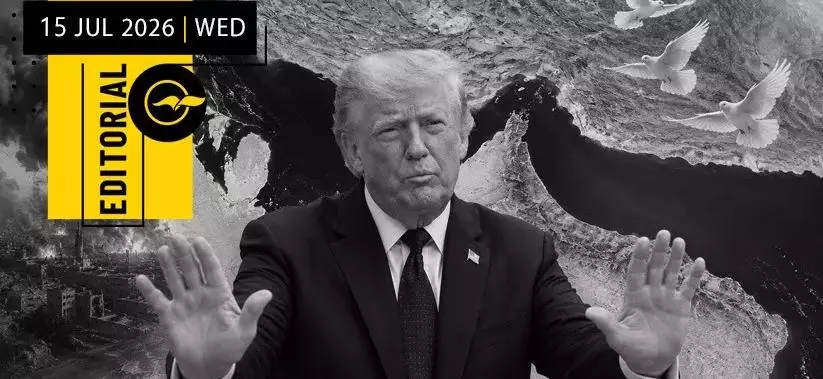

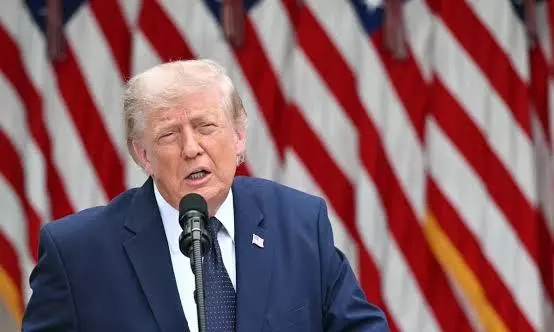
US President Donald Trump has resumed heavy military attacks against Iran even as Pakistan, Türkiye and Qatar continue their all-out mediation efforts to maintain the US-Iran ceasefire and prevent West Asia from being dragged into another war. Despite growing diplomatic attempts, there appears to be little hope of persuading the US president, who gives scant regard for his word or promises, to restore peace. The renewed push for a ceasefire is driven not only by concerns over regional stability but also by the need to end the blockade of the Strait of Hormuz, which has triggered economic disruption and soaring prices across West Asia and other parts of the world. There is little indication that Trump will agree to any compromise, despite mounting domestic criticism and growing public opposition within the United States. Even if one accepts that the President prioritises the interests of Israel, often described as America's fifty-first state, Trump should pause and consider how unwise it is to completely disregard the collective interests of a peace-loving world for the sake of Israel's warmongering Prime Minister Benjamin Netanyahu, a figure who can unhesitatingly be characterised as an international bully or a global rogue leader.
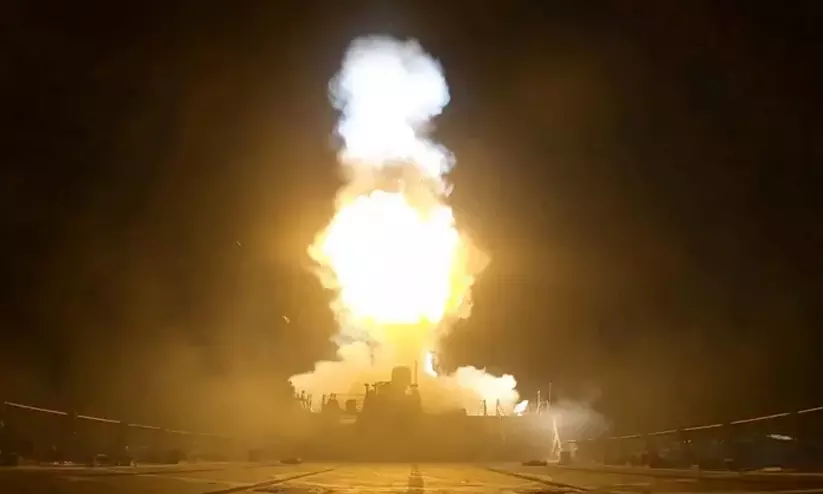
The recent opinion polls in the United States indicate that a majority of Americans believe the US-Israel alliance has failed in its war against Iran. According to official media reports, public opposition to Netanyahu has grown significantly within Israel. The military campaign which began with claims that Iran would be decisively defeated within days, has not achieved its objectives. Instead, Iran has withstood severe challenges and emerged stronger in the eyes of the world. The attendance of official delegations from more than 70 countries at the funeral of Iran's Supreme Leader, Ayatollah Ali Khamenei, who was killed in a US-Israel military operation is a significant event. It should be remembered that Iran's resurgence came despite years of international isolation under UN sanctions. Official delegations from countries considered close US allies, including Saudi Arabia, attended the funeral of Ayatollah Ali Khamenei, which should have come as a surprise to President Donald Trump. Trump's latest military action against Iran may also have been driven by frustration over these developments. However, the countries most immediately affected by the escalation are US allies in the Gulf, including Kuwait, Bahrain, Qatar and the UAE, whose economies depend heavily on oil exports that have been disrupted by the conflict.
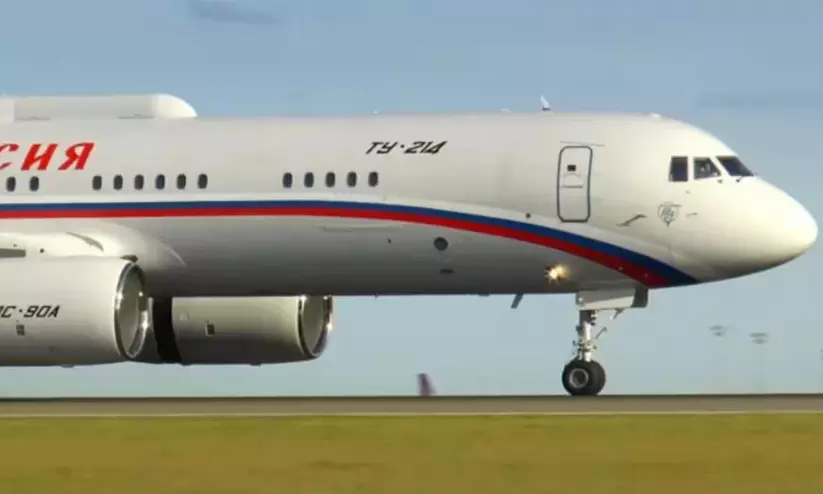
Iran has repeatedly maintained that, while it cannot directly retaliate against the United States, it is targeting US military bases located in neighbouring Gulf countries. Iran has secured both direct and indirect support from Russia and China, and advanced Russian-made military equipment has recently arrived in the country, raising concerns that the conflict could escalate into being even more destructive. Needless to say, mediation efforts by intermediary countries must continue with even greater diligence and urgency at this stage of the conflict. Recent indications from UN and Iranian sources suggesting that the door to negotiations remains open should encourage those diplomatic initiatives. Several European countries, including the United Kingdom, France, Germany and Spain, have refrained from backing the military offensive. While this stance may have angered US President Donald Trump, it is high time that these countries took a more pro-active role in pursuing a permanent ceasefire and a negotiated settlement in the interest of global peace and humanity. India, which maintains a neutral position while expressing support for restoring peace, should use diplomatic channels to push for a complete stoppage of hostilities, particularly in view of the adverse impact the attacks have on commercial shipping and global trade.